

Introduction
The relentless pace of the mobile technology sector often leaves consumers wondering which affordable devices will actually deliver a stable and reliable user experience without breaking the bank. As manufacturers race toward providing the latest flagship features, a significant portion of the global market remains focused on finding a balance between essential functionality and manageable costs. The recent appearance of the Vivo Y05e on several major certification platforms, including the Google Play Console and the Federal Communications Commission database, signals the arrival of a device tailored specifically for this pragmatic demographic.
This article explores the technical details and design philosophy revealed by these leaks to help potential buyers understand where this upcoming model stands in a crowded marketplace. By analyzing data from regulatory listings, the discussion covers hardware specifications, visual aesthetics, and software expectations. Readers can expect to learn how this entry-level smartphone aims to provide value through a combination of efficient processing and long-lasting battery life.
Key Questions or Key Topics Section
What Technical Powerhouse Lies Beneath the Exterior of the New Vivo Y05e?
The Unisoc Tiger T606 chipset serves as the central nervous system for the Vivo Y05e, ensuring that navigation through common applications remains fluid and predictable. While this processor does not support 5G connectivity, its focus on 4G LTE efficiency makes it a logical choice for regions where reliable mobile data is the primary standard for communication. This choice highlights a commitment to providing a consistent user experience without the added expense of high-frequency modems that many users do not yet require.
Furthermore, the decision to use this specific hardware architecture emphasizes a strategic move by Vivo to prioritize affordability and thermal management. The integration of 4GB of RAM and 64GB of internal storage provides a functional foundation for users who rely on their phones for messaging, social media, and basic productivity tasks. By sticking to a proven and cost-effective chipset, the manufacturer ensures that the device remains accessible to a wider audience while still offering a competent level of performance for standard digital activities.
How Does the Visual Presentation and Display Performance Measure Up?
Visual engagement remains a critical factor for any smartphone, even within the entry-level segment where hardware constraints are more prominent. The Vivo Y05e features an HD+ display with a resolution of 720×1,600 pixels and a screen density of 300dpi, providing a crisp enough experience for streaming video and daily browsing. It incorporates a classic water drop-style notch at the top of the screen for the front-facing camera, maximizing the available screen real estate without needing more expensive punch-hole designs.
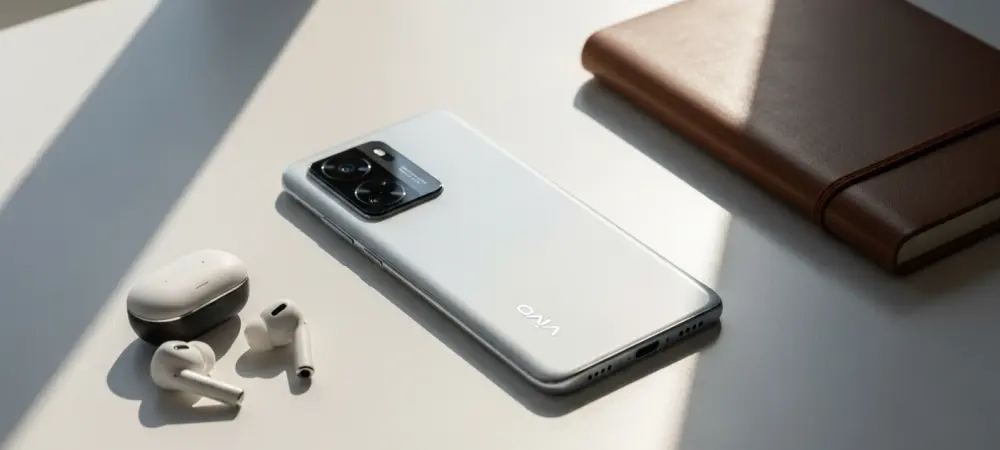
Design renders suggest that the handset adheres to a clean look that aligns with the established visual identity of the Y-series. While it lacks the ultra-thin bezels found on premium models, the structural simplicity often translates to better durability and ease of handling in daily use. This approach toward design reflects an emphasis on functional clarity and physical reliability, which are often valued more by the target market than experimental or overly complex aesthetic features.
Can the Battery Life and Software Longevity Meet Modern User Demands?
The inclusion of a 5,050mAh battery in the Vivo Y05e addresses the need for endurance, offering capacity that should easily last through long periods of activity. However, users should note that the device is limited to 15W wired charging, meaning that refilling the battery will be a deliberate process rather than a rapid burst. This trade-off is common in the budget sector, where total capacity is typically prioritized over the expensive circuitry required for ultra-fast charging speeds. A notable detail from regulatory documentation is the mention of Android 16 as the operating system for this model. Launching with a modern software version is a significant advantage for an entry-level device, as it ensures access to current security protocols and interface refinements. This forward-looking software approach suggests that Vivo intends for the device to remain relevant for an extended period, providing buyers with a sense of longevity that is sometimes missing in cheaper smartphone categories.
Where Does This Device Fit Within the Broader Smartphone Landscape?
The Vivo Y05e appears to occupy a tier slightly below the standard Vivo Y05, which typically boasts a larger 6,500mAh battery and a high-refresh-rate display. By scaling back certain features like the screen refresh rate and the battery size, the Y05e is positioned to hit a more aggressive price point. This makes it a viable alternative for those who find the standard model over-specified or simply prefer a more compact and affordable daily driver. This market positioning allows the brand to cover multiple price brackets within the same series, ensuring there is a specific model for every budget level. While the Y05e lacks the 120Hz smoothness of its more expensive sibling, its core features remain robust enough to satisfy the requirements of a primary mobile device. The trade-offs made in the hardware department highlight an effort to balance essential modern features with the strict financial considerations of the value-conscious shopper.
Summary or Recap
The Vivo Y05e is shaping up to be a dependable entry-level smartphone that avoids unnecessary frills in favor of reliable performance and battery life. With its Unisoc chipset, HD+ display, and the inclusion of the latest Android software, it provides a well-rounded package for users who prioritize utility and cost. The leaked specifications suggest a device that is ready to handle the daily rigors of digital life without the premium price tag. As the launch approaches, the combination of a 5,050mAh battery and modern software remains its most compelling selling point for those seeking a secondary phone or an affordable upgrade.
Conclusion or Final Thoughts
The emergence of these technical details through official certification channels provided a clear window into the future of the Y-series. Industry analysts noted that the balance between hardware and software signaled a shift toward more sustainable budget designs. Potential buyers considered how a large battery and modern operating system might improve their daily connectivity without exceeding their financial limits. Ultimately, the industry looked forward to the official release as a benchmark for what entry-level mobile devices achieved in the current market. These developments suggested that the Y05e was prepared to meet the practical needs of a global audience.