

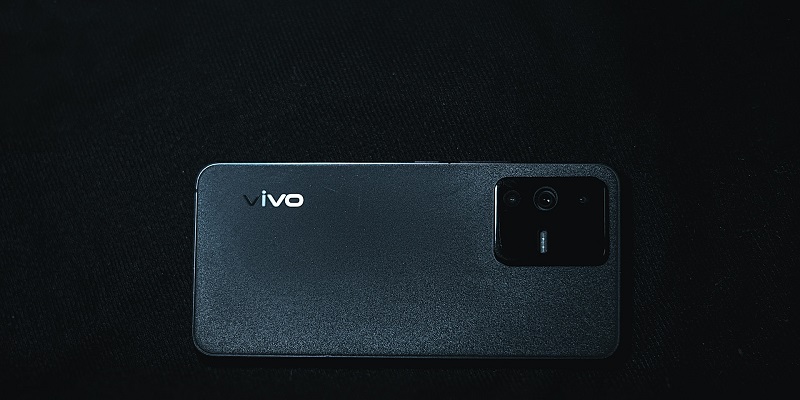
Vivo has been a prominent name in the smartphone industry, known for producing quality devices with innovative features. The Vivo X90 series has been popular among users due to its large display, powerful specifications, and high-quality camera. Vivo is now all set to launch the latest addition to the series, the Vivo X90S. It is expected to retain most of the features of the previous model with only a few minor updates.
The Vivo X90S is expected to be a minor hardware update over the previous version, the Vivo X90. The design philosophy is expected to remain the same, with minor hardware updates. The Vivo X90S will likely have the same curved edges as the previous version, with the same 6.78-inch OLED screen with 1260p resolution. However, we can expect significant updates under the hood.
The new Vivo X90S is expected to come equipped with a Dimensity 9200+ chipset, which will be the only notable change in the hardware. This new chipset is rumored to offer improved performance, faster speed, and better connectivity options than the previous model. The chipset is expected to have a 3.35GHz CPU, which will provide a smooth user experience that is ideal for running multiple applications at once.
Improved Performance with 3.35GHz CPU and Wi-Fi 6 Support
The Dimensity 9200+ chipset’s 3.35GHz CPU will deliver excellent performance, making it ideal for running high-end applications and gaming. Furthermore, rumors suggest that the phone will support Wi-Fi 6, providing faster internet speeds and better connectivity.
Retaining the Same Display Features
The Vivo X90S is expected to retain the same display features as the previous model. This means that we can expect a 6.78-inch OLED screen with curved edges and 1260p resolution. The display is expected to be bright and offer excellent color accuracy, making it perfect for watching movies, playing games and browsing the internet.
The Vivo X90S is expected to have an upgraded camera with a 50MP Sony IMX866 sensor. The camera is expected to take high-quality images, and the phone is rumored to have an excellent video recording feature. The new camera is expected to be a significant improvement over the previous model, making it ideal for photography enthusiasts.
Charging Speed Unchanged at 120W
The charging speed of the Vivo X90S is expected to remain unchanged at 120W. The previous model was known for its fast charging, and this feature is expected to be just as speedy on the Vivo X90S.
Upcoming Move to Dimensity 9300 with Vivo X100 Series
Although the Vivo X90S comes equipped with the Dimensity 9200+ chipset, Vivo is already planning to upgrade to the Dimensity 9300 with its upcoming Vivo X100 series. This new chipset is rumored to offer even better performance than the Dimensity 9200+.
The BOE panel is expected to feature in the upcoming Vivo X90S. This panel is known for its high-quality display and is perfect for watching movies, playing games, and browsing the internet.
Battery Capacity Unknown
The exact battery capacity of the Vivo X90S is currently unknown. However, we can expect the battery life to last around a day with moderate use.
The Vivo X90S is expected to be a minor upgrade over the previous model, retaining many of the same features but with the addition of the Dimensity 9200+ chipset. The upgraded camera and improved performance will make it an excellent choice for photography enthusiasts and power users. Even though there will be no significant changes in terms of hardware, the improved performance and added features make the Vivo X90S a device to watch out for.