

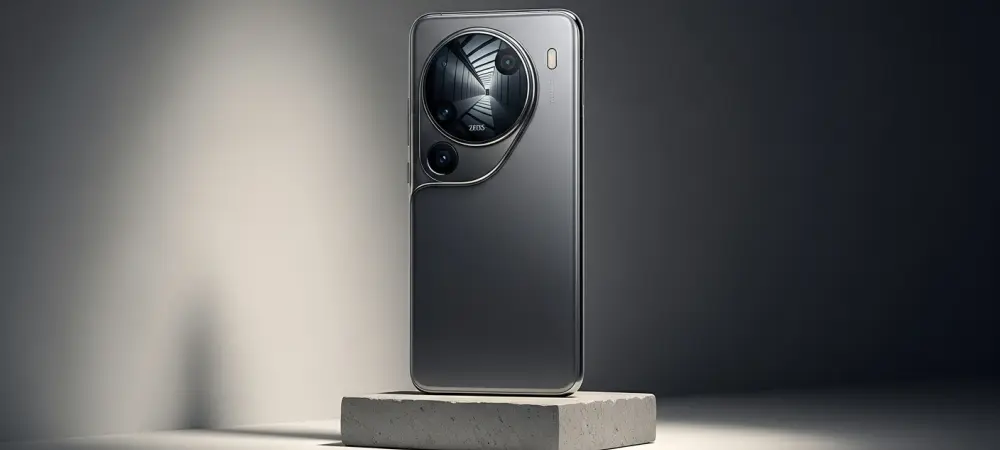
The relentless pursuit of hardware supremacy has reached a new fever pitch as Vivo unveils a device that effectively eliminates the traditional compromise between extreme power and elite photography. Officially confirmed by Product Manager Han Boxiao, the Vivo X300s—a name that finally settles the branding debate following its appearance at the Mobile World Congress—is stepping into the spotlight as the definitive successor to the X200s. This launch is not just about a new model; it is a calculated move to dominate a market where users no longer want to choose between a professional-grade camera and a battery that lasts through multiple days of heavy use.
The Evolution of the Vivo X-Series and Market Context
The transition from the X200s to the X300s reflects a massive shift in how premium manufacturers approach the “s-series” refresh cycle. Historically, these mid-cycle updates were minor, focusing on slight processor bumps or new colorways, but the X300s breaks this pattern by introducing foundational hardware changes. As mobile applications become more resource-heavy, the demand for sustained performance has shifted from a luxury to a requirement. Vivo has recognized that the modern flagship must act as a primary creative tool, leading to a design philosophy that prioritizes raw endurance alongside optical excellence.
This shift is a direct response to the saturation of the high-end segment, where incremental gains no longer excite a sophisticated consumer base. By leaning into silicon-carbon battery technology, Vivo has managed to increase energy density without significantly inflating the phone’s physical footprint. This allows the device to appeal to a broader demographic, from professional photographers who need all-day reliability to mobile gamers who demand high-fidelity experiences without being tethered to a wall outlet.
Redefining Mobile Hardware and Sensory Engagement
Immersive Visuals and Advanced Eye Protection
The centerpiece of the user experience is a 6.78-inch 1.5K OLED display that balances extreme performance with long-term visual health. Utilizing the latest BOE Q10 Plus luminescent material, the screen achieves a 144Hz refresh rate for fluid motion during navigation and gaming. However, the true innovation lies in the “Circular Polarized Light 2.0” technology, which mimics the natural characteristics of sunlight to reduce the digital glare that typically leads to chronic eye fatigue.
Elevating Haptics and Audio for Gaming Excellence
Vivo is clearly targeting the enthusiast gaming sector by significantly upgrading the tactile and auditory dimensions of the X300s. The inclusion of the “1511 War Drum Master” symmetrical dual speaker system represents a 120 percent increase in audio output compared to previous generations, providing a richer soundstage for media consumption. Furthermore, a custom “ultra-sensory” haptic motor provides twice the bandwidth of standard vibration components, ensuring that every interaction within the digital environment feels precise and intentional.
Professional Grade Imaging and Processing Power
To manage the immense data throughput required by its Zeiss-tuned 200-megapixel primary camera, the X300s utilizes the high-performance MediaTek Dimensity 9500+ chipset. This processor is essential for driving the AI-enhanced image pipelines needed for high-resolution photography and periscope telephoto zoom. The integration of such a large sensor with a 7,000mAh battery creates a unique synergy; creators can now engage in intensive 4K video shoots or high-bitrate streaming sessions without the constant anxiety of a rapidly depleting power cell.
Future Shifts in the Premium Smartphone Landscape
The arrival of the X300s signals an industry-wide move toward “ultra-endurance” flagships where the 5,000mAh standard is quickly becoming obsolete. As 5G networks and generative AI features consume more power, manufacturers are being forced to innovate in battery chemistry to maintain usability. We are likely to see a ripple effect where competitors must choose between adopting similar high-density cells or falling behind in the race for consumer mindshare.
Moreover, the focus on sensory wellness and haptic fidelity suggests that the next generation of competition will move beyond simple benchmarks. The emphasis is shifting toward how a phone feels during extended use, rather than just how fast it can open an application. This trend points toward a future where “human-centric” hardware—displays that protect vision and audio that replaces the need for external speakers—becomes the primary differentiator in the luxury market.
Strategic Implications for Tech Enthusiasts and Consumers
For those looking to invest in a long-term mobile companion, the X300s represents a paradigm shift in value. The primary takeaway for consumers is the emergence of the “Power Flagship,” which provides the longevity of a rugged device within the sleek body of a premium phone. When evaluating upcoming releases, buyers should prioritize devices that offer intelligent refresh rate scaling and advanced eye-care technology, as these features directly impact the daily quality of life over a multi-year ownership cycle.
As this device prepares for its market debut, it serves as a recommendation for those who prioritize a “do-it-all” tool. The combination of a massive battery and a high-resolution camera system essentially replaces several pieces of hardware—dedicated cameras, power banks, and even portable gaming consoles—into one cohesive unit. Staying ahead of these trends means looking for hardware that solves the core problem of modern mobility: the need for constant, uncompromised connectivity.
A New Frontier for Vivo
The development of the X300s proved that the boundaries of mobile engineering were more flexible than previously thought. By successfully merging a massive 7,000mAh battery with a top-tier 200MP imaging system, the manufacturer established a new blueprint for the high-end segment. This move addressed the most persistent complaints of the digital age, specifically battery anxiety and the physical toll of screen time. As the market moved forward, this device stood as a milestone that shifted consumer expectations toward a world where extreme performance and lasting endurance were no longer mutually exclusive.