

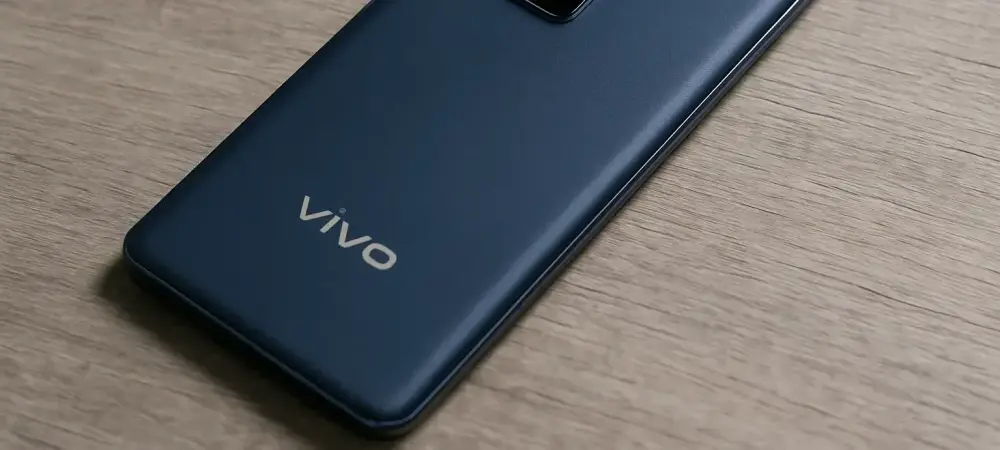
I’m thrilled to sit down with Dominic Jainy, an IT professional whose deep expertise in cutting-edge technologies like artificial intelligence, machine learning, and blockchain gives him a unique perspective on the smartphone industry. With a passion for exploring how tech transforms industries, Dominic is the perfect guide to help us unpack the latest rumors surrounding the anticipated Vivo X300 FE and OnePlus 15s launches in India. In our conversation, we dive into the standout features of these compact devices, from powerful chipsets and advanced camera systems to durability ratings and high-refresh-rate displays, while exploring how these innovations could shape user experiences in a competitive market.
Can you share your thoughts on the Vivo X300 FE, rumored to feature a 6.3-inch OLED display and Snapdragon 8 Gen 5 chipset? What makes this compact phone a potential game-changer in today’s market?
I’m genuinely excited about the Vivo X300 FE, especially with that 6.3-inch OLED display paired with the upcoming Snapdragon 8 Gen 5 chipset, which is set to be unveiled on November 26. Compact phones are making a comeback as users crave devices that fit comfortably in hand without sacrificing power, and Vivo seems to be tapping into that trend beautifully. Historically, Vivo’s compact designs have been well-received for their balance of portability and performance—think back to some of their earlier X-series models that won over users who didn’t want a massive slab in their pocket. The Snapdragon 8 Gen 5, built on cutting-edge architecture, should deliver blazing-fast app launches, seamless multitasking, and even better energy efficiency. In real-world use, imagine editing high-res photos or running intensive games without a hint of lag—it’s the kind of performance that could make this phone a go-to for creators and gamers alike who don’t want to lug around a phablet.
The OnePlus 15s is rumored to come with a Snapdragon 8 Elite Gen 5 chipset and a massive 7,000mAh battery. How do you see these specs transforming the experience for power users?
Oh, the OnePlus 15s sounds like a beast with that Snapdragon 8 Elite Gen 5 chipset and a whopping 7,000mAh battery! For power users—those who are constantly streaming, gaming, or working on the go—this combo is a dream. The chipset, built on a 3nm process, promises top-tier performance with better heat management, which means you can push the phone to its limits without it feeling like a hot brick in your hand. And that battery? It’s a game-changer. I remember testing a device with a similarly large battery a couple of years back, and I went two full days of heavy use—think 4K video playback and hours of navigation—without needing a charge. For someone like a content creator filming in the field or a professional juggling endless calls and apps, this could mean not stressing about finding an outlet. It’s the kind of endurance that turns a phone into a reliable companion rather than a liability.
Both the Vivo X300 FE and OnePlus 15s are tipped to feature triple rear camera setups with 50-megapixel main shooters. How do you think these systems will stack up against other flagships, and what role do the telephoto and ultrawide lenses play?
I’m intrigued by the camera setups on both the Vivo X300 FE and OnePlus 15s, especially with those 50-megapixel main shooters leading the charge. These sensors, if tuned well, could rival other flagships in capturing crisp, vibrant shots, even in tricky lighting—think dusk or dimly lit cafes. Compared to some top-tier phones, the resolution and sensor size here suggest they’ll hold their own for everyday photography and even some pro-level work. The telephoto lens on the Vivo, with its 3x zoom, is perfect for portrait shots or distant subjects, like capturing a bird in a tree without losing detail. The ultrawide, present on both phones, opens up creative possibilities for landscapes or group shots, letting you squeeze more into the frame without stepping back. I recall a trip where I used a similar setup to photograph a sprawling market scene— the ultrawide captured the chaotic energy perfectly, while the telephoto let me zoom in on a vendor’s expressive face. It’s this versatility that can turn a good photo into a story, and I’m eager to see how these phones execute it.
With an IP69 rating for dust and water resistance on both devices, how important is this feature for smartphone users in India, and what are some practical benefits?
The IP69 rating on the Vivo X300 FE and OnePlus 15s is a fantastic addition, especially for users in India where conditions can be unpredictable. Between monsoon rains, dusty streets, and the occasional accidental drop in water, this level of protection—which can withstand high-pressure water jets and complete dust ingress—is more than just a nice-to-have; it’s a lifesaver. Practically, imagine you’re out during a sudden downpour, navigating with your phone exposed—it keeps working without a hiccup. Or say you’re at a beach, sand everywhere, and you drop your device; you just brush it off and keep going. I’ve seen phones fail in less extreme scenarios—like a friend’s device dying after a splash during a festival—and it’s frustrating to lose functionality over something avoidable. This rating, paired with a metal frame, gives peace of mind that your investment won’t crumble under daily wear and tear, especially in India’s diverse environments.
The OnePlus 15s is said to feature a 165Hz refresh rate display. How do you envision this impacting gaming and streaming, and what technical advantages does it bring?
A 165Hz refresh rate on the OnePlus 15s is just mouthwatering for anyone into gaming or streaming. This means the screen refreshes 165 times per second, delivering buttery-smooth visuals that make every swipe, animation, or fast-paced game feel incredibly fluid. For gamers, especially in competitive titles like battle royales, this can be the edge you need—think spotting an enemy’s movement a split-second faster than on a 60Hz or even 120Hz screen. For streaming, scrolling through feeds or watching action-packed scenes feels more immersive, almost like the screen is alive. I remember trying a high-refresh-rate device for the first time a few years ago, and the difference was night and day—playing a racing game felt like I was actually steering through turns, with no blur or stutter. Technically, compared to a standard 60Hz display, you’re getting nearly three times the frame updates, which drastically cuts down on motion blur and input lag. It’s the kind of feature that, once you experience it, makes going back to lower rates feel sluggish.
What is your forecast for the future of compact smartphones like the Vivo X300 FE and OnePlus 15s in the Indian market?
Looking ahead, I’m incredibly optimistic about the future of compact smartphones like the Vivo X300 FE and OnePlus 15s in India. With their blend of high-end specs—think powerful chipsets like the Snapdragon 8 series and features like 165Hz displays—in smaller, more manageable form factors, they’re addressing a growing demand for premium yet pocket-friendly devices. I believe we’ll see a surge in adoption among younger users and professionals who want flagship performance without the bulk, especially as multitasking and on-the-go lifestyles become the norm. There’s also a cultural fit here; in bustling Indian cities, where space is tight and portability matters, these phones could become the default choice over larger models. My forecast is that within the next couple of years, compact flagships will carve out a significant niche, pushing manufacturers to innovate further in this space. It’s an exciting time, and I wouldn’t be surprised if these devices set a new standard for what a smartphone should feel like in your hand.