

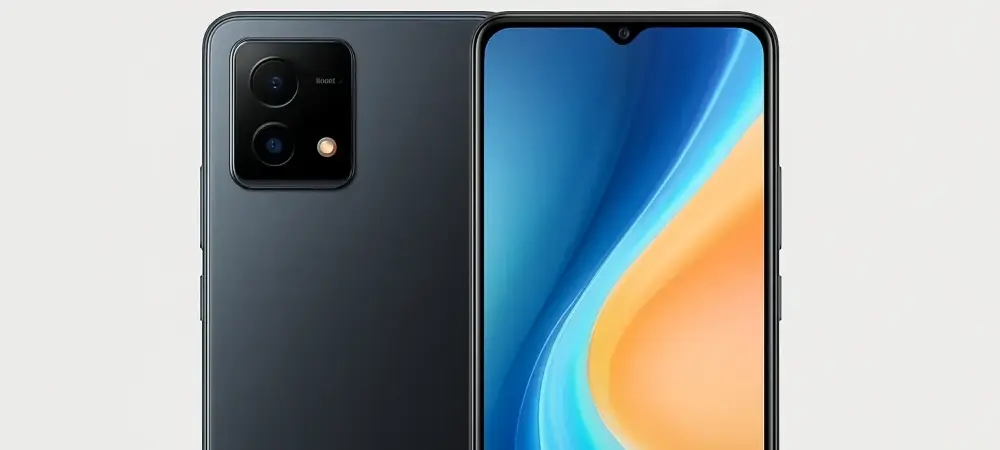
What if a smartphone could match the demands of a hectic lifestyle while staying within budget? Imagine a device that charges in a flash, displays stunning visuals, and lasts through endless streaming sessions—all without the flagship price tag. The Vivo V60 Lite 5G, recently launched in Taiwan, emerges as a compelling answer to this scenario. With features like 90W fast charging and a vibrant AMOLED display, this mid-range contender is capturing attention and redefining expectations for affordable innovation.
Why This Smartphone Matters in Today’s Market
In an era where technology evolves at lightning speed, consumers crave devices that balance performance with affordability. The Vivo V60 Lite 5G steps into this space as a game-changer, offering flagship-level specs at a price point starting at TWD 12,990 (approximately USD 400). Its release in Taiwan signals Vivo’s commitment to meeting the needs of tech-savvy users who demand 5G connectivity, long battery life, and immersive displays without draining their wallets. This device isn’t just another phone; it’s a statement about making advanced tech accessible to a broader audience.
The significance of this launch extends beyond individual users. Industry trends show a growing shift toward mid-range smartphones, with market research indicating that over 60% of global smartphone sales in recent years fall into this category. Vivo’s latest offering taps into this demand, positioning itself as a leader in a competitive segment where value and innovation must coexist. It’s a timely response to the evolving needs of a digital-first world.
Diving into Standout Features of This Device
The Vivo V60 Lite 5G packs a punch with hardware that rivals higher-end models. At its core lies the MediaTek Dimensity 7360 Turbo chipset, paired with up to 12GB of LPDDR4x RAM and 256GB of UFS 3.1 storage, ensuring smooth multitasking even under heavy loads. Running on Android 15 with Funtouch OS 15, the software experience feels modern and intuitive, catering to users who juggle multiple apps daily.
Visually, the device shines with a 6.77-inch full-HD+ AMOLED display, boasting a 120Hz refresh rate and a 94.20% screen-to-body ratio. Whether streaming movies or playing fast-paced games, the screen delivers crisp, vibrant colors that elevate every interaction. Add to that a dual rear camera setup—featuring a 50-megapixel Sony IMX882 primary sensor and an 8-megapixel ultra-wide lens—alongside a 32-megapixel front camera, and photography enthusiasts have plenty to explore.
Durability and power further define this smartphone. With a massive 6,500mAh battery supported by 90W fast charging, it promises up to 27.5 hours of YouTube playback on a single charge. An IP65 rating for dust and water resistance, combined with passing the SGS five-star drop test, ensures it withstands daily challenges while maintaining a sleek 7.59mm-thick design weighing just 194 grams. These elements make it a reliable companion for any lifestyle.
Voices from the Field: What Experts and Users Say
Industry analysts have taken notice of Vivo’s bold move with this model. A prominent tech reviewer remarked, “At around USD 400, the 90W charging and AMOLED display on this phone challenge even some premium devices—it’s a steal for the mid-range segment.” Available in striking shades like Ocean Night Black, Titanium Mist Blue, and Vitality Pink, the smartphone’s aesthetic appeal matches its technical prowess, drawing early praise in Taiwan.
User feedback from the initial rollout paints a vivid picture of satisfaction. Many have highlighted the battery life as a standout, with one early adopter noting, “I can go through a full day of heavy use—streaming, calls, navigation—and still have power left. It’s a game-changer.” Such responses underscore how the device meets real-world needs, especially for those constantly on the move. Connectivity options like Wi-Fi 6 and Bluetooth 5.4 only add to its practicality, ensuring seamless integration into modern digital routines.
How This Smartphone Fits into the Competitive Landscape
Positioned between TWD 12,990 for the 8GB RAM variant and TWD 13,990 for the 12GB RAM model, this device squares off against other mid-range heavyweights. Its blend of high-speed charging and robust build sets a benchmark that competitors must now match. In Taiwan, where consumers prioritize both style and substance, the phone’s color options and durability features resonate strongly with local tastes.
Beyond specs, the broader market context reveals why this release matters. As 5G adoption accelerates—projected to cover over 80% of smartphone users by 2027—devices like this one bridge the gap for those upgrading from older models. Vivo’s strategy of embedding cutting-edge features into accessible price points reflects a wider industry push toward democratizing technology, ensuring more people can stay connected without compromise.
Practical Ways to Maximize This Device’s Potential
Unlocking the full value of this smartphone starts with smart usage habits. To extend the impressive 6,500mAh battery life, users can activate power-saving modes during lighter tasks and rely on the 90W charger for rapid boosts when time is tight. Such strategies ensure the device keeps pace with demanding schedules without frequent plug-ins.
For an optimal viewing experience, tweaking the 120Hz AMOLED display settings can balance performance with efficiency, especially during extended gaming or streaming sessions on platforms like YouTube. Meanwhile, the camera system invites creativity—experimenting with the 50-megapixel main sensor for detailed shots or the ultra-wide lens for expansive landscapes can yield stunning results. The 32-megapixel front camera also shines for sharp selfies or clear video calls, making every moment shareable.
Looking back, the launch of the Vivo V60 Lite 5G stood as a defining moment for mid-range smartphones, proving that high-end features could thrive at accessible price points. Its powerful hardware, exceptional battery life, and durable design left a lasting mark on users in Taiwan. Moving forward, the challenge lies in how Vivo and its competitors will build on this foundation—can future models push affordability and innovation even further? Consumers are encouraged to explore this device firsthand, testing its capabilities against personal needs, and stay tuned for how the mid-range segment evolves in response to such bold strides.