

I’m thrilled to sit down with Dominic Jainy, a seasoned IT professional whose deep knowledge of cutting-edge technologies like artificial intelligence, machine learning, and blockchain brings a unique perspective to the smartphone industry. With a keen interest in how tech innovations shape various sectors, Dominic is the perfect person to dive into the latest rumors and developments surrounding the Vivo S50 series. In this conversation, we’ll explore the anticipated launch timeline, model lineup, design features, and technological advancements of this upcoming series, as well as how it positions itself in a competitive market.
What can you tell us about the buzz surrounding the Vivo S50 series launch in China?
I’ve been following the chatter closely, and it seems the Vivo S50 series is gearing up for a debut in China pretty soon, possibly within the next few weeks. While no exact date has been confirmed, the timing aligns with industry patterns of major releases happening toward the end of the month or early next. This launch follows the global rollout of the Vivo X300 series, so it’s clear the company is keeping the momentum going.
How does the lineup for the Vivo S50 series look based on the latest information?
From what I’ve gathered, the series is expected to include at least two models: the standard Vivo S50 and a compact version called the Vivo S50 Pro Mini. This follows the pattern of their predecessors, the S30 and S30 Pro Mini, which launched earlier. It’s a smart move to cater to different user preferences with a standard and a smaller, yet powerful, option. I haven’t seen solid evidence of additional models yet, but Vivo often surprises us, so I wouldn’t rule it out.
There’s been talk of two Vivo devices receiving radio certification in China. Can you explain what that means for this series?
Yes, two model numbers, V2527A and V2528A, have reportedly popped up on China’s State Radio Regulation website, and they’re widely believed to be tied to the S50 series. This certification is a key step before a device can be sold, as it ensures compliance with radio frequency standards. It’s a strong indicator that the launch is imminent, likely within the next month, as companies typically secure this approval close to their release timeline.
In a crowded market with competitors like the Oppo Reno 15 and Honor 500, what might give the Vivo S50 series an edge?
The smartphone market in China is incredibly competitive, and Vivo seems to be positioning the S50 series as a strong contender with a mix of design and tech innovation. Rumors point to high-end displays and powerful chipsets, which could appeal to users looking for premium performance. Additionally, features like advanced camera systems with periscope telephoto lenses could set it apart for photography enthusiasts. It’s all about striking a balance between cutting-edge specs and a price point that undercuts some flagship rivals.
Let’s dive into the software side. What are your thoughts on the operating system expected for the S50 series?
The word is that both models in the S50 series will run on Android 16 with Vivo’s custom OriginOS 6 overlay. This combo promises a fresh, optimized user experience with enhanced customization and performance tweaks. Compared to earlier versions of OriginOS, I expect smoother animations, better battery management, and more intuitive AI-driven features. It’s a significant upgrade that could make daily interactions with the device feel more seamless.
Rumors are swirling about the display on the standard Vivo S50. Can you share what you’ve heard?
I’ve come across reports suggesting the standard Vivo S50 will sport a 6.59-inch flat OLED display with a 1.5K resolution. If true, that’s a solid choice for clarity and color accuracy, especially for media consumption and gaming. Compared to previous Vivo models, this seems like a step up in terms of sharpness, and the flat design might appeal to users who prefer a more traditional screen over curved edges.
What insights can you offer about the design elements of the Vivo S50 series?
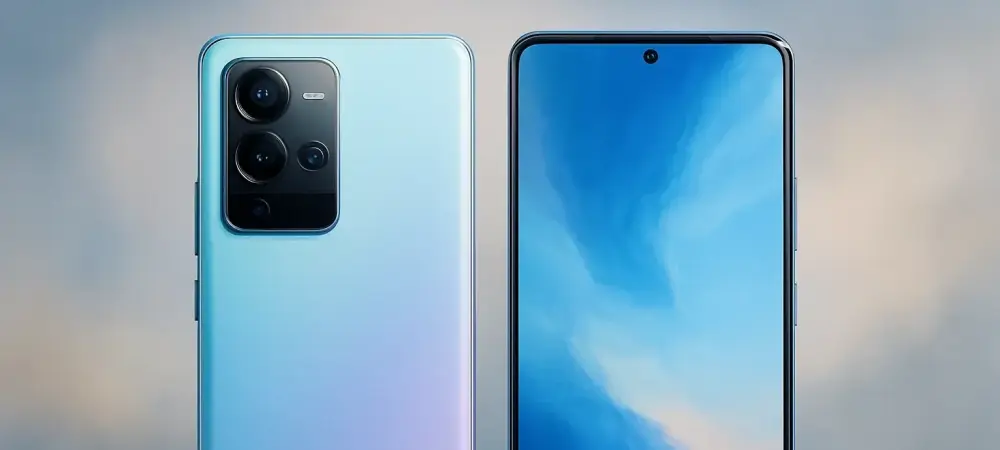
Design-wise, there’s talk of a sleek metal middle frame for the standard S50, which would give it a premium look and feel. This kind of build not only enhances the aesthetic but also adds to the durability, making the phone sturdier against everyday wear and tear. It’s a subtle but impactful choice that could elevate the device’s appeal, especially for users who value a high-end, polished design.
Can you elaborate on the camera technology rumored for the S50 series?
One of the most exciting rumors is the inclusion of a triple rear camera setup on both models, featuring a periscope telephoto lens. This kind of lens allows for impressive zoom capabilities without sacrificing image quality, which could be a game-changer for mobile photography. It’s a feature often reserved for flagship devices, so seeing it in the S50 series suggests Vivo is aiming to punch above its weight class in terms of camera performance.
What is your forecast for the impact of the Vivo S50 series on the smartphone market?
I think the Vivo S50 series has the potential to shake things up, especially in the mid-to-premium segment in China. With competitors launching around the same time, Vivo’s focus on powerful hardware, like the rumored Snapdragon chipsets, and innovative features, like the periscope lens, could carve out a loyal user base. My forecast is that if Vivo prices this series competitively, it could challenge bigger players and influence trends toward more advanced camera tech and compact yet powerful designs in the coming year.