

Introduction
The impending arrival of the Vivo S2 FE in the competitive Indian smartphone market signals a radical shift in how manufacturers prioritize battery longevity and rugged hardware for the modern consumer. This device represents a strategic pivot toward a high-capacity mid-range segment that has long been underserved by major global brands. By scheduling the official launch for October 6 at noon, the company is positioning itself to capture the attention of a wide demographic looking for a reliable daily driver. This move comes at a time when users are increasingly frustrated with the frequent charging cycles required by standard flagship devices.
The following exploration examines the intricate details of the handset, answering pressing questions about its technical specifications and market position. Readers can expect a comprehensive breakdown of why this launch matters and what to anticipate from the hardware as it lands on major e-commerce platforms. The scope of this discussion covers everything from industrial design choices to the sophisticated internal cooling and processing systems. It aims to provide clarity for potential buyers who are navigating a saturated marketplace filled with iterative updates rather than meaningful innovations.
Key Questions or Key Topics Section
What Makes the Design of the Vivo S2 FE Unique Compared to Its Predecessors?
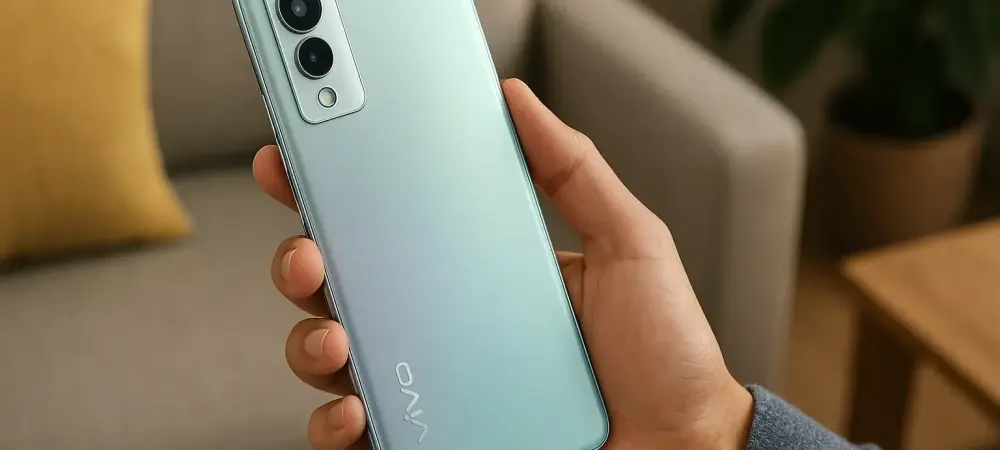
The aesthetic evolution of this series indicates a move away from the delicate curves of previous years toward a more robust, industrial language. Choosing a flat rear panel reflects a broader industry trend that favors durability and a more secure grip over pure visual flair. Initial promotional materials reveal a striking green colorway that highlights a square camera module on the upper left, giving the phone a balanced yet modern appearance. This change suggests that the manufacturer is targeting users who value a functional design that can withstand the rigors of daily use without sacrificing style.
The ergonomic layout has been streamlined to ensure ease of use for a variety of hand sizes. By placing all physical controls on the right side of the frame, the design maintains a clean silhouette while keeping essential functions within easy reach. This configuration allows for a more intuitive interaction, especially when handling the device with one hand during a commute or while multitasking. The shift from the older S2 Pro branding to the S2 FE model implies a new identity for the series, one that emphasizes the practical needs of an audience desiring premium features in a more accessible package.
How Does the Massive Battery and Display Technology Impact Daily Performance?
Longevity has become a primary concern for smartphone users who rely on their devices for work, entertainment, and navigation throughout the day. The inclusion of a 10,000mAh battery is a monumental leap in the mid-range category, potentially offering multiple days of use on a single charge. Such a high capacity ensures that even the most demanding power users can go about their routines without the constant anxiety of finding a power outlet. This focus on endurance serves as a significant differentiator in a crowded market where most competitors struggle to exceed a standard one-day cycle. Complementing this massive power source is a 6.83-inch 1.5K AMOLED display that provides an immersive visual experience. The screen supports a 120Hz refresh rate, which translates to fluid animations and a highly responsive touch interface for gaming and browsing. Whether scrolling through social media feeds or playing high-resolution videos, the clarity and color accuracy of the AMOLED panel enhance every interaction. By combining a top-tier display with an unprecedented battery size, the manufacturer is creating a hardware synergy that prioritizes the visual and operational needs of the modern consumer.
What Internal Hardware and Software Drive the User Experience?
Under the hood, the device is powered by the MediaTek Dimensity 7300e 5G chipset, which is engineered for efficient multitasking and fast connectivity. This octa-core processor is designed to balance raw performance with power conservation, making it an ideal partner for the high-capacity battery. The base configuration includes 6GB of LPDDR4x RAM and 128GB of UFS 3.1 storage, providing sufficient speed for modern applications and ample space for media. This hardware combination ensures that the phone remains snappy and reliable during intensive tasks, from gaming to high-definition video streaming.
On the software side, the handset will run the OriginOS skin, which is known for its deep customization options and intuitive layout. This operating system integrates seamlessly with the 5G capabilities of the chipset to offer a fast and connected user journey across various network environments. While the specific software version remains a point of discussion, the integration of AI-driven optimizations is expected to improve battery management and camera performance. This holistic approach to software and hardware integration aims to deliver a refined experience that satisfies both tech enthusiasts and general users looking for a stable platform.
Is the Pricing and Durability Level Competitive for the Indian Market?
Market entry for the device involves a strategic balance between high-end specifications and accessible pricing. While the box price has been indicated at around Rs. 39,999, the final retail price is expected to be more aggressive to compete with established rivals in the sub-forty-thousand segment. This pricing strategy allows the brand to capture the upper-mid-range market while offering features that are typically found in much more expensive flagship models. The perceived value is high, especially when considering the robust build quality and the extensive battery life that few other phones in this price bracket can match. Durability is another area where this phone stands out, boasting both IP68 and IP69 ratings for water and dust resistance. This level of protection means the device can survive being submerged in water and resist high-pressure jets, making it suitable for users with active lifestyles or those working in demanding environments. This emphasis on environmental resistance, combined with a 50-megapixel primary camera, makes the handset a versatile tool for various conditions. It addresses the growing demand for smartphones that are not just smart, but also tough enough to handle accidental spills and harsh weather.
Summary or Recap
The release of the Vivo S2 FE marks a significant moment for the Indian mobile landscape as it introduces a device that bridges the gap between mid-range pricing and flagship-level durability. With its 10,000mAh battery and Dimensity 7300e processor, the phone addresses the dual needs of high performance and long-lasting power. The move to a flat AMOLED display and a more industrial design aesthetic signals a fresh direction for the series, one that prioritizes practical utility and user comfort. These features, along with the high IP ratings, make it a compelling choice for anyone seeking a resilient smartphone that does not compromise on modern technology.
Integrating this device into the Flipkart ecosystem ensures that it reaches a wide audience across the country. The combination of high-speed 5G connectivity and a sophisticated camera system provides a well-rounded experience for social media users and professionals alike. As the market continues to shift toward devices that offer better longevity, this model stands as a testament to the brand’s ability to innovate based on consumer feedback. For further exploration of the latest smartphone trends or a deeper dive into the Dimensity architecture, users can look to official technical reviews and e-commerce product pages.
Conclusion or Final Thoughts
The decision to launch this powerful device alongside the V80 series reflected a clear intent to dominate multiple market sectors simultaneously. It was evident that the focus on extreme battery capacity and environmental protection provided a concrete solution to the common frustrations of modern mobile users. As the landscape continued to evolve throughout the year, this specific model served as a benchmark for what a value-oriented smartphone could achieve. It encouraged other manufacturers to look beyond standard specs and consider the long-term reliability that consumers truly valued in their daily lives.
Moving forward, the success of this handset highlighted the importance of balancing aesthetic appeal with rugged functionality. Consumers demonstrated a clear preference for devices that could keep up with their busy schedules without requiring a charger by mid-afternoon. This launch effectively bridged the gap between the premium and mid-tier markets, proving that high-end protection and battery life were no longer exclusive to the most expensive hardware. It paved the way for a new generation of mobile technology that prioritized the user’s peace of mind as much as the device’s processing power.