

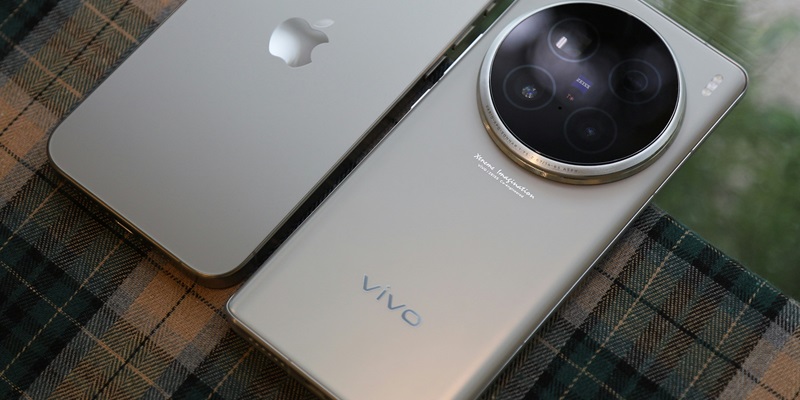
Powered by the state-of-the-art MediaTek Dimensity 9400 chipset, the Vivo X200 Pro stands out with its 3 nm-based processor, promising remarkable speeds and efficiency. This processor supports high-end features, ensuring that the device can handle demanding applications and multitasking with ease. The X200 Pro’s 6.78-inch LTPO AMOLED display further enhances user interactions. Offering a resolution of 2800 x 1260 pixels, this display delivers crystal clear visuals, ensuring an immersive viewing experience whether users are gaming, watching videos, or browsing the web. The 120 Hz refresh rate coupled with a peak brightness of up to 4500 nits ensures the screen remains vibrant and easy to read under any lighting condition. The combination of these display features elevates the user experience to unprecedented heights.
In addition to its robust hardware specifications, the Vivo X200 Pro also features an impressive 16 GB of RAM with 512 GB of internal storage. These generous specifications promise seamless performance, even for the most intensive tasks and applications. Running on Android 15-based Funtouch OS 15, the device offers an intuitive and user-friendly interface. Users can also rest assured about the longevity of their operating system, as Vivo has committed to providing four years of Android version updates and five years of security patches. This ensures that the X200 Pro remains secure and up-to-date throughout its lifespan, further adding to its value proposition.
Comprehensive Camera System
Triple Rear Camera Setup and Front Camera
The Vivo X200 Pro is engineered to capture stunning photographs, boasting an advanced triple rear camera setup that makes it a formidable contender in the smartphone photography space. The centerpiece is a 50 MP Zeiss True Color main camera, designed to deliver outstanding image clarity and color accuracy. Accompanying this is a 50 MP ultra-wide-angle camera, which allows users to capture expansive landscapes and group shots without compromising on detail. The star of the lineup, however, is the 200 MP Zeiss APO telephoto lens, providing a remarkable 3.7x optical zoom.
Complementing the rear camera setup is the in-house Vivo V3+ imaging chip, which works to enhance image processing and overall camera performance. For selfie enthusiasts, the X200 Pro includes a 32 MP front camera, ensuring high-quality self-portraits and video calls. This front camera, coupled with advanced image processing, promises impressive results in diverse lighting conditions. Overall, the integrated camera technologies position the Vivo X200 Pro as an excellent choice for users seeking professional-grade photography capabilities in a smartphone.
Battery Life and Charging Capabilities
Another area where the Vivo X200 Pro excels is its battery life, equipped with a massive 6,000 mAh battery. This capacity ensures that users can enjoy extended usage without frequent recharges, making it ideal for heavy users and those always on the go. The battery supports 90 W wired charging and 30 W wireless charging, facilitating quick power-ups and eliminating long wait times. In addition to this impressive charging speed, the X200 Pro’s battery life management further optimizes performance, ensuring users get the most out of each charge cycle.
Adding to its durability, the Vivo X200 Pro has an IP68 and IP69 rating for water and dust resistance. This means that the smartphone can withstand submersion in water and still function correctly. This rugged build makes the X200 Pro a reliable companion for users who demand resilience from their devices. Combining formidable camera features with extended battery life and robust construction, the Vivo X200 Pro stands out as a comprehensive package for tech enthusiasts.
Variations in the Vivo X200 Series
Standard Vivo X200 Model Specifications
The standard Vivo X200 model offers consumers a more compact and slightly varied version of its Pro counterpart, catering to different user preferences while retaining powerful performance. It carries a smaller 6.67-inch AMOLED display but incorporates the same MediaTek Dimensity 9400 chipset as the Pro, ensuring consistent high-level performance across tasks. Despite its smaller size, the X200 maintains a crisp display quality that is satisfying for everyday use. The 5,800 mAh battery in the standard X200, although smaller than the Pro version, still supports fast 90 W wired charging, ensuring that users quickly get back to their activities without long interruptions.
When it comes to photography, the standard Vivo X200 model does not fall significantly short of the Pro. It features a rear camera setup with three 50 MP sensors for primary, telephoto, and ultra-wide capabilities. This triad of high-resolution sensors ensures that even the non-Pro version provides versatile and impressive photo capabilities. Users can expect detailed and vibrant photos, whether capturing vast landscapes or zoomed-in shots.
Market Positioning and Pricing
Marking a notable milestone, Vivo has officially launched the eagerly awaited Vivo X200 Pro in the Indian market, unveiling the highly anticipated Vivo X200 series. With this series, Vivo is aiming to transform what consumers expect from a premium smartphone experience. The company has put a strong emphasis on camera-centric innovations, integrating cutting-edge technology to meet the increasing consumer demand for outstanding photographic capabilities. This focus on superior camera features is paired with robust overall performance, ensuring that users get a comprehensive, high-quality experience. By concentrating on these key areas, Vivo demonstrates its commitment to redefining the premium smartphone landscape, reflecting an understanding of the modern consumer’s desire for both exceptional camera quality and powerful device performance. The Vivo X200 Pro thus becomes not just a device, but a statement of Vivo’s intention to lead in the rapidly evolving smartphone market, emphasizing their advancement and innovation in mobile technology.