

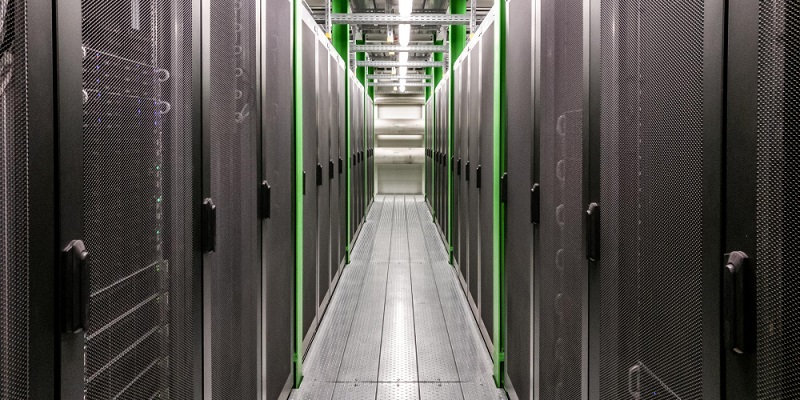
Virtus Data Centres, one of the UK’s leading data centre providers, has announced its plans for its first data centre campus in continental Europe, Virtus Berlin1. This new facility will be located in Marienpark, Berlin and is set to be operational by 2026. The move marks a significant moment for Virtus as it looks to expand its operations across Europe and meet the ever-growing demand for data centres.
Location and Operational Timeline
The new Virtus Berlin1 campus will be situated in Marienpark, which is quickly developing into a hub for emerging technologies. The park is home to some of the biggest names in the tech industry, such as Microsoft and Tesla, making it an ideal location for Virtus’ latest venture.
Virtus has set an ambitious timeline for the construction, with an expected operational date of 2026. Despite this being six years away, Virtus has made it clear that it is more than ready to take on the challenge and deliver a state-of-the-art data center to the German capital.
Virtus Berlin1 will be one of the largest data center campuses in Europe upon completion. The campus will consist of four buildings, with a minimum of 90 MVA of incoming power, providing customers with high levels of resilience and flexibility when it comes to hosting their critical data.
The four buildings will be designed to meet the most demanding industry standards, offering a range of services and solutions to meet the needs of enterprises of all sizes. The site is set to have a total capacity of over 40MW, making it an essential player in Berlin’s digital landscape.
Services offered
Virtus Berlin1 will offer a range of hosting and cloud services for hyperscale, government, and enterprise customers. Hyperscale customers can take advantage of Virtus’s scalable infrastructure, while government entities can benefit from Virtus’s secure and compliant solutions. Enterprise customers, meanwhile, can choose from a range of flexible solutions tailored to fit their specific needs.
Virtus is committed to providing customers with a superior level of service, and the new Berlin campus is no exception. With 24/7 support and an experienced team of engineers, customers can rest assured that their critical data will be in safe hands.
Development partnership
To realize its ambitious goals for Virtus Berlin1, Virtus has partnered with Investa, a real estate development company with over 20 years of experience in international data center development. The partnership will bring together Virtus’ innovation and expertise with Investa’s proven track record of delivering high-quality, reliable data center solutions.
Investa is contributing valuable expertise to the project, ensuring that the new Virtus Berlin1 campus delivers maximum value to customers in terms of efficiency, reliability, and security.
Expansion plans
Virtus Berlin1 is part of Virtus’ broader European expansion plans. With data usage increasing exponentially, Virtus is committed to delivering high-quality data center services to customers throughout the continent. The expansion aims to meet the growing demand for data centers in Europe and provide businesses with the capacity they need to grow and succeed in the digital age.
Waste Heat Distribution
One of the most exciting features of Virtus Berlin1 is its connection to the waste heat distribution system provided by Marienpark. This innovative system is designed to capture waste heat generated by data centers and redirect it to nearby homes and businesses, providing a sustainable source of heat and energy.
The announcement of Virtus Berlin1 marks an exciting development for Virtus Data Centres and the data centre industry as a whole. With the new campus set to be located in Marienpark, Berlin, customers can expect the highest levels of reliability, scalability, and security.
Virtus Berlin1 will be one of the largest data center campuses in Europe upon completion, offering a range of services and solutions to meet the needs of hyperscale, government, and enterprise customers. The partnership with Investa ensures that the campus delivers maximum value to customers in terms of efficiency, reliability, and security while Virtus’ wider expansion plans will help meet the increasing demand for data centers across the continent.