

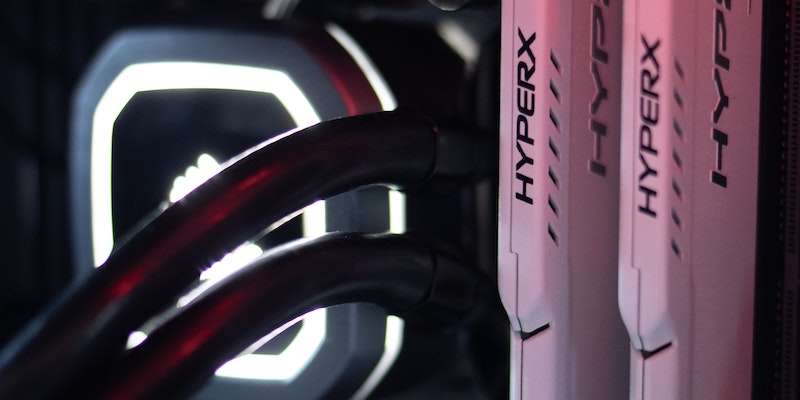
When it comes to memory performance, the Viper Xtreme 5 RGB kit has emerged as the front-runner in TechRadar’s tests. With a staggering speed of 7,600 MT/s and a capacity of 2x16GB, this kit has left its competitors in the dust. In this article, we will delve into the impressive performance, affordability, drawbacks, and alternative options of the Viper Xtreme 5 RGB kit, showcasing why it has earned the crown as the fastest DDR5 RAM on the market.
Overview of the Viper Xtreme 5 RGB kit
The Viper Xtreme 5 RGB kit boasts cutting-edge specifications that set it apart from the competition. Clocking in at 7,600 MT/s, this memory kit offers lightning-fast speed, making it an ideal choice for demanding tasks such as gaming and content creation. With a capacity of 2x16GB, users can enjoy ample space for multitasking without compromising on performance.
Impressive performance
TechRadar’s tests revealed record-breaking read and write speeds for the Viper Xtreme 5 RGB kit. Read speeds peaked at over 110,000 MB/s, ensuring swift data retrieval and smooth operation. Additionally, write speeds averaged just under 96,000 MB/s in a two-module, quad-channel configuration at its maximum speed, providing efficient data transfer and storage capabilities.
Comparisons with competing DDR5 RAM kits
One notable feature of the Viper Xtreme 5 RGB kit is the lowest clock speed available. At 5,600 MT/s, it matches the maximum speed of many competing DDR5 RAM kits currently on the market. However, Viper does not stop there, offering a 48GB kit (2x24GB) that reaches an astounding 8,200 MT/s, setting a new performance benchmark for DDR5 RAM kits.
Affordability
The Viper Xtreme 5 RGB kit defies expectations by not only offering unparalleled speed but also being competitively priced. Surprisingly, many other kits cost more, despite clocking in at significantly lower speeds. This makes the Viper Xtreme 5 RGB kit a cost-effective choice for users seeking high-performance DDR5 RAM without breaking the bank.
Performance per MSRP dollar
Although the Viper Xtreme 5 RGB kit excels in performance, its value proposition in terms of performance per MSRP dollar is average. It comes in at approximately 35% less than the PNY XLR8 Gaming Mako DDR5, which currently holds the title of the value champion. While not the most affordable option, the Viper Xtreme 5 RGB kit still offers tremendous performance and warrants serious consideration.
Drawbacks and limitations
One drawback of the Viper Xtreme 5 RGB kit is its limited compatibility. Currently, it only supports Intel XMP 3.0, restricting users with AMD AM5 motherboards to default DDR5 speeds or, in some cases, rendering it incompatible altogether. To address this, alternative options for AMD buyers, such as Corsair’s Dominator Platinum or PROXMEM Kerberos TUF RGB, offer comparable speeds and XMP compatibility.
In conclusion, the Viper Xtreme 5 RGB kit has clearly set itself apart as the fastest DDR5 RAM kit tested by TechRadar. Its impressive performance, competitive pricing, and compatibility with Intel systems make it an attractive choice for many users. However, limitations in compatibility with AMD AM5 motherboards and its slightly lower performance per MSRP dollar may impact certain buyers. Overall, the Viper Xtreme 5 RGB kit reigns supreme for now, and it will likely remain unmatched until a worthy challenger emerges. Stay tuned for the full review, where we will delve even deeper into all aspects of this high-performance DDR5 RAM kit.