

Overview of the Data Center Industry in Europe
Imagine a digital backbone stretching across Europe, powering everything from streaming services to critical business operations, yet straining under the weight of unprecedented demand. The data center industry in Europe has seen explosive growth in recent years, becoming a cornerstone of digital transformation as businesses and governments increasingly rely on cloud-based solutions and real-time data processing. This surge is driven by the continent’s push toward digitization, with data centers serving as vital infrastructure for economic progress and technological innovation.
This sector encompasses key segments such as cloud computing, colocation services, and edge computing, each addressing specific needs in the digital ecosystem. Technological advancements like artificial intelligence (AI) and the Internet of Things (IoT) are major catalysts, demanding higher processing capacities and lower latency, which in turn fuel the need for more facilities. As data generation continues to skyrocket, the industry adapts to handle complex workloads, positioning itself at the forefront of modern technology.
Major players like Vantage Data Centers, Amazon Web Services, and Blackstone dominate the landscape, competing to expand their footprints while navigating a stringent regulatory environment. Policies such as the General Data Protection Regulation (GDPR) impose strict data handling standards, while energy efficiency mandates push operators to adopt greener practices. These regulations shape investment decisions and operational strategies, ensuring that growth aligns with broader societal and environmental goals.
Vantage’s Strategic Investment in Zaragoza
Details of the Zaragoza Data Campus Project
Vantage Data Centers, a prominent US-based operator, has committed €3.2 billion ($3.78 billion) to establish a cutting-edge data campus in Villanueva de Gállego, near Zaragoza in Aragon, Spain. Spanning 40 hectares of industrial land along the Huesca highway, this ambitious development will roll out in five phases over a decade, marking a significant entry into the Spanish market. The project has already secured a 90MW electricity supply through a partnership with Endesa, underscoring its readiness to meet substantial power demands.
Collaboration with Desarrollos Ecoindustriales La Cartuja, a local Aragonese firm, has been instrumental in laying the groundwork for this campus. Additionally, the Government of Aragon has designated the initiative as a project of regional interest, streamlining bureaucratic processes and highlighting its strategic importance. This designation ensures smoother execution and reflects strong institutional backing for the development.
Economic Impact and Regional Growth
The economic ramifications of this investment are substantial, with immediate benefits to the local workforce. Projections indicate the creation of 180 permanent jobs within the first three years, with numbers expected to rise to 520 by the project’s completion. These positions span various skill levels, offering opportunities for sustained employment in a high-growth sector.
Beyond job creation, the campus bolsters Aragon’s emerging reputation as a global data center hub, complementing investments by giants like Amazon Web Services and Blackstone in the region. This clustering effect enhances the area’s appeal to tech firms, fostering a robust ecosystem. President Jorge Azcón noted that total business investments in Aragon have reached €57.9 billion ($65.5 billion) under the current legislative term, illustrating how such projects contribute significantly to regional GDP and public service funding through increased tax revenues.
The ripple effects extend to ancillary industries, including construction, energy, and technology services, which stand to gain from heightened activity. This transformative investment positions Aragon as a competitive player on the international stage, attracting further capital and expertise. It also signals a shift toward technology-driven economic models in traditionally industrial regions.
Challenges in Data Center Development
Data centers, despite their economic promise, face significant hurdles that threaten to slow expansion. High energy consumption remains a primary concern, as these facilities require vast amounts of power to operate servers and cooling systems, often straining local grids. This issue is compounded by rising energy costs and the need to balance operational efficiency with environmental impact.
Land use conflicts and community opposition add further complexity, as large-scale projects can disrupt local ecosystems or divert resources from other priorities. Residents and advocacy groups frequently raise concerns about water usage for cooling and the visual impact of sprawling campuses. Addressing these grievances requires transparent dialogue and innovative planning to minimize disruptions.
Solutions are emerging through technological advancements and strategic partnerships. Cutting-edge cooling systems, renewable energy integration, and modular designs help reduce resource demands, while collaboration with local governments ensures alignment with community needs. These approaches aim to mitigate negative perceptions and pave the way for sustainable growth in the sector.
Regulatory Landscape and Sustainability Standards
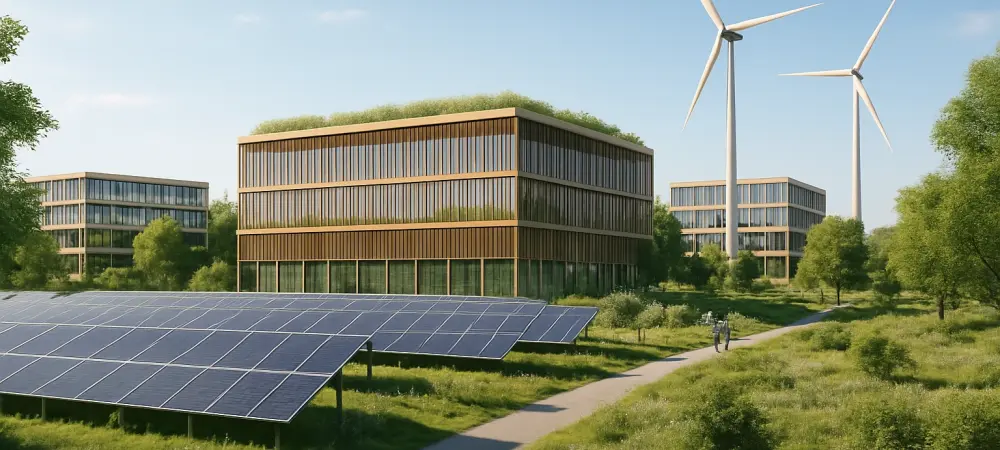
The regulatory framework governing data centers in Spain and across Europe is increasingly focused on environmental accountability. Energy efficiency directives mandate reductions in carbon footprints, compelling operators to adopt cleaner practices or face penalties. Compliance with these rules is non-negotiable for market participants aiming to maintain operational licenses and public trust. Vantage has positioned itself as a leader in sustainability with the Zaragoza campus, integrating renewable energy sources such as wind and photovoltaic systems into its power strategy. The use of closed-loop cooling technology further minimizes water consumption, addressing a critical concern in arid regions like Aragon. Such measures align with broader industry trends toward climate neutrality and demonstrate a proactive stance on ecological responsibility.
Government support plays a pivotal role in facilitating eco-friendly projects, offering incentives for renewable energy adoption and streamlining approvals for sustainable initiatives. This backing is essential for balancing industrial expansion with environmental goals. As regulations evolve, they continue to shape investment priorities, pushing the sector toward greener and more accountable operations.
Future Outlook for Data Centers in Spain
Spain’s data center industry is poised for robust growth, fueled by escalating demand for digital infrastructure and cloud services. Businesses across sectors are migrating to digital platforms, necessitating expanded capacity to handle data storage and processing. This trend is expected to intensify over the coming years, with Spain emerging as a key node in Europe’s digital network.
Emerging technologies like edge computing and AI-driven data processing are set to redefine the landscape, requiring facilities that can deliver low-latency solutions closer to end-users. Additionally, the push for carbon-neutral operations is gaining momentum, with operators investing in green technologies to meet both regulatory and consumer expectations. These innovations signal a shift toward more agile and sustainable models.
Global economic conditions, technological breakthroughs, and regional policies will continue to influence the sector’s trajectory. Aragon, with its strategic location and supportive governance, stands to benefit significantly, potentially becoming a leading hub in southern Europe. Sustained investment and policy alignment will be critical to maintaining this momentum and addressing future challenges.
Conclusion and Strategic Implications
Reflecting on the comprehensive analysis, Vantage Data Centers’ substantial investment in Zaragoza emerges as a defining moment for Spain’s digital economy. The initiative not only amplifies economic growth through job creation and regional development but also sets a benchmark for sustainable practices in a resource-intensive industry. It highlights how strategic collaborations and governmental support can transform regional landscapes into global tech hubs.
Moving forward, stakeholders should prioritize scalable solutions that address energy and land use challenges while maintaining economic viability. Investments in renewable energy and community engagement programs could serve as effective tools to mitigate opposition and enhance project acceptance. Encouraging innovation in cooling technologies and modular designs might further reduce environmental footprints.
Lastly, policymakers and industry leaders must collaborate to refine regulatory frameworks that incentivize sustainability without stifling growth. Establishing clear guidelines for resource allocation and offering grants for green initiatives could ensure long-term success. Aragon’s trajectory as a data center hub offers valuable lessons, suggesting that a balanced approach to technology and ecology could redefine industrial progress on a global scale.