

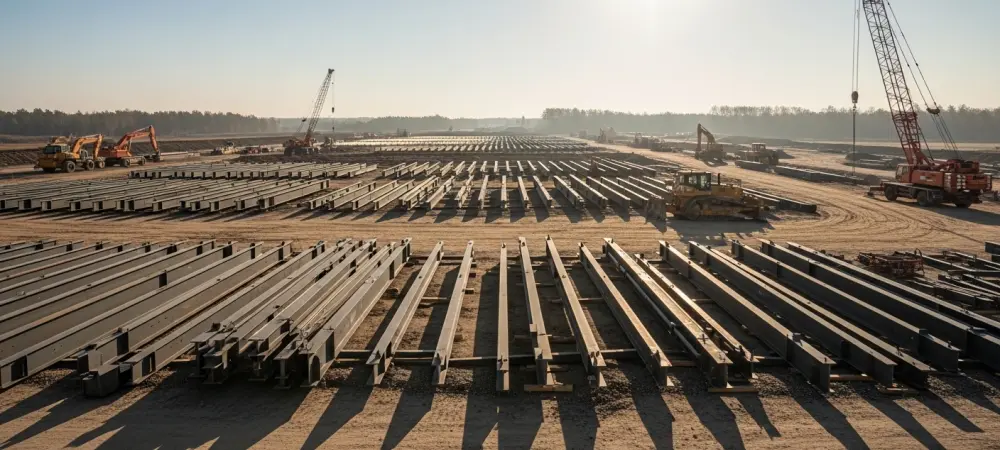
The quiet rural landscape of Vance County stands at a pivotal crossroads where traditional land use meets the unrelenting expansion of the digital infrastructure required to power modern life. In a decisive 6-1 vote, the Vance County Board of Commissioners recently authorized a critical rezoning request for a forty-acre parcel of land situated along US-158 Business near Henderson. This legislative action successfully transitioned the property from its previous designation of Employment and Institutional to a Light Industrial status, effectively removing a major regulatory barrier for large-scale development. While Natelli Investments LLC has not publicly released finalized architectural blueprints or specific technical specifications, the shift aligns with the firm’s recent focus on high-density digital facilities. This decision underscores a growing trend across North Carolina where local governments seek to bolster tax bases through tech-centric industrial hubs. However, the path forward remains contingent upon the county’s rigorous formal permitting process, which ensures that any future construction adheres to strict environmental and safety regulations.
Resistance and the Call for a Development Moratorium
Despite the administrative momentum, the project faces a formidable wave of local opposition characterized by a massive turnout at public hearings and an online petition that has secured over six hundred signatures from concerned residents. Opponents of the rezoning argue that the sudden introduction of industrial-grade infrastructure into a historically residential and institutional area will irrevocably damage the local environment and place an unsustainable strain on the county’s power and water resources. Many community members have expressed deep skepticism regarding the long-term benefits of such facilities, fearing that the specialized nature of data centers provides few local jobs while demanding significant utility consumption. In response to these concerns, a vocal coalition of citizens is now advocating for a one-year moratorium on all new data center approvals. This proposed pause is intended to provide county officials with the necessary time to revise zoning standards and implement greater transparency requirements. By demanding more oversight, residents hope to ensure that industrial growth does not come at the expense of their quality of life or the integrity of nearby religious and historical sites.
Strategic Considerations for Future Infrastructure Growth
The tension currently unfolding in Vance County reflects a broader national dialogue regarding the rapid scaling of the cloud and artificial intelligence infrastructure. History suggests that a cautious approach is often warranted, as seen when Natelli Investments previously withdrew a two hundred and fifty megawatt proposal in Apex following a similar surge of public scrutiny and government pressure. For Vance County to successfully navigate this transition, officials should prioritize the establishment of a comprehensive technological development framework that mandates clear community benefits and rigorous environmental mitigation strategies. Implementing specialized zoning overlays for high-intensity power users would allow the county to separate industrial sites from sensitive residential zones more effectively. Looking ahead, the focus shifted toward creating sustainable partnerships where developers invested in local power grid upgrades or subsidized educational programs to align their interests with the public. By adopting such proactive measures, the local government ensured that the expansion of the digital economy remained a collaborative effort rather than a point of perpetual conflict. These steps provided a blueprint for other rural regions seeking to balance economic modernization with the preservation of their cultural heritage.