

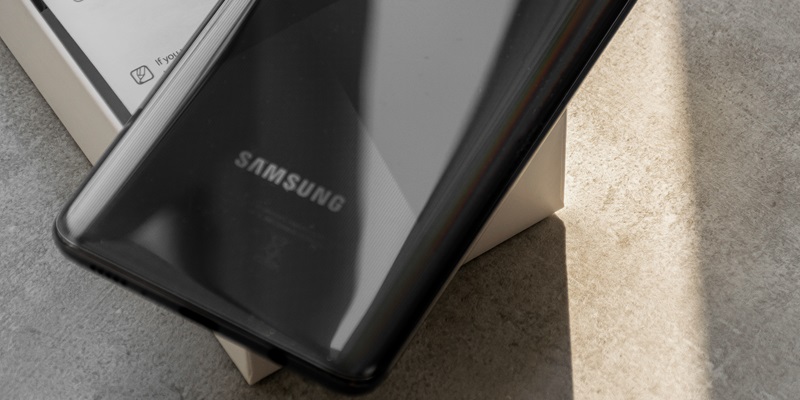
When it comes to finding a mobile phone that offers excellent value for your money, the Samsung Galaxy A53 5G stands out from the crowd. With its impressive features and performance, this smartphone is worth considering. However, one important factor to keep in mind is its battery life, which can be affected by the power-hungry 5G capabilities and energy-intensive applications.
Display: A Visual Delight
The Galaxy A53 5G features a stunning 6.5-inch Super AMOLED display that delivers vibrant colors and sharp details. Whether you’re watching videos or browsing through photos, the visual experience is truly immersive.
Performance: Lag-Free Multitasking
Powered by a Qualcomm Snapdragon processor, the Galaxy A53 5G delivers smooth and lag-free performance. Even when multitasking or running demanding applications, you can expect a seamless experience without any significant slowdowns.
5G Compatibility: Future-Ready Connectivity
One of the standout features of the Galaxy A53 5G is its compatibility with 5G networks. This ensures lightning-fast download and upload speeds, enabling you to enjoy a highly responsive online experience. The potential of 5G connectivity is promising, especially for those who heavily rely on internet-dependent activities.
Camera Setup: Versatility at Your Fingertips
The Galaxy A53 5G is equipped with a versatile quad-camera setup. Capture memorable moments with the 48MP main camera or experiment with perspectives using the ultra-wide-angle lens. Additionally, the macro and depth cameras allow you to explore your creativity and take stunning up-close shots with a beautiful bokeh effect.
Battery Life Issue: A Cause for Concern
Despite its impressive features, the Galaxy A53 5G faces a common challenge – limited battery life. The power-hungry 5G capabilities and energy-intensive applications take a toll on the device’s battery, causing it to drain quickly.
Battery Factors: A Combination of Size and Network Consumption
One of the primary reasons for the subpar battery life is the phone’s relatively small battery capacity and the high power consumption of the 5G network. The small battery size acts as a limiting factor, while the continuous use of 5G exacerbates the problem, resulting in reduced usage time. The impact of gaming and HD streaming on battery life becomes more apparent as these tasks require more resources. Engaging in these activities can put additional strain on the battery, causing it to deplete faster.
Fast Charging Technology: Partial Resolution
While the Galaxy A53 5G supports fast charging technology, allowing users to quickly recharge their devices, it doesn’t fully compensate for the limited battery life. Fast charging may relieve immediate power needs but may require more frequent charging sessions throughout the day.
Considerations for Purchase: Battery Awareness
While the Galaxy A53 5G offers impressive features and performance, it’s essential to consider your usage patterns and battery requirements before making a purchasing decision. If you heavily rely on your smartphone and require long-lasting battery life, it’s worth exploring alternative models with larger battery capacities.
The Samsung Galaxy A53 5G is a mobile phone that brings excellent value to the table. Its stunning display, smooth performance, compatibility with 5G networks, and versatile camera setup make it an appealing choice. However, potential buyers must be aware of the phone’s battery limitations, particularly when utilizing power-hungry 5G capabilities and engaging in resource-intensive tasks. Take your usage patterns and battery requirements into account to make an informed decision about whether the Galaxy A53 5G suits your needs.