

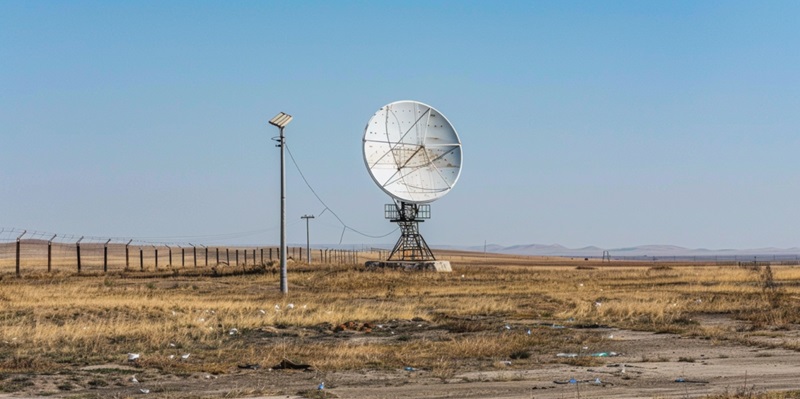
Uzbekistan is making a significant leap to bridge its digital gap by teaming up with SpaceX. This venture will introduce Starlink’s advanced satellite internet to the country, promising to enhance connectivity. Renowned for delivering high-speed access via low Earth orbit satellites, Starlink can serve even the most isolated areas. This alliance is a key part of Uzbekistan’s digital transformation strategy, which aims to spur growth across multiple sectors, including education, healthcare, and the economy. By employing this innovative technology, Uzbekistan is set to offer more of its citizens access to the global digital community, potentially transforming lives and bolstering the nation’s digital infrastructure. This partnership with SpaceX’s Starlink is a notable step toward modernity for the Central Asian nation, ensuring progress in becoming more connected and technologically advanced.
Bridging the Digital Divide
As the world moves rapidly towards global digital integration, Uzbekistan’s partnership with SpaceX stands as a clear commitment to this trend. Starlink’s satellite internet service is slated to play a vital role in extending broadband access to underserviced regions of the country. This expansion of internet connectivity is not just a question of technological advancement but also one of socio-economic development. By reaching remote communities, Starlink will provide countless opportunities for education, enabling students to access a wealth of knowledge that was previously beyond their reach. Broadband access through Starlink also promises improvements in healthcare services by connecting medical professionals and facilities to global health networks and resources, paving the way for better patient outcomes.
The rollout of Starlink services across Uzbekistan holds the potential to ignite economic growth by providing the framework necessary for budding entrepreneurs and established businesses alike. Internet connectivity is a fundamental pillar for innovation and commerce in the modern world, and its introduction to remote areas can stimulate new ventures and expand markets. Furthermore, by equipping farmers with the online tools to better predict weather patterns and improve agricultural practices, the service could also enhance food security, ultimately bolstering the nation’s economy. The impact of increased internet access is poised to be transformative, touching every aspect of Uzbekistani life and potentially setting a precedent for other nations in the region.
Balancing Progress with Sustainability
The collaboration between Uzbekistan and SpaceX’s Starlink to provide satellite internet must overcome financial and ecological challenges. Ensuring affordability is key so that the initiative does not widen the digital divide. Potential strategies may include cost subsidies to help average citizens. Additionally, as the project proceeds, tackling space debris is vital. Uzbekistan and SpaceX should adhere to ethical practices for debris reduction and adhere to satellite deorbiting standards.
Uzbekistan’s embrace of Starlink must also address environmental concerns. SpaceX’s role in this partnership can pave the way for the sustainable use of satellites, which is vital for avoiding future harm to our space environment. Emphasizing corporate and environmental accountability, from manufacturing to end-of-life satellite handling, is critical to avoid crowding in orbit. Such stewardship is imperative for the sustainable use of outer space.