

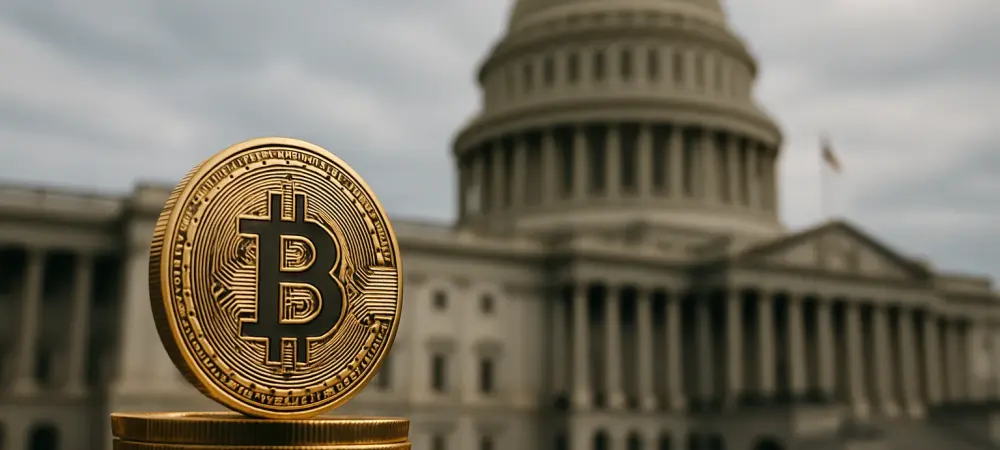
The once-turbulent world of cryptocurrency in the United States is now navigating a period of profound transformation, as a decisive, two-pronged regulatory strategy emerges to replace years of ambiguity with clear and actionable rules. This concerted effort, unfolding simultaneously in the halls of Congress and at the municipal level, signals a major maturation of the digital asset landscape. While federal lawmakers are meticulously constructing a comprehensive market structure to govern trading and investment, local governments are taking direct action to shield consumers from street-level fraud, collectively forging a more stable and predictable future for the industry.
Forging a Federal Framework
The Push for Legislative Clarity
The ongoing legislative momentum in Washington D.C. represents a fundamental departure from the previous “regulation by enforcement” approach, which often left digital asset firms navigating a complex and unpredictable compliance environment. For years, the lack of a clear statutory framework meant that regulatory boundaries were often defined retroactively through litigation, creating significant operational and reputational risks for businesses. This uncertainty has been a major impediment to innovation and has made it difficult for regulated firms to design and launch new products with confidence. The current legislative push is designed to remedy this by establishing proactive, transparent standards. By creating a predictable rulebook for key crypto activities, lawmakers aim to provide the industry with the stability it needs to grow responsibly. This shift is being closely watched by institutional investors, who see clear regulations as a prerequisite for committing significant capital to the digital asset class, ultimately fostering a more secure and reliable market for all participants. The goal is to build a foundation that encourages compliant innovation rather than stifling it through fear of unforeseen enforcement actions. Central to this effort is the Digital Asset Market Clarity Act of 2025, a landmark piece of legislation designed to untangle the overlapping mandates of various regulatory agencies. A key provision of the CLARITY Act is its effort to formally define “digital commodities,” a critical step in assigning clear jurisdictional lines between regulators and ensuring that assets are governed by the appropriate body. This legislative clarity is being advanced through a potential two-track process, with both the Senate Banking Committee and the Senate Agriculture Committee preparing their own legislative work. The Senate Banking Committee has already scheduled a pivotal markup for digital asset legislation on January 15, 2026, signaling a firm commitment to moving forward. By delineating specific responsibilities for oversight, the act aims to replace the current fragmented system with a cohesive and streamlined framework. This will provide regulated entities with the precise guidance needed for product design and compliance, significantly reducing the legal ambiguity that has long characterized the U.S. crypto market and creating a more efficient regulatory process.
Implications for Institutional Investment
The establishment of a clear and comprehensive federal regulatory framework is widely seen as the key that will unlock a new wave of institutional investment in the digital asset space. For years, large financial institutions have remained on the sidelines, deterred not by a lack of interest but by the substantial operational and reputational risks associated with an unregulated or poorly defined market. The absence of clear rules for custody, trading, and issuance has made it challenging for these highly regulated entities to meet their fiduciary responsibilities and internal compliance mandates. The CLARITY Act and related legislative efforts directly address these concerns by creating the predictable legal environment necessary for institutional participation. As these rules take shape, they are expected to lower the barriers to entry for pension funds, asset managers, and other major financial players, who require regulatory certainty before deploying capital at scale. This influx of institutional money is poised to bring greater stability and liquidity to the market, marking a significant step in the evolution of digital assets from a speculative niche to a mainstream asset class.
Beyond simply attracting new capital, the development of a robust regulatory structure is anticipated to have a profound and lasting impact on the overall health and stability of the crypto market. Clearer regulations are expected to foster steadier liquidity, reducing the extreme price volatility that has historically been a hallmark of the industry. With predictable standards for compliance, market participants can operate with greater confidence, leading to a more orderly and efficient trading environment. This maturity is crucial for building long-term investor trust and supporting the sustained growth of the ecosystem. While these foundational changes may not immediately influence short-term price action, their long-term effect will be to create a more resilient and sophisticated market. By providing a stable foundation for trading, custody, and issuance, the new federal framework is set to cultivate a market environment that supports steadier growth and encourages long-term investment strategies over short-term speculation, benefiting the entire digital asset economy.
Tackling Grassroots Threats
The Local Crackdown on Crypto Kiosks
While federal lawmakers focus on the architecture of the financial markets, a different and more immediate regulatory battle is being waged in cities across the country to protect consumers from a rising tide of cryptocurrency-related fraud. At the heart of this local-level effort is the crackdown on virtual currency kiosks, often referred to as crypto or Bitcoin ATMs. These machines have become a favored tool for scammers, who exploit them to coerce vulnerable individuals into making urgent and irreversible payments. Fraudsters often impersonate government officials or utility company representatives, creating a false sense of emergency to pressure victims into converting cash into cryptocurrency and sending it to an anonymous digital wallet. The one-way, irreversible nature of these transactions makes them particularly dangerous, as victims have little to no recourse once the funds are sent. This direct targeting of consumers, especially the elderly and less tech-savvy, has prompted municipal leaders to take decisive action to shut down these high-risk onramps for criminal activity. A prime example of this proactive local response is the ordinance passed by the city of Spokane, Washington, in June 2025, which unanimously voted to prohibit the hosting and operation of all virtual currency kiosks within its jurisdiction. This move was a direct reaction to the increasing number of fraud cases reported to local law enforcement where these machines were the primary vehicle for theft. City officials concluded that the potential for consumer harm far outweighed any legitimate use cases the kiosks might offer. Spokane’s ordinance serves as a model for other municipalities grappling with similar issues, demonstrating that local governments can play a critical role in consumer protection by addressing the physical infrastructure that enables digital asset fraud. This grassroots approach targets the problem at its source, removing a key tool from the hands of criminals and sending a clear message that predatory financial practices will not be tolerated. This type of local-level intervention complements the broader federal strategy by addressing the immediate, real-world impact of crypto on everyday citizens.
A Divergent but Complementary Strategy
The regulatory actions unfolding at the local level represent a distinct but highly complementary front in the broader U.S. effort to govern the digital asset industry. While federal legislation is designed to construct the foundational pillars of the market—governing trading, custody, and asset issuance on a national scale—municipal ordinances are focused on addressing immediate, street-level threats to consumer safety. This dual approach recognizes that a comprehensive regulatory solution cannot be one-size-fits-all. The complexities of institutional finance require a sophisticated federal framework, but the protection of vulnerable individuals from common fraud schemes often necessitates swift and targeted local intervention. The actions taken in cities like Spokane are not in conflict with the work being done in Washington D.C.; rather, they are parallel initiatives that tackle different facets of the same overarching goal: to make the crypto ecosystem safer and more trustworthy for everyone. This multi-layered strategy ensures that both the macro-level market structure and the micro-level consumer experience are addressed simultaneously.
This trend of municipal-level regulation underscores a growing recognition that the impacts of cryptocurrency extend far beyond financial markets and into the daily lives of ordinary people. The rise of crypto-enabled fraud has made it clear that local governments have a vital role to play as the first line of defense in consumer protection. By taking direct action against predatory tools like unsecured virtual currency kiosks, city leaders are responding to the tangible harms experienced by their constituents. This localized approach is often more agile and responsive than federal rulemaking, allowing communities to address emerging threats quickly. The collective impact of these local initiatives contributes to a more robust and resilient regulatory environment overall. It demonstrates a maturing understanding that effective governance of a disruptive technology like cryptocurrency requires a collaborative effort, with federal bodies setting the national standards and local authorities safeguarding their communities from the ground up.
A More Mature Regulatory Horizon
The parallel efforts at both the federal and local levels over the past few years fundamentally reshaped the regulatory landscape for digital assets in the United States. The legislative progress in Congress, highlighted by the push for the CLARITY Act, worked to replace a patchwork of enforcement actions with a predictable and cohesive national framework. This move provided the institutional-grade clarity that the market had long sought. At the same time, decisive actions by municipal governments to combat fraud at the consumer level demonstrated a commitment to protecting the public from the immediate risks associated with the technology. This two-pronged approach marked a significant maturation of the industry’s oversight, moving it from a phase of ambiguity and reactive enforcement to one of proactive and structured governance. The developments collectively built a stronger foundation for the industry, establishing clearer expectations for businesses and greater safeguards for investors and consumers alike.