

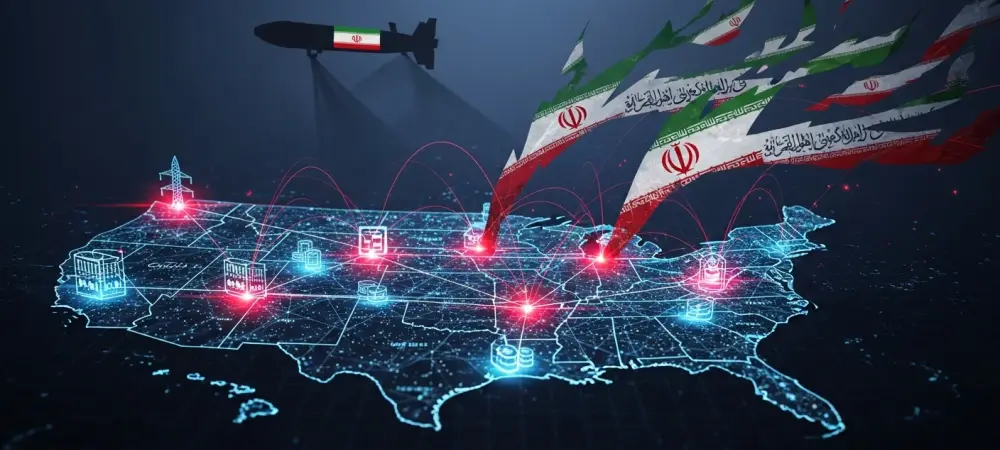
The modern stability of the American power grid, water systems, and food supply chains currently rests on a razor-edge as geopolitical volatility translates into immediate digital and physical threats. A recent joint advisory issued by a coalition of ten prominent information-sharing groups, including the IT-ISAC and the Food and Agriculture ISAC, underscores a dangerous shift in the threat landscape. Following significant military operations and the death of Iranian leader Ali Khamenei, the risk of retaliatory strikes has reached a critical threshold that demands a unified defensive posture.
This guide serves as a framework for navigating this multifaceted environment, where Iranian-linked actors and hacktivist groups are actively seeking to exploit any perceived weakness. The objective is to move beyond passive observation and toward a structured methodology for securing critical assets. By understanding the convergence of digital subversion and physical risk, infrastructure operators can better position themselves to withstand a period of unprecedented hostility.
The Convergence of Geopolitical Tensions and Infrastructure Vulnerability
The current climate is defined by a volatile mix of state-sponsored cyber operations and ideological fervor. In the wake of high-profile military engagements, Iranian-backed entities such as Seedworm, also known as MuddyWater, have intensified their efforts to penetrate Western networks. These groups are no longer merely conducting espionage; they are establishing long-term persistence to facilitate disruptive actions.
Furthermore, the threat is not confined to the digital realm. The issuance of religious edicts calling for vengeance has activated a hybrid threat model where “lone wolf” actors or sleeper cells may target physical facilities. Consequently, security teams must broaden their scope to include the monitoring of physical anomalies and local threats that align with these calls for retaliatory violence.
The Critical Importance of Proactive Defense in Times of Volatility
Navigating these challenges is complicated by periods of limited government functionality, which places a heavier burden on private-sector operators to bridge intelligence gaps. When federal resources are stretched thin, the ability of an organization to self-monitor and share data through sectoral ISACs becomes the primary line of defense. This proactive stance is essential for maintaining operational continuity in the face of increasingly sophisticated “wiper” malware designed to erase critical system data.
Beyond technical resilience, a robust defense serves to mitigate the cascading financial and reputational damage that follows a public service disruption. When healthcare providers or food distributors face downtime, the impact is felt across the entire economy. Safeguarding these chains ensures that public safety remains intact even as international tensions continue to simmer, preventing the chaos that adversaries seek to sow.
Best Practices for Hardening Infrastructure Against Iranian-Linked Actors
Hardening infrastructure requires a strategic shift toward rapid detection and the isolation of compromised segments. Actors typically favor the path of least resistance, relying on spear-phishing campaigns and the exploitation of unpatched software vulnerabilities. To counter these methods, organizations must adopt a zero-trust mentality that assumes a breach is always a possibility, focusing heavily on minimizing the impact of any single point of failure.
Implementing Robust Access Controls and Credential Security
The most effective barrier against unauthorized entry remains the deployment of phishing-resistant Multifactor Authentication (MFA). Since many Iranian-linked groups rely on stolen credentials to gain initial access, requiring a physical token or a cryptographic handshake effectively neutralizes the utility of compromised passwords. This layer of security is particularly vital for administrative accounts that hold the keys to the entire network.
Moreover, a comprehensive audit of administrative privileges is necessary to prevent lateral movement within a system. By enforcing the principle of least privilege, organizations can ensure that a breach in a low-level department does not provide an actor like MuddyWater the opportunity to jump into sensitive control systems. A case study in the food supply sector demonstrated that limiting user permissions prevented a minor credential theft from escalating into a full-scale regional distribution shutdown.
Establishing Resilient Data Recovery and Network Integrity Protocols
In an era of destructive wiper attacks, the integrity of backups is just as important as the strength of the firewall. Organizations should maintain frequent, isolated, and “air-gapped” data copies that are not connected to the primary network. This ensures that even if a malicious actor triggers a payload that encrypts or deletes live data, the organization can restore its operations from a clean, untainted source.
Continuous monitoring for anomalous behavior serves as the early warning system for these infiltrations. By establishing a baseline of “normal” network traffic, security teams can quickly identify the subtle footprints of a sleeper agent or a backdoor installation. A medical device manufacturer recently mitigated a major wiper threat by detecting unusual outbound data flows, allowing them to sever the connection before the malware could execute its destructive phase.
Integrating Physical Security and Incident Response Planning
Modern security planning must formalize response procedures that account for both digital breaches and physical security threats simultaneously. Incident response plans should be treated as living documents, regularly tested through tabletop exercises that simulate a coordinated attack on both a facility’s network and its physical perimeter. This holistic approach ensures that security personnel are not caught off guard by a multi-vector assault.
Coordinating with local law enforcement and private security partners is essential for monitoring physical anomalies, such as unauthorized surveillance of facility entrances or suspicious activity near power substations. During the infiltration waves seen in early 2026, those who maintained tight communication between their cybersecurity and physical security departments were far more successful in identifying and neutralizing threats before they could manifest into actual harm.
Strategic Evaluation and Future Preparedness
The probability of continued strikes by Iranian-backed groups remains exceptionally high as long as regional tensions persist. Infrastructure operators should prioritize participation in private-sector collaboration hubs, as these information-sharing networks provide the most current and actionable intelligence available. Adopting these measures immediately is no longer an optional enhancement but a fundamental requirement for national security and the protection of the American public.
In response to these emerging dangers, organizations successfully transitioned to a more decentralized and resilient security architecture. By moving toward immutable backups and real-time threat intelligence sharing, stakeholders effectively diminished the leverage held by foreign state actors. Future efforts should focus on the automation of threat hunting and the integration of artificial intelligence to predict attack patterns before they reach the network edge. This shift ensured that the critical pillars of society remained standing despite the intensity of the digital and physical pressure applied against them.