

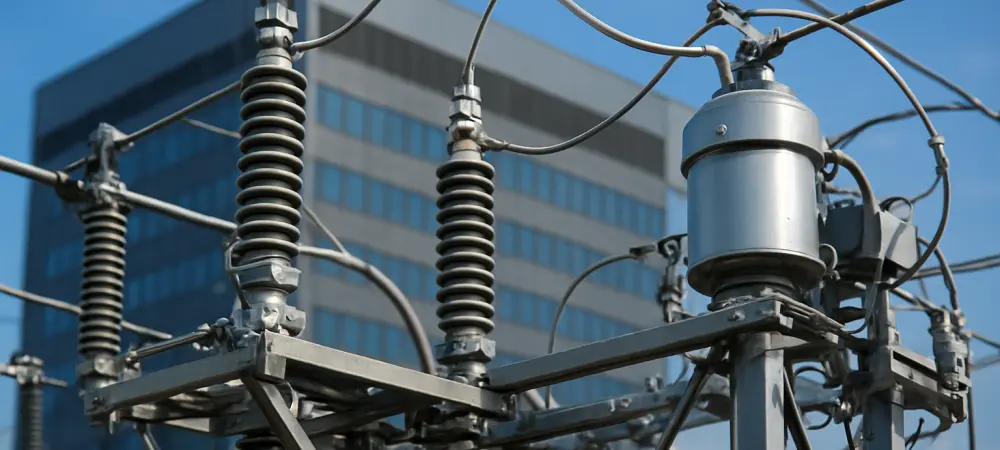
Ireland’s national power grid is under unprecedented strain as data center electricity consumption skyrocketed from five percent in 2015 to twenty-two percent in 2024. This dramatic increase signals a fundamental shift in where the world’s digital infrastructure is being housed, as major technology corporations flee increasingly hostile environments in North America. While these facilities were once heralded as beacons of modern economic progress, they are now frequently viewed as resource-heavy liabilities. The American landscape, formerly the undisputed heart of the digital revolution, has become a battlefield where local communities fight to preserve their water and electricity supplies. Silicon Valley’s biggest players have pivoted toward the Emerald Isle, seeking refuge in a regulatory climate that has traditionally been more welcoming. However, this migration has exported the same environmental and social tensions that triggered the American exodus. The current geopolitical landscape is defined by a desperate search for stability.
The Domestic Backlash and the Irish Alternative
Across the United States, a growing bipartisan movement has successfully shifted the perception of data centers from symbols of prestige to community burdens. Recent polling indicates that a majority of citizens now oppose new construction in their local areas, citing the immense land and water requirements as disproportionate to the economic benefits. While a new facility might create hundreds of temporary construction jobs, the operational phase typically employs only a few specialized technicians. This reality has fueled a “not-in-my-backyard” sentiment that has reached a national scale, prompting several states to consider stricter regulations. In regions like Northern Virginia, which remains the densest data hub in the world, local advocacy groups have become sophisticated political actors. They argue that the noise pollution and visual blight of these structures destroy the character of residential neighborhoods while offering very little in return to the local job market.
In response to this public outcry, legislative bodies have begun to dismantle the generous tax incentives that once lured tech giants to American soil. From 2026 to 2028, several key states are projected to implement mandatory water-recycling requirements and strict carbon-neutrality deadlines for all new server farms. These regulatory hurdles significantly increase the capital expenditure required to launch a new site, making domestic expansion less attractive than it was a decade ago. Furthermore, utility companies are being pressured to prioritize residential grid stability over the high-demand needs of corporate server clusters. This has led to a moratorium on new permits in some jurisdictions, effectively freezing the growth of the digital infrastructure footprint within traditional tech corridors. As the legal landscape becomes more complex, companies are realizing that the path of least resistance no longer lies within U.S. borders, forcing a strategic realignment of their global data distribution networks.
Economic Realities and the Path to Sustainability
The transition to an Ireland-centric infrastructure model has been facilitated by long-standing policy frameworks designed to attract foreign direct investment. However, the rapid expansion of the data sector has placed an unprecedented strain on the Irish power grid, leading to a complex economic paradox. As these facilities consume a larger share of the total energy supply, they create a “hidden tax” for residents, as the cost of upgrading infrastructure to meet corporate demand is often shared across the entire ratepayer base. Furthermore, the massive power requirements of server farms have begun to compete directly with critical social needs, such as housing projects and public transport. In some instances, housing developments have been delayed because the local grid capacity was already fully committed to a nearby data center. This competition for finite resources has sparked a heated debate about the true cost of digital hospitality.
Policy makers determined that the path forward required radical transparency regarding the utility footprints of large-scale server operations. Stakeholders recognized that the old model of unchecked growth failed to account for the social costs of resource displacement. To solve these issues, technical experts recommended the implementation of mandatory heat-recycling systems that redirected server exhaust to warm local residential districts. This approach successfully integrated industrial facilities into the urban fabric rather than leaving them as isolated consumers of power. It was established that any future expansion had to be contingent on a net-zero impact on the existing public grid. These measures ensured that the digital economy contributed to, rather than subtracted from, the resilience of the host community. By prioritizing collaborative infrastructure, both the government and tech firms moved toward a sustainable equilibrium. This transition proved that the digital world could only flourish when its physical foundations respected the local environment.