

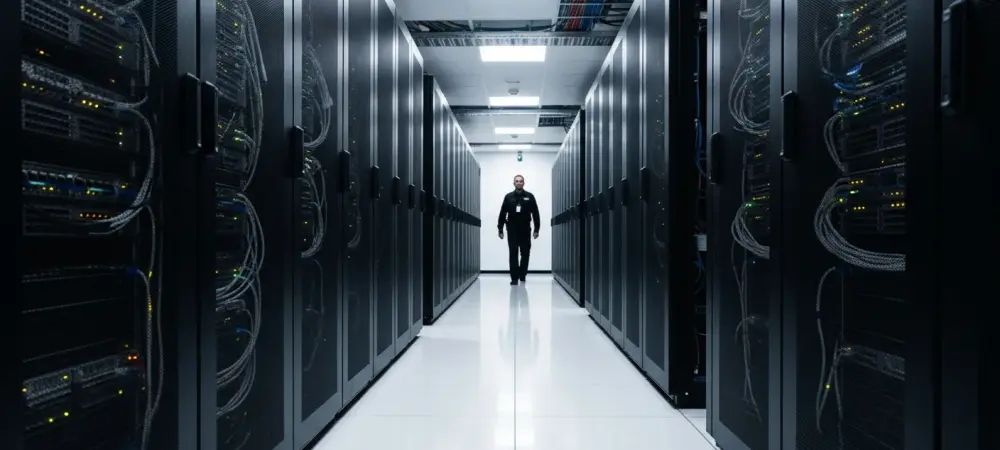
The rapid expansion of the digital landscape has transformed quiet suburban corridors into massive industrial hubs, sparking a level of domestic friction that federal intelligence agencies are now classifying as a significant threat to national stability. As data centers become the backbone of the modern economy, their physical presence has met with unexpected resistance from residents and advocacy groups concerned about the environmental and social costs. This pushback, once viewed as standard civic debate, has increasingly attracted the scrutiny of the Department of Homeland Security and the FBI. Intelligence reports now characterize certain forms of dissent as “anti-tech violent extremist activity,” a label that shifts the focus from local planning to national security. This development highlights a growing tension between the government’s push for technological dominance and the public’s right to voice concerns about the impact of massive infrastructure projects on their neighborhoods. The classification reflects a broader strategy to protect the critical assets that drive the artificial intelligence boom.
Defining the Scope: Critical Infrastructure and Emerging Threats
Intelligence agencies have adopted specific terminology to classify individuals they suspect of planning operations against high-value tech targets, effectively broadening the scope of domestic surveillance. These labels often group environmental activists with criminal syndicates and state-sponsored actors under a broad umbrella of potential threats to the nation’s critical infrastructure. This categorization allows federal authorities to use enhanced monitoring tools against groups that were previously considered low-risk community organizers. Intelligence hubs now monitor activities such as the physical observation of facilities or the detailed photography of secure sites, treating these actions as possible signs of sabotage or unauthorized digital exploitation. By framing public interest in these sites as a precursor to hostile activity, the government creates a chilling effect on legitimate investigative efforts. This strategy assumes that any unauthorized gathering of information regarding power grids or cooling systems is a step toward an attack on the digital economy.
A significant disconnect exists between law enforcement’s focus on conspiracy theories and the actual reasons people oppose the expansion of data centers in their communities. While intelligence files often highlight fringe fears of a global “control grid” or automated surveillance state, most citizens are actually worried about the strain these facilities place on local water and power supplies. Large-scale server farms require millions of gallons of water daily for cooling, which can deplete local aquifers and drive up utility costs for nearby residents. By focusing on radical rhetoric rather than mainstream resource concerns, federal agencies risk lumping together legitimate local grievances with national security threats. This misinterpretation alienates the public and obscures the valid economic and environmental arguments presented during town hall meetings. When federal authorities treat utility concerns as a mask for extremist ideology, they undermine the democratic process and ignore the physical reality of resource limitations.
The Impact of Surveillance: Civic Participation and AI Volatility
Intelligence gathering has moved beyond traditional monitoring to include the tracking of investigative journalism and peaceful local protests that challenge the tech industry’s footprint. For instance, law enforcement has kept tabs on media reports detailing how data center construction has disrupted the lives and water access of local residents, viewing such reporting as potential fuel for civil unrest. This broad surveillance often extends into public hearings and planning meetings, where the presence of undercover officers and heightened security has turned routine community debates into flashpoints for national security monitoring. In some instances, peaceful demonstrators have faced arrests or aggressive questioning simply for expressing opposition to the zoning changes required for new facilities. This creates an environment where journalists and activists feel targeted for performing their roles in a transparent society. The integration of security personnel into civic spaces suggests that the government views the tech boom’s social friction as a risk that must be managed through control.
Law enforcement anticipated that the continued surge in artificial intelligence development would lead to a prolonged period of social friction, necessitating new strategies for maintaining public order. Analysts noted that the social fallout from the massive physical footprint of the tech industry became a central focus for security agencies as the decade progressed. It was found that protests targeting electric vehicle manufacturing and defense technology served as early indicators of a broader skepticism regarding the economic benefits of these projects. To address these challenges, agencies shifted toward a model of preventative community dialogue rather than relying solely on surveillance and categorization. This strategic pivot emphasized the importance of addressing the underlying causes of dissent, such as resource scarcity and local economic displacement, to mitigate the risks of civil unrest in urban centers. By prioritizing these actionable reforms, officials worked to reconcile the rapid pace of innovation with the preservation of democratic norms and public safety.