

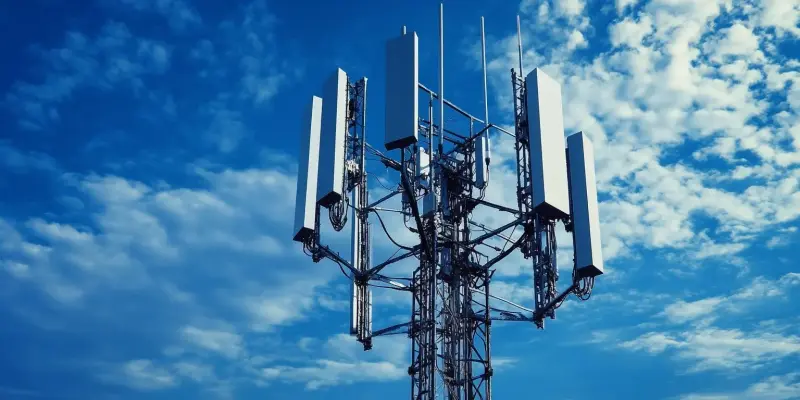
Europe is on the verge of a technological transformation, with 5G expected to revolutionize industries and economies across the continent. According to GSMA research, 5G adoption is projected to reach 80% in Europe and contribute a significant €164 billion to the economy by 2030, an impressive figure marking the importance of this technology. Despite a projected 30% adoption rate by 2024, Europe lags behind other regions, such as North America, East Asia, and Gulf Cooperation Council states, where next-generation networks are already a primary focus. To close this gap and maintain competitiveness, it is crucial for Europe to implement urgent policy reforms that will boost investment in digital infrastructure.
The report from GSMA underscores that 5G is anticipated to become the dominant mobile technology in Europe by 2026. Countries like Germany, Switzerland, Denmark, Finland, Norway, and the UK are expected to show substantial adoption rates. As of September 2024, 18 European operators had launched standalone 5G networks, demonstrating a clear move towards embracing this technology. However, for 5G to proliferate further, it is essential to overcome existing regulatory hurdles that currently discourage investment. Addressing these challenges will be key to ensuring the widespread deployment and development of 5G infrastructure.
John Giusti, GSMA’s chief regulatory officer, highlighted the critical necessity for swift policy reforms to sustain network innovation and help Europe regain its leadership position in the global tech market by 2030. Giusti pointed out that the mobile industry already contributes over €1 trillion to the European economy, signaling the immense potential for growth. The GSMA has called upon the European Commission to finalize the digital single market policies, ensure fairness in the internet value chain, and review regulations surrounding mergers to create a more favorable environment for investment.
In summary, Europe stands at a pivotal moment where policy changes are urgently needed to boost 5G adoption and investment. While 5G is set to become the dominant mobile technology by 2026, the continent must address current regulatory challenges to stay competitive and foster innovation. Urgent action from policymakers is required to enable Europe to fully harness the benefits of 5G and secure its position as a leader in the global tech landscape.