

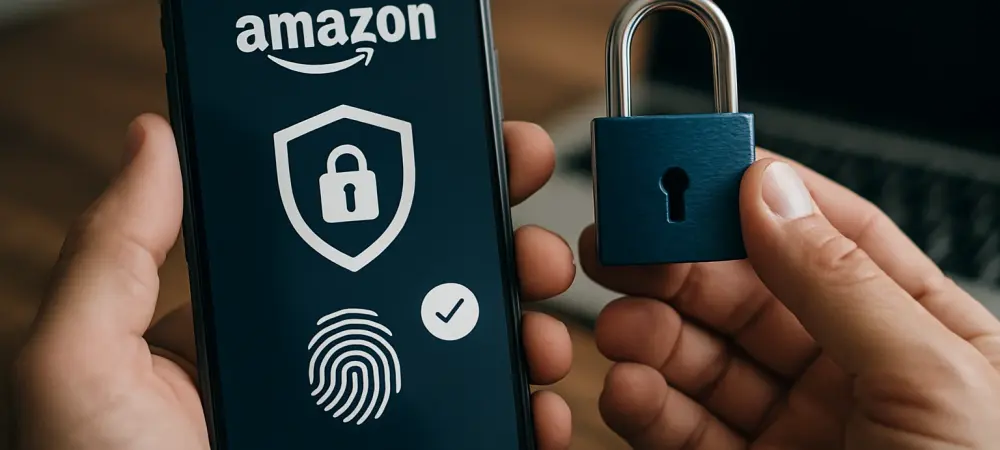
Imagine receiving an email from Amazon promising a hefty refund for a purchase you don’t quite remember making, and feeling urged to act immediately by clicking on a login page that looks strikingly familiar. Unbeknownst to many, this is a phishing scam designed to steal credentials, and it’s just one of countless threats targeting Amazon accounts today. With cyberattacks on the rise, securing an Amazon account has never been more critical, as personal data and financial information hang in the balance.
This guide dives into the escalating dangers facing Amazon users and outlines best practices to safeguard accounts from malicious actors. From phishing scams to weak password vulnerabilities, the risks are real and growing. By exploring actionable steps like checking compromised credentials and adopting modern security tools, this article aims to empower users to take control of their online safety.
The Growing Threat to Amazon Account Security
Amazon users are increasingly becoming prime targets for cybercriminals exploiting the platform’s vast user base. Sophisticated phishing scams, often disguised as refund offers or account alerts, trick individuals into revealing sensitive information. These attacks have surged in frequency, with some scams showing exponential growth in mere days, highlighting the urgency of addressing account security.
Beyond phishing, credential theft through data breaches poses a significant risk, as stolen passwords are often sold or tested across multiple platforms. The consequences of a compromised account can range from unauthorized purchases to identity theft. Protecting an Amazon account is not just about preserving convenience; it’s about safeguarding personal and financial well-being.
This guide will cover the latest threats, expose the weaknesses of poor password habits, and provide practical solutions. Key areas include the adoption of two-factor authentication (2FA), the transition to passkeys, and other essential measures to fortify account defenses. Staying ahead of cybercriminals requires proactive steps, and the following sections offer a roadmap to achieve that.
Why Password Security Matters More Than Ever
The landscape of cyber threats has evolved dramatically, with phishing attacks impersonating Amazon becoming a dominant concern. These scams often lure users with promises of refunds or urgent account updates, leading to fake login pages that harvest credentials. Such deceptive tactics exploit trust in the brand, making it imperative to prioritize robust security practices.
Weak or reused passwords compound the problem, as they are easily exploited by hackers. Research indicates that a staggering percentage of breaches stem from inadequate password choices, with many users recycling the same credentials across multiple sites. This habit creates a domino effect, where one compromised account can unlock access to others, amplifying the potential damage.
Focusing on password security brings tangible benefits, including the protection of sensitive information and prevention of financial losses. It also offers peace of mind, knowing that personal data is shielded from prying eyes. Strengthening passwords and adopting additional safeguards are not optional in today’s threat environment; they are essential steps for every Amazon user.
Key Steps to Protect Your Amazon Account
Securing an Amazon account demands a multi-layered approach, combining vigilance with modern tools to counter sophisticated threats. The following best practices are designed to address vulnerabilities and build a strong defense against unauthorized access. Each step is grounded in real-world data and expert recommendations, ensuring relevance and effectiveness.
From identifying compromised credentials to enabling advanced authentication methods, these guidelines offer clear, actionable advice. The goal is to equip users with the knowledge and resources needed to protect their accounts. By implementing these measures, individuals can significantly reduce the risk of falling victim to cybercrime.
The importance of these steps is underscored by alarming statistics and insights from cybersecurity professionals. With hackers constantly refining their tactics, staying informed and proactive is the best way to stay safe. The subsequent sections break down specific actions to take, complete with examples to illustrate their impact.
Check If Your Password Is Compromised or Common
One of the first steps in securing an Amazon account is determining whether the current password is at risk. Hackers often rely on lists of commonly leaked or predictable passwords, published by cybersecurity firms, to gain unauthorized access. These lists frequently include simple combinations like keyboard patterns or personal details such as pet names, which are easily guessable. Using online tools or services to check for compromised credentials can reveal if a password has been exposed in a data breach. Many platforms offer free scans to identify whether login information appears on the dark web or in hacker databases. Taking a few minutes to perform this check can uncover hidden vulnerabilities before they are exploited.
The dangers of using a weak or common password cannot be overstated, as it provides an open door for attackers. A hypothetical scenario illustrates the risk: a user with a reused, predictable password finds their Amazon account hacked, leading to unauthorized purchases and stolen personal data. Avoiding such outcomes starts with verifying the strength and uniqueness of credentials.
Enable Two-Factor Authentication (2FA) Immediately
Adding an extra layer of security through two-factor authentication is a critical measure for protecting an Amazon account. This feature requires a second form of verification, such as a code sent to a mobile device, in addition to the password. To enable it, users can navigate to the security settings in their Amazon account and follow the prompts to set up 2FA. The mechanism behind 2FA makes it significantly harder for attackers to gain access, even if they possess the password. By demanding a unique, time-sensitive code or biometric confirmation, it acts as a formidable barrier against unauthorized logins. Amazon strongly advocates for this feature, recognizing its role as a vital defense against cyber threats.
Consider a real-life-inspired example where 2FA thwarted a phishing attempt. A user, deceived by a fake Amazon email, entered their password on a fraudulent site, but the attacker’s efforts were halted when they couldn’t provide the second verification factor. This demonstrates how 2FA can prevent disaster, making it a non-negotiable step for account protection.
Adopt Passkeys for Passwordless Protection
Passkeys represent a revolutionary shift toward phishing-resistant, user-friendly authentication, and Amazon has rolled them out to millions of users. Unlike traditional passwords, passkeys rely on cryptographic keys tied to a device, eliminating the need to remember complex strings. Setting them up involves linking a device or authenticator app through Amazon’s security settings. The advantages of passkeys are numerous, including faster logins and a higher success rate compared to passwords. Industry data highlights their effectiveness, showing a near-perfect login success rate, far surpassing traditional methods. They also mitigate phishing risks, as they cannot be stolen through fake websites or deceptive emails.
However, users must be aware of potential “downgrade attacks,” where attackers exploit fallback password options if they remain active. A success story inspired by broader industry trends shows how a large user base experienced improved security and convenience after adopting passkeys. Transitioning fully to this technology is a forward-thinking move to eliminate password-related risks.
Use a Password Manager for Strong, Unique Credentials
Managing strong, unique passwords for every account can be daunting, but password managers offer a practical solution. These tools generate complex credentials and store them securely, ensuring that no two accounts share the same password. Reputable password managers can be easily integrated with Amazon logins, streamlining the process of maintaining robust security. Choosing a trusted password manager involves looking for features like encryption and cross-platform support. Cybersecurity experts often recommend combining these tools with multi-factor authentication for optimal protection. This combination creates a formidable shield against breaches, addressing both password strength and access control.
An illustrative example underscores their value: a user who relied on a password manager avoided widespread damage when a single account was targeted, as unique credentials prevented the attack from spreading. Adopting such a tool is a straightforward yet powerful way to enhance security across all online platforms, including Amazon.
Final Thoughts and Recommendations
Reflecting on the journey through Amazon account security, it becomes evident that the threats of phishing and credential theft demand immediate attention. Each best practice, from checking compromised passwords to embracing passkeys, plays a crucial role in fortifying defenses against cybercriminals. The adoption of these measures proves to be not just a precaution but a necessity in an era of relentless digital attacks.
Looking ahead, users are encouraged to regularly audit their security settings and stay updated on emerging tools and threats. Exploring additional resources, such as Amazon’s own security advisories, offers a pathway to deeper understanding and preparedness. Taking these proactive steps ensures that accounts remain secure against evolving challenges.
Beyond individual action, the industry’s shift toward passwordless solutions hints at a broader transformation in online security. Engaging with this trend by experimenting with passkeys or other innovations positions users at the forefront of protection. Staying vigilant and adaptable remains the cornerstone of safeguarding personal data in a dynamic cyber landscape.