

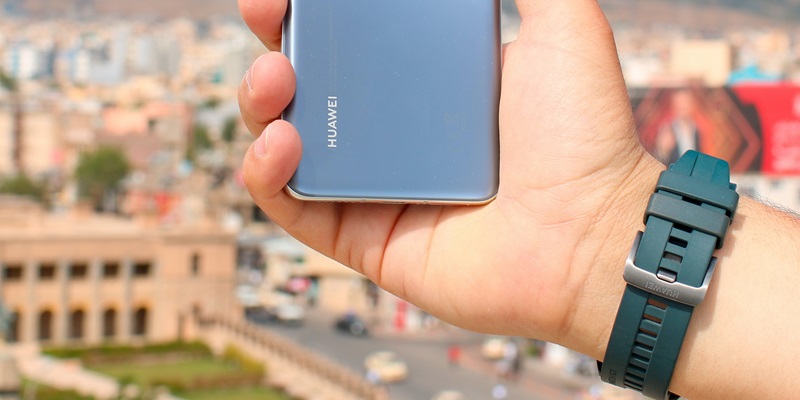
The highly anticipated Huawei Nova 11 SE is set to make its debut on tomorrow, October 31st. The smartphone has already generated a significant amount of buzz among smartphone enthusiasts after being teased in promotional materials earlier this week. With its powerful specifications and attractive price tag, the Nova 11 SE promises to be a game-changer in the smartphone market.
Specifications
According to a benchmark listing, the Nova 11 SE with the model number BON-AL00 will feature the latest Android 12 operating system, providing users with a seamless and intuitive user experience. The smartphone will also come equipped with a generous 8GB of RAM, ensuring smooth multitasking and efficient performance.
The Nova 11 SE boasts an octa-core CPU configuration similar to the Snapdragon 680. It consists of four 2.4 GHz cores and four 1.9 GHz cores, delivering impressive processing power that can handle both basic tasks and resource-intensive applications effortlessly. Users can expect a lag-free experience even when running multiple apps and graphics-intensive games.
Camera Capabilities
One of the standout features of the Nova 11 SE is its impressive camera setup. The smartphone is expected to sport a remarkable 108 MP main camera, capturing stunning details and vibrant colors in every shot. Whether it’s capturing breathtaking landscapes or taking professional-quality portraits, users can rely on the Nova 11 SE to deliver exceptional image quality.
For selfie enthusiasts, the smartphone will come equipped with a 32 MP front-facing camera, ensuring that every self-portrait and group photo captures individuals’ best features. The Nova 11 SE aims to revolutionize the way users capture and share their precious moments.
In terms of design, the Nova 11 SE will feature a sleek and slim profile, measuring a mere 7.39 mm in thickness (excluding the camera bumps). This slim form factor, coupled with its lightweight construction, ensures comfortable handling and easy portability.
The smartphone will also sport a visually appealing design, featuring an edge-to-edge display with minimal bezels. This immersive screen experience will allow users to enjoy their favorite content, such as videos and games, in stunning detail and vibrant colors.
Pricing and Availability
Tomorrow, Huawei will officially announce the pricing and availability of the Nova 11 SE. Industry experts anticipate that Huawei will maintain its reputation for offering smartphones at affordable price points, making the Nova 11 SE an attractive option for budget-conscious consumers. With its impressive specifications and competitive pricing, the Nova 11 SE has the potential to disrupt the market and challenge other major smartphone brands.
Global Launch Speculation
Interestingly, there are rumors suggesting that the Nova 11 SE may also be launched internationally. While this remains unconfirmed, it is not uncommon for Huawei to expand its smartphone offerings to global markets. If the Nova 11 SE does have an international launch, it could quickly gain popularity and compete with other mid-range smartphones worldwide.
As the official launch of the Huawei Nova 11 SE approaches, anticipation continues to build among tech enthusiasts and smartphone users. With its powerful specifications, including Android 12, 8 GB of RAM, impressive camera capabilities, and attractive design, the Nova 11 SE promises to be a smartphone that punches above its weight. If the expected affordable price tag holds true, Huawei may have a winner on its hands. Users around the world are eagerly awaiting the opportunity to get their hands on this powerful yet affordable smartphone option, and tomorrow’s announcement will shed light on its availability and pricing details.