

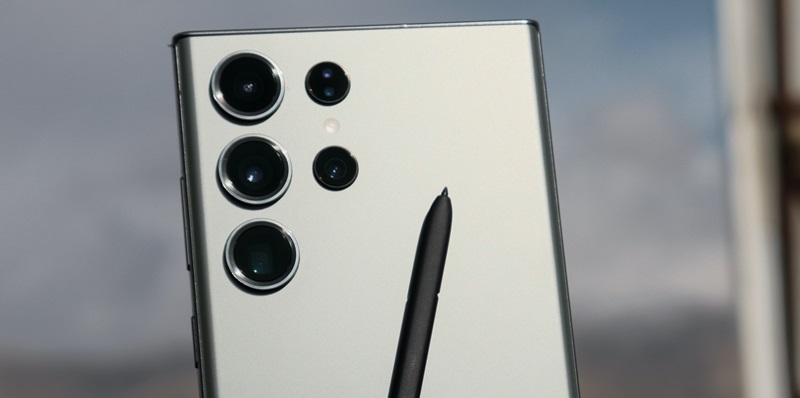
Samsung is set to make waves in the smartphone industry once again with the expected launch of its highly anticipated Galaxy S24 series. Among the lineup, the Samsung Galaxy S24 Ultra has garnered significant attention for its advanced features and innovative specifications. In this article, we will delve into the various aspects of the Galaxy S24 Ultra, including its camera capabilities, display features, performance specifications, and battery prowess.
Camera Specifications
The Samsung Galaxy S24 Ultra is rumored to feature a groundbreaking quad-camera setup. The primary sensor is expected to be an impressive 200-megapixel lens, allowing users to capture stunningly detailed photos with exceptional clarity. Complementing the primary sensor, a 12-megapixel sensor coupled with an ultra-wide lens will provide a wider field of view for panoramic shots. Additionally, a 50-megapixel sensor with a 5x telephoto lens and a 10-megapixel sensor with a 10x telephoto lens is anticipated to offer users enhanced optical zoom functionality. Notably, the rear camera system will support 8K video recording and benefit from optical image stabilization (OIS) for steady, professional-grade videos.
Display Features
The Galaxy S24 Ultra aims to revolutionize the smartphone display experience with its cutting-edge panel. The device is expected to boast a peak brightness level of 2,600 nits, setting a new industry standard. This peak brightness level significantly surpasses the 2,000 nits peak brightness of its competitor, the iPhone 15 Pro Max. In comparison, its predecessor, the Galaxy S23 Ultra, offered a peak brightness level of 1,750 nits. The Samsung Galaxy S24 Ultra’s display will deliver vibrant and immersive visuals, ensuring an unparalleled viewing experience for users.
Performance and Storage
Powering the Galaxy S24 Ultra, Samsung is likely to integrate Qualcomm’s Snapdragon 8 Gen 3 chipset. This state-of-the-art processor will deliver exceptional speed and efficiency, enabling users to effortlessly multitask and run demanding applications. To supplement the powerful processor, the device is expected to offer up to 12GB of RAM, ensuring smooth and seamless performance even during intensive tasks. Furthermore, users can expect ample storage options, with the Galaxy S24 Ultra potentially offering up to a staggering 1TB of onboard storage, providing ample room for all their files, apps, and media.
Display and Battery
The Galaxy S24 Ultra is anticipated to feature a gorgeous 6.8-inch QHD+ display. This large, high-resolution panel will enable users to consume content with stunning visual fidelity and sharpness. The display’s refresh rate of 120Hz will ensure a smooth and responsive touch experience, ultimately enhancing the overall usability and fluidity of the device. In terms of battery capabilities, the Galaxy S24 Ultra is poised to house a robust 5,000mAh battery. This sizable battery will offer users extended usage time, allowing them to go through their day without concerns of running out of power. Additionally, rumors suggest the inclusion of a 12-megapixel front camera, further enhancing the device’s photography capabilities.
Samsung’s upcoming Galaxy S24 Ultra is poised to redefine the boundaries of smartphone innovation. With its groundbreaking camera system, offering an impressive megapixel count and 8K video recording with OIS, photography enthusiasts will be delighted. The device’s display features, including its industry-leading peak brightness level and high refresh rate, will undoubtedly provide an unparalleled visual experience. Moreover, its robust performance specifications, vast storage options, and long-lasting battery make it a compelling choice for power users. As the launch date approaches, anticipation builds for the Galaxy S24 Ultra, promising yet another groundbreaking addition to Samsung’s flagship lineup.