

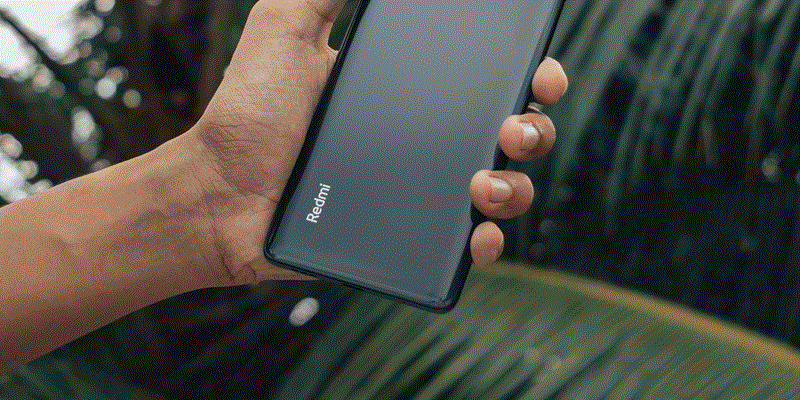
China Telecom has recently shared a wealth of information and official product images of the highly anticipated Redmi Note 13R Pro, giving us a closer look at what this device has to offer. With its sleek design and impressive specifications, Xiaomi’s latest offering is generating a lot of buzz among tech enthusiasts. Let’s delve deeper into the details and features of the Redmi Note 13R Pro.
Is the Redmi Note 13R Pro a rebranded Redmi Note 13?
Upon closer inspection, it appears that the Redmi Note 13R Pro may actually be a rebranded version of the Redmi Note 13. Many of the key characteristics and specifications are identical between the two devices, suggesting that the “Pro” designation may simply be a marketing tactic. While this doesn’t necessarily detract from the device’s appeal, it does raise questions about the need for a separate variant.
Key characteristics shared by the Redmi Note 13 Pro and Redmi Note 13
The Redmi Note 13 Pro and Redmi Note 13 share several fundamental characteristics. Both devices feature a stunning 6.67-inch AMOLED display, boasting a high refresh rate of 120 Hz and a crisp 1080p resolution. This ensures a smooth and visually immersive experience for users, whether they are gaming, watching videos, or browsing the web.
Power to Keep You Going
To keep up with the demands of modern lifestyles, the Redmi Note 13R Pro houses a powerful 5,000 mAh battery. This impressive battery capacity ensures all-day usage without worrying about running out of power. Additionally, the device supports 33W wired charging, allowing for quick and convenient charging when needed.
Reliable Performance
Both the Redmi Note 13R Pro and Redmi Note 13 rely on the MediaTek Dimensity 6080 chipset to handle their processing needs. This chipset is known for its reliable performance and efficient power consumption, ensuring smooth multitasking and a seamless user experience.
Exciting Times Ahead
Mark your calendars because the Redmi Note 13R Pro is set to launch in China on November 20th. The initial configurations include at least 12GB of RAM and 256GB of storage, giving users ample space to store their files, apps, and media.
The Latest MIUI Experience
Running on MIUI 14, based on Android 13, the Redmi Note 13R Pro promises a user-friendly interface, advanced customization options, and access to the latest Android features. With a refined software experience, users can expect smooth navigation and enhanced performance.
Great Value for Money
According to China Telecom, the Redmi Note 13R Pro is listed at a price of CNY 1,999 (~US$275). This competitive pricing makes the device an attractive option for consumers looking for a feature-packed smartphone without breaking the bank.
As of now, it remains unclear whether Xiaomi plans to launch the Redmi Note 13R Pro in markets outside of China. However, based on the specifications and pricing, it is safe to say that this device has the potential to make a significant impact in the mid-range smartphone market. With its impressive display, powerful battery, reliable performance, and user-friendly software, the Redmi Note 13R Pro is a device worth keeping an eye on. Stay tuned for further updates and announcements from Xiaomi as they continue to expand their product offerings.