

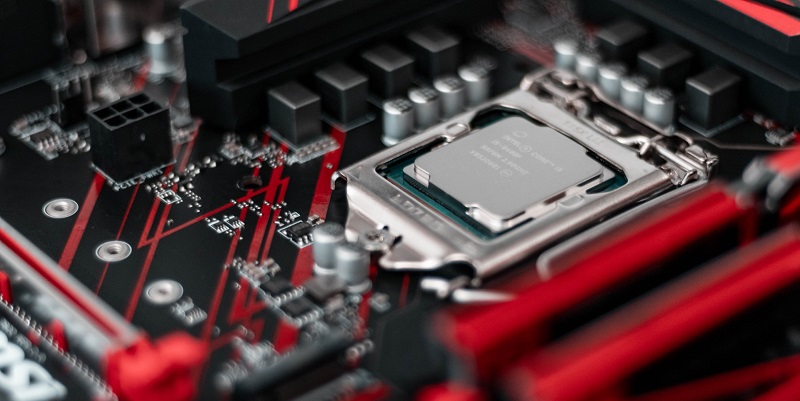
In the realm of high-performance processors, Intel has once again raised the bar with its latest 14th Gen Raptor Lake-S Refresh Desktop lineup. Standing out as the flagships, the Intel Core i9-14900K and Core i7-14700K CPUs offer impressive clock speeds and all-new core configurations. Let’s dive deeper into the capabilities and advancements of these processors.
Overview of the new features and configurations in the 14th Gen Raptor Lake-S Refresh desktop lineup
The 14th Gen Raptor Lake-S Refresh Desktop lineup introduces significant updates compared to its predecessors. These CPUs feature enhanced clock speeds and appealing core configurations. Intel has primarily concentrated on refining the Core i7 series, delivering new core arrangements that promise substantial performance improvements.
Details of the Intel Core i9-14900K CPU
The mighty Intel Core i9-14900K takes center stage in this lineup, featuring an astonishing 24 cores and 32 threads. Built on an 8+16 configuration, this CPU is designed for extreme computing power. With clock speeds reaching up to an impressive 6.0 GHz, the i9-14900K guarantees seamless performance even during the most demanding tasks.
Specifications of the Intel Core i7-14700K CPU
The Intel Core i7-14700K uses an 8+12 core configuration, offering 20 cores and 28 threads. This CPU boasts a base clock speed of 3.4 GHz and a maximum Turbo Boost frequency of 5.6 GHz with TBMT3. These specifications highlight the i7-14700K’s ability to deliver exceptional performance for a wide range of applications, catering to both gaming enthusiasts and content creators.
Performance benchmark results in the BAPCo CrossMark CPU benchmark
To assess the true capabilities of the Intel Core i9-14900K and Core i7-14700K CPUs, they underwent rigorous testing in the BAPCo CrossMark CPU benchmark. These benchmarks provide comparative scores that reflect the CPUs’ performance across various tasks and applications.
Analysis of the benchmark scores
The Intel Core i9-14900K achieved an average overall score of 2265 in the BAPCo CrossMark CPU benchmark. This remarkable outcome highlights the i9-14900K’s ability to handle heavy workloads and resource-intensive applications with exceptional efficiency. On the other hand, the Intel Core i7-14700K recorded an average overall score of 1980, which solidifies its position as a formidable contender in its segment.
Comparison with Other Processors
In a head-to-head comparison with previous-generation processors, the Core i9-13900K and Core i7-13700K scored 2399 and 2222 points, respectively. This places the 14th Gen Raptor Lake-S CPUs ahead of their predecessors, showcasing Intel’s commitment to continuous improvement.
Furthermore, comparative scores reveal that the AMD Ryzen 9 5950X and Ryzen 9 5900X scored 2218 and 2166 points, respectively, in the benchmark. While the Ryzen series has been a formidable competitor, Intel’s latest offerings demonstrate their ability to outperform the competition.
The Intel Core i9-14900K and Core i7-14700K CPUs in the 14th Gen Raptor Lake-S Refresh Desktop lineup redefine high-performance computing. With their increased clock speeds and new core configurations, they demonstrate Intel’s commitment to delivering cutting-edge technology. The BAPCo CrossMark CPU benchmark results affirm their superiority, outperforming previous generation models in terms of overall score. These CPUs offer immense potential for both professional users and avid gamers alike, underscoring Intel’s dedication to pushing the boundaries of desktop computing power.