

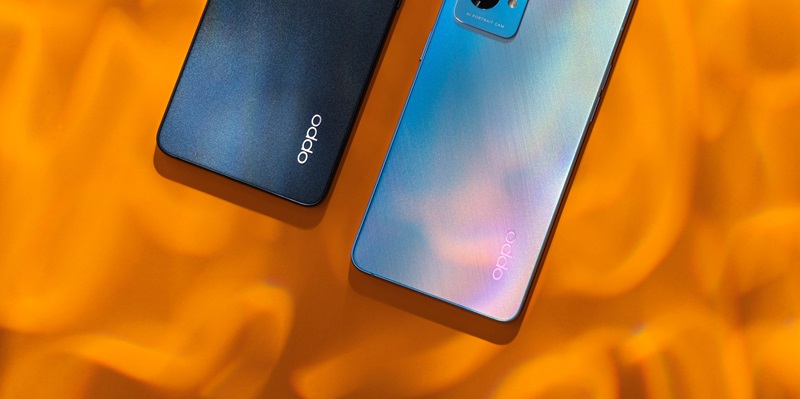
The Oppo A79 5G smartphone has gained attention in the market for its excellent value for the price. Packed with several promising features, it aims to deliver a premium experience without breaking the bank.
Camera
The A79 boasts an “innovative AI camera” and a range of other decent specifications. Oppo has put a lot of effort into enhancing the camera capabilities, ensuring that users can capture stunning photos and videos with ease. This feature, along with the smartphone’s well-rounded specifications, makes it an attractive option for budget-conscious consumers. The 50-megapixel main camera with Samsung ISOCELL JN1 sensor and a 2-megapixel Omnivision OV02B1B depth sensor.
Performance and memory
Under the hood, the Oppo A79 5G is powered by a MediaTek Dimensity 6020 processor, ensuring smooth performance and efficient multitasking capabilities. The 8GB of RAM provides ample room for quick and seamless app switching, while the 128GB of internal memory offers sufficient space for storing all your files, photos, and videos.
Display and sunlight visibility
The Oppo A79 5G features a large 6.72-inch FHD+ LCD waterdrop screen, providing users with an immersive visual experience. Thanks to its Panda Glass protection and 90Hz refresh rate, the display offers clarity and vibrancy. Oppo’s “Sunlight Display” technology enables users to see every detail even in bright sunlight, eliminating the worry of missing important information while outdoors.
Camera capabilities
The A79’s camera setup is one of its standout features. Equipped with a 50-megapixel main camera, it allows users to capture stunning, high-resolution images. Whether you’re taking photos of landscapes or shooting detailed portraits, the Oppo A79 5G’s camera ensures that every shot is worth cherishing. The AI camera features further enhance image quality, providing professional-level results even for novice photographers.
Battery and charging support
To keep up with the demands of the modern user, the Oppo A79 5G comes with a substantial 5,000 mAh battery. This large capacity ensures that you can go about your day without worrying about frequent recharging. Additionally, the 33W SUPERVOOC wired fast charging support enables quick and convenient charging, minimizing downtime.
Additional features and design
In terms of design, the Oppo A79 5G is sleek and stylish, with two attractive color options: Glowing Green and Mystery Black. The smartphone is also IP54 rated, making it splash and dust resistant, providing added durability. Moreover, the side-mounted fingerprint scanner ensures quick and secure access to your device. The presence of dual stereo speakers and a 3.5mm audio jack further enhance the audio experience, allowing users to enjoy their favorite music and videos without compromise.
The Oppo A79 5G is a mid-range smartphone that offers feature-rich options at an affordable price. With its innovative AI camera, powerful processor, ample storage, and stunning display, this device is a solid choice for those looking for a smartphone that exceeds expectations without breaking the bank. The long-lasting battery, fast charging support, and additional features like the fingerprint scanner and dual stereo speakers make the Oppo A79 5G a well-rounded package. Whether you’re a casual user, a photography enthusiast, or a multimedia lover, the Oppo A79 5G delivers on its promises, ensuring a satisfying smartphone experience.