

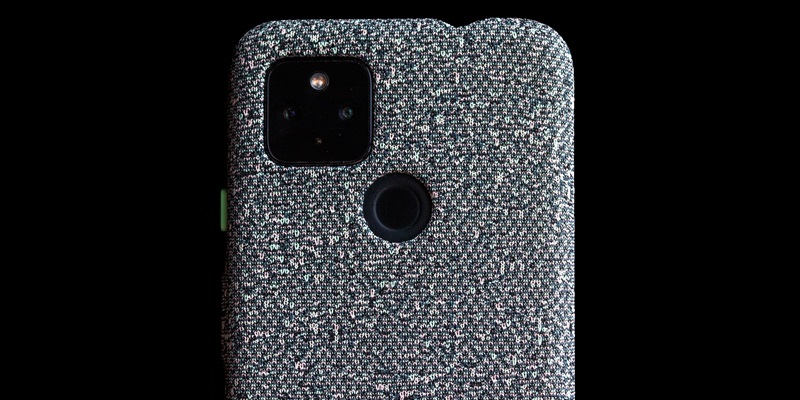
The Google Pixel series has gained a reputation for its exceptional camera capabilities, innovative features, and seamless integration with Google’s software ecosystem. Amongst the highly anticipated releases from Google, the Google Pixel 4 XL is generating a lot of buzz. In this article, we will delve into the speculated release date, camera capabilities, software enhancements, and the overall appeal of this flagship smartphone.
Release Date
The exact release date of the Google Pixel 4 XL has not been officially announced by Google. However, based on previous release patterns, industry insiders speculate that the Pixel 4 XL will likely be unveiled in October 2022. This aligns with Google’s past launches, offering users a highly anticipated device just in time for the holiday season.
Camera Capabilities
One of the most exciting aspects of the Google Pixel 4 XL is its rumored improved camera system. Combining hardware and software advancements, the Pixel 4 XL is expected to incorporate advanced computational photography techniques, allowing users to capture stunning images in any lighting condition. With previous Pixel models already praised for their camera capabilities, this new iteration promises to be even better.
Apart from its camera prowess, the Google Pixel 4 XL is also rumored to introduce new software enhancements and AI-driven features. These advancements are expected to further improve the overall user experience. With Google’s emphasis on machine learning and artificial intelligence, users can expect intuitive features that anticipate their needs and provide a seamless smartphone experience.
The Google Pixel 4 XL caters to a wide range of users. For photography enthusiasts, its advanced camera capabilities make it an appealing choice. The combination of computational photography techniques, hardware improvements, and the inclusion of various camera features allows professionals to capture stunning shots with ease. Additionally, power users who demand high-performance smartphones will appreciate the Pixel 4 XL’s powerful hardware and smooth user interface.
Must-Have Device
After discussing the release dates, features, and specifications of the Google Pixel 4 XL, it’s clear that this flagship smartphone is a must-have for tech enthusiasts. Its advanced camera capabilities, powerful performance, and seamless integration with Google’s ecosystem make it a standout device in the market. Whether you are a professional photographer looking for top-of-the-line camera features or a multitasker in need of a smooth user experience, the Google Pixel 4 XL has you covered.
Seamless User Experience
Multitaskers who require a smooth and intuitive user experience will find solace in the Google Pixel 4 XL. Its powerful hardware, coupled with Google’s optimized software, ensures efficient performance and quick responsiveness. Whether it’s switching between multiple apps or running computationally intensive tasks, the Pixel 4 XL can handle it all. Furthermore, its seamless integration with Google’s ecosystem offers users a cohesive experience across devices, allowing them to easily access and sync their information.
Redefining Mobile Technology
With its cutting-edge features and powerful performance, the Google Pixel 4 XL has the potential to redefine the boundaries of mobile technology. From its advanced camera capabilities to its software enhancements, this smartphone pushes the limits of what a smartphone can offer. It sets a new standard for flagship devices and demonstrates Google’s commitment to innovation and user-centric design.
The Google Pixel 4 XL is undoubtedly a device worth considering. Its rumored advanced camera capabilities, coupled with its seamless user experience, make it a standout choice in the competitive smartphone market. Whether you are a photography enthusiast, a power user, or someone who values a top-notch smartphone experience, the Google Pixel 4 XL has something to offer. With its release speculated for October 2022, keep an eye out for this highly anticipated flagship device from Google.