

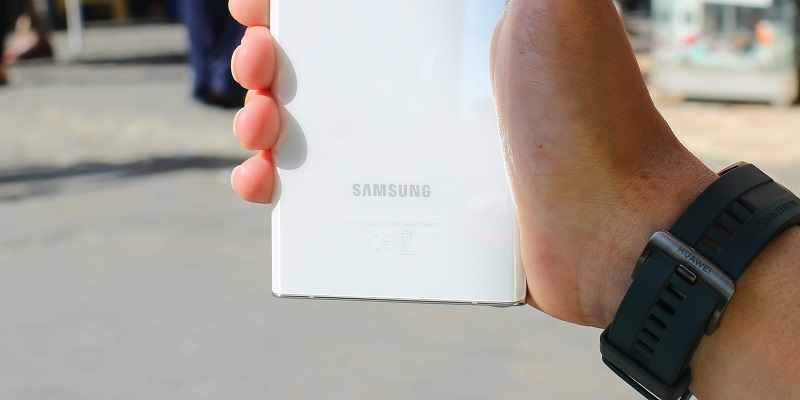
Leaked official renders of the highly anticipated Samsung Galaxy S23 FE have surfaced, showcasing its striking design similarity to the flagship Galaxy S23. With promising features and a sleek aesthetic, this upcoming device has generated significant excitement among tech enthusiasts. Let’s dive into the details revealed by these leaks.
Design details
The leaked renders portray the Samsung Galaxy S23 FE as a stunning black phone with a sleek and modern design. It features a flat display, avoiding the curved edges found on some flagship models. A single hole-punch design is incorporated, discreetly housing the front-facing camera. This minimalist approach ensures a bezel-less viewing experience, perfect for immersive content consumption. On the rear, a trio of cameras has been strategically placed, showcasing Samsung’s commitment to capturing high-quality images.
Expected Specifications
The Samsung Galaxy S23 FE is expected to offer top-tier performance, thanks to its processor options. Depending on the region of purchase, customers can choose between a Qualcomm Snapdragon 8 Gen 1 or an Exynos 2200 processor. Complemented by 8GB of RAM, this device aims to deliver seamless multitasking and smooth operation. Storage options include 128GB or 256GB, allowing users ample space for their apps, files, and media.
In terms of photography capabilities, rumors suggest that the Galaxy S23 FE will feature a powerful 50-megapixel main camera. This high-resolution sensor promises stunning detail and clarity in captured images. The device will also boast a vibrant and sizable 6.3-inch display, offering immersive visuals for gaming, streaming, and browsing. Furthermore, the inclusion of 5G connectivity ensures blazing-fast internet speeds and an enhanced overall user experience.
Please provide a source for the leak
The leaked official renders were initially shared by The Tech Outlook, causing a stir within the tech community. Interestingly, these images surfaced amidst the hype surrounding the latest iPhone release, capturing the attention of Samsung enthusiasts and diverting some attention from Apple’s offerings.
Design similarity with Galaxy S23
The leaked renders of the Samsung Galaxy S23 FE undeniably depict a design that closely resembles its flagship counterpart, the Galaxy S23. The device’s sleek black colorway further enhances its appeal, exuding a premium and sophisticated look. With this design continuity, Samsung enthusiasts can expect the same elegant aesthetic and build quality that are characteristic of the Galaxy S23 series.
Uncertainty of Announcement Date
Although leaks have provided a glimpse into the Samsung Galaxy S23 FE’s specifications and design, its official announcement date remains uncertain. Samsung has yet to disclose when they will unveil this highly anticipated device. Fans and industry experts eagerly await further information from the company regarding its release schedule and availability.
Possibility of an Earlier Release
Interestingly, an unnamed Samsung phone has been listed as “coming soon” on Indian retailer Flipkart’s website. Speculation suggests that this could potentially be the Galaxy S23 FE, hinting at an earlier debut than initially anticipated. If true, Samsung enthusiasts may have the opportunity to experience the device earlier than the expected October launch timeframe.
The leaked official renders of the Samsung Galaxy S23 FE have given us a glimpse into its design, which remarkably mirrors that of the flagship Galaxy S23. With a sleek black appearance, a flat display, and a trio of rear cameras, the device exudes sophistication and promises impressive performance. While the exact announcement date remains unknown, the leaks and retailer listing indicate the possibility of an earlier debut. Samsung fans eagerly await further updates, as this device holds great potential for those seeking a premium smartphone experience.