

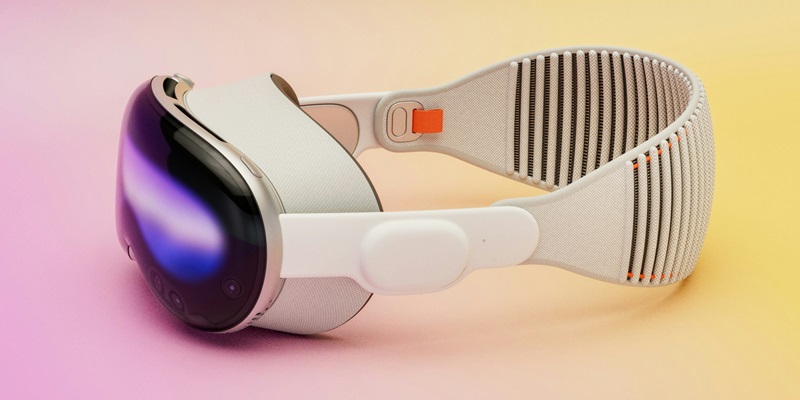
OpenAI, a leading research organization in advanced artificial intelligence (AI) models, has unveiled its groundbreaking ChatGPT app designed specifically for the Apple Vision Pro, an innovative augmented reality headset introduced by Apple last month. This new ChatGPT app provides users with the ability to have dynamic conversations with OpenAI’s latest and most advanced natural language processing system, GPT-4 Turbo.
Importance of the Launch
The launch of ChatGPT for Vision Pro represents a momentous achievement for OpenAI, as it marks a significant milestone in their mission to create AI systems that ultimately benefit humanity. Beyond its technological prowess, this development offers a tantalizing glimpse into the future of human-AI interaction – an interaction that is more natural, intuitive, and immersive than ever before.
Enhanced User Experience
Unlike traditional text-based chat interfaces, the near future holds exciting possibilities where users can effortlessly dictate their needs to AI assistants by simply speaking to them or even providing them with real-world images. OpenAI’s ChatGPT app for Vision Pro embodies this vision, paving the way for a more seamless and intuitive AI experience.
Integration with Apple Vision Pro
ChatGPT becomes one of the first among the vast array of over 600 new apps developed for VisionOS, the operating system that powers Apple Vision Pro. Harnessing the remarkable features of the augmented reality headset, including Optic ID, spatial audio, and VisionKit, the ChatGPT app brings forth an unprecedented level of integration and functionality for users.
Advancements in Multimodal AI
ChatGPT’s integration with Vision Pro highlights the industry’s progress in multimodal AI, which enables AI systems to process and comprehend inputs from different modes or modalities. The existing iterations of ChatGPT already demonstrate proficiency in conversing with users using text, images, and voice inputs. This allows for remarkable flexibility and versatility in human-AI interactions, opening up new doors for various applications.
Availability and Subscription Options
Starting today, users of visionOS can access ChatGPT for free, taking advantage of the novel features it offers. However, for advanced functionalities and faster response times, OpenAI also offers an optional subscription called ChatGPT Plus. Subscribers gain access to the specialized features of GPT-4 Turbo and can enjoy an enhanced user experience.
The launch of OpenAI’s ChatGPT app for Apple Vision Pro is a momentous step forward in the realm of human-AI interaction. This innovative app, based on OpenAI’s powerful GPT-4 Turbo, not only demonstrates the cutting-edge capabilities of AI but also presents a glimpse into a future where humans and AI seamlessly collaborate. With its ability to converse naturally, understand multimodal inputs, and enrich the overall user experience, ChatGPT heralds a new era where AI plays an integral role in our daily lives. As OpenAI continues to pioneer advancements in AI technology, the potential for a symbiotic relationship between humans and AI continues to expand, shaping a world where technology truly benefits humanity.