

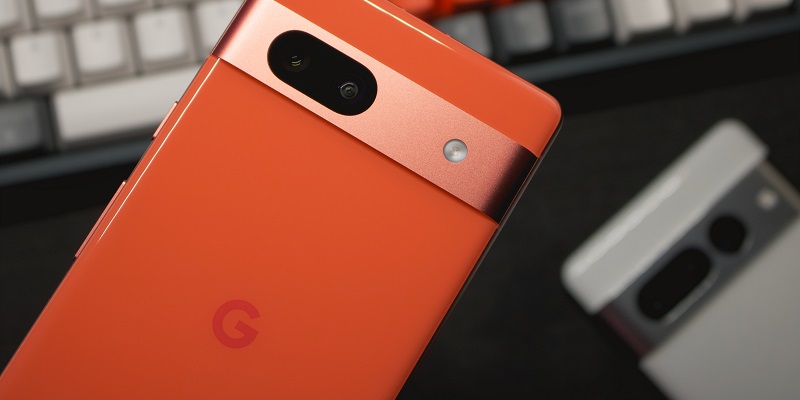
The highly anticipated release of the Google Pixel 8 and Pixel 8 Pro is just around the corner, and exciting new details have emerged from recent leaks. As the tech world eagerly awaits the unveiling in early October, it seems that Google has some exciting surprises in store for its loyal fan base.
Leak Reveals Details about Upcoming Pixel 8 and Pixel 8 Pro Phones
A recent leak has shed light on some key details about the upcoming Google Pixel 8 and Pixel 8 Pro. These leaks, although unofficial, give us a glimpse into what we can expect from these highly anticipated smartphones.
Cost of Pixel 8 higher than its predecessor
Sadly, the leaked information brings some bad news for potential Pixel 8 buyers. It appears that the Pixel 8 will come with a higher price tag, costing $100 more than its predecessor, the Pixel 7. This news might disappoint some fans hoping for a more affordable next-generation device.
Pricing details for Pixel 8 and Pixel 8 Pro
According to the leak, Google will offer the Pixel 8 with different storage configurations, with the base model starting at a minimum price of $699. The Pixel 8 Pro, on the other hand, will retain the same starting price as the current Pixel 7 Pro, coming in at $899.
Specifications of the Pixel 8 and Pixel 8 Pro
Both the Pixel 8 and Pixel 8 Pro are expected to come with Google’s own-designed Tensor G3 chip, promising improved performance and efficiency. However, there will be a notable difference in the RAM capacity, with the Pixel 8 featuring 8GB and the Pixel 8 Pro boasting an impressive 12GB of RAM.
Camera Details for Both Models
Capture enthusiasts will be pleased to know that both models will have impressive camera setups. The Pixel 8 will house a powerful 50-megapixel main shooter, a 12-megapixel ultra-wide lens, and a 10.5-megapixel front-facing camera, perfect for stunning selfies. The Pixel 8 Pro, on the other hand, will take it up a notch with an upgraded 48-megapixel ultra-wide lens, a 48-megapixel 5x telephoto camera, in addition to the same main and selfie cameras as its smaller sibling. These cameras are sure to deliver exceptional image quality and versatility.
Mention of Additional Features in Promo Video
Excitement continues to build as the leaked information also mentions some intriguing features showcased in the promo video. These features include Video Boost, which promises enhanced video recording capabilities, Night Sight for low-light photography, Audio Eraser for removing unwanted noise, and the Magic Editor for fun face swapping in photos. These innovative additions further showcase Google’s commitment to providing a top-notch user experience.
Confirmation of information expected at Google’s October event
While these leaks have generated excitement, fans will have to wait for confirmation of the details during Google’s much-anticipated event on October 4th. The event promises not only the official unveiling of the Pixel 6 and Pixel 6 Pro but also the introduction of other exciting products.
Mention of Other Products, Including the Pixel Watch 2
In addition to the Pixel 8 and Pixel 8 Pro, there are high expectations for other products that Google may introduce during the event. One notable mention is the Pixel Watch 2, which is expected to make its debut alongside the highly anticipated smartphones. With its sleek design and innovative features, the Pixel Watch 2 might just be the perfect companion for tech-savvy users.
With leaked details hinting at incredible features, the upcoming release of the Google Pixel 8 and Pixel 8 Pro has smartphone enthusiasts buzzing with excitement. From improved camera capabilities to powerful processors and innovative features, it’s clear that Google is aiming to deliver a smartphone experience like no other. As we eagerly await the official confirmation of these details, it’s safe to say that the Pixel 8 series could set a new benchmark for premium smartphones.