

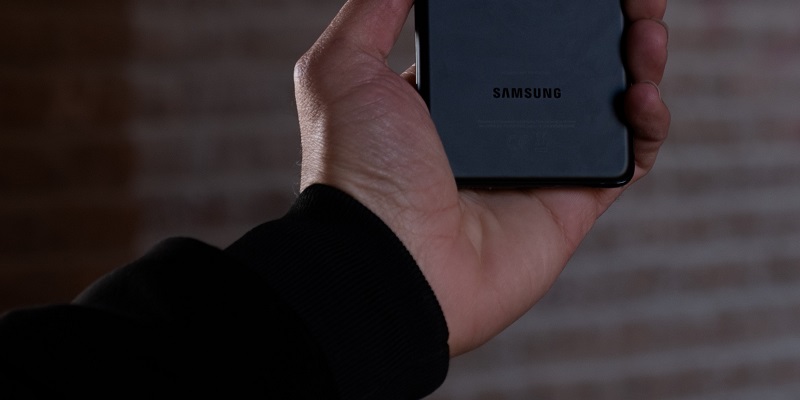
A set of recently leaked renders has given us a glimpse into the highly anticipated Samsung Galaxy S24. These renders suggest that Samsung’s upcoming flagship phone will sport a fresh design, departing from the rounded edges seen in its predecessors, and instead adopting a modern flat-edged look. With an expected release window in early 2024, excitement is building around the Galaxy S24’s features and specifications.
The leaked renders showcase the back of the Galaxy S24, which bears striking similarities to the previous Galaxy S23 model. The iconic vertically-aligned rear camera setup remains intact, emphasizing Samsung’s commitment to a sleek and functional design. However, the most noticeable design departure is the inclusion of metal sides on the Galaxy S24, reminiscent of recent iPhone models. This alteration gives the S24 a polished and premium aesthetic, setting it apart from its predecessors.
UWB Antenna Placement
One interesting design choice revealed by the renders is the presence of an ultra-wideband (UWB) antenna on the side of the Galaxy S24. Unlike previous Galaxy handsets, where the UWB antenna was discreetly integrated within the phone, the S24’s antenna will be noticeably visible on the outside. This change suggests Samsung is leveraging UWB technology to enhance connectivity and enable fast and precise data transfer.
Similar Dimensions
When it comes to size, the Galaxy S24 is expected to be almost identical to its predecessor, the Galaxy S23. The leaked render suggests that the dimensions of the S24 will be approximately 147 by 70.5 by 7.6mm, maintaining a slim and compact form factor. This continuation in dimensions indicates that users can expect a comfortable and familiar feel when holding the S24.
Display Specification
According to the leaks, the Galaxy S24 will feature a 6.1-inch AMOLED display with a 120Hz refresh rate. This display specification remains largely unchanged from its predecessor, indicating that Samsung is focusing on refining the user experience rather than dramatically altering the visual capabilities. With vibrant colors and smooth animations, the Galaxy S24’s display is poised to deliver an immersive and captivating viewing experience.
Leaked Renders for Galaxy S24 Plus
In addition to the Galaxy S24, leaked renders for the Galaxy S24 Plus have also surfaced. Created in collaboration with GizNext, these renders mirror the design aesthetics of the standard S24 model. Like the S24, the S24 Plus boasts striking metal sides, further emphasizing a premium and sophisticated appearance.
Comparison of Dimensions
The leaked renders provide us with a glimpse into the possible dimensions of the Galaxy S24 Plus, estimating it to be 158.5 by 75.9 by 7.75mm. Strikingly similar to the dimensions of last year’s S23 Plus (157.7 by 76.2 by 7.6mm), this suggests that Samsung is maintaining consistency in size and form factor between iterations of their flagship devices.
The leaked renders of the Samsung Galaxy S24 and S24 Plus offer tantalizing details about the upcoming flagship phones. With a departure from the rounded edges, the S24’s flat-edged design and metal sides bring a fresh and premium aesthetic to the table. The presence of an external UWB antenna signifies potential advancements in connectivity. Furthermore, the similarity in dimensions and display specifications between the Galaxy S24 and its predecessor hints at a refinement of the user experience rather than radical changes. As anticipation for the official release of the Galaxy S24 intensifies, consumers eagerly await the confirmation of these leaks and the unveiling of Samsung’s latest cutting-edge technology.