

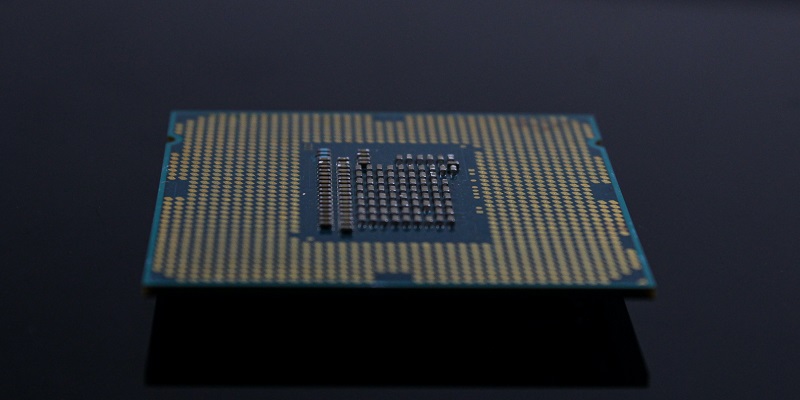
Intel’s Core i9-14900KF flagship processor has caused a stir with a recently leaked benchmark result, showcasing its single-core performance. While the results are impressive, the multi-threaded performance leaves something to be desired. In this article, we will delve into the details of this leaked benchmark and analyze what it means for Intel’s upcoming processor.
Single-Core Performance
The leaked PassMark benchmark reveals that the Core i9-14900KF achieved a single-thread result of 4,939, surpassing its predecessor, the 13900K, which scored 4,666. This represents a nearly 6% improvement in single-core performance for the 14900KF. This boost can be credited to its faster maximum boost speed of 6GHz, compared to the 5.8GHz of the current Raptor Lake flagship.
Multi-Threaded Performance
While the single-core performance of the Core i9-14900KF is commendable, the multi-threaded performance paints a different picture. According to the PassMark benchmark, the 14900KF is essentially on par with the 13900K, with only a marginal difference of less than 1%. This lack of improvement in multi-threaded performance is somewhat puzzling, considering the substantial increase in single-thread performance.
Interpretation and Analysis of Results
It is crucial to approach these leaked benchmark results with caution. As a single source, it is wise not to place undue weight on their findings. Other leaks, such as those from Geekbench, have suggested potential multi-threaded gains for the Core i9-14900KF. Therefore, it is essential to reserve judgment until more comprehensive and reliable information becomes available.
While the lack of significant multi-threaded improvement is unexpected, it is reasonable to expect some increase in multi-core performance from Intel’s flagship processor. Nonetheless, rumors circulating in the technology industry indicate that Raptor Lake Refresh, including the 14th-gen desktop processors, may offer only modest advancements compared to their predecessors.
Lack of Raptor Lake Refresh mention at innovation event
Notably, Intel did not mention Raptor Lake Refresh at its recent Innovation event. This omission raises eyebrows and could be seen as an indication of a potential lack of substantial changes and improvements with this generation of processors. It departs from the usual practice of highlighting upcoming flagship products during such events.
The leaked benchmark showcasing the Core i9-14900KF’s single-core performance is undoubtedly impressive. However, it is crucial to approach this leaked information with skepticism and await additional corroborating evidence. The lackluster multi-threaded performance raises questions and warrants further investigation.