

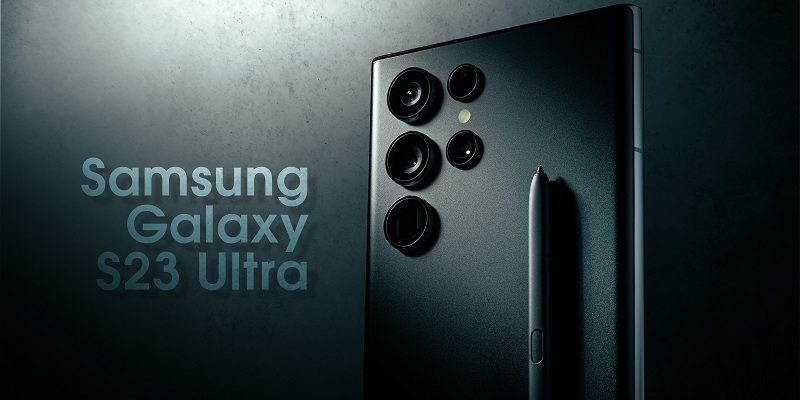
Galaxy S23 users have been eagerly awaiting the latest software update from Samsung, hoping for an enhanced user experience and exciting new features. However, a surprising turn of events occurred when users received what seemed to be the third One UI 6.0 Beta release. In this article, we explore the details surrounding this accidental update and delve into Samsung’s recommendation to erase it.
One UI 6.0 Update Details
The One UI 6.0 update comes bundled with a new Android build, bringing a plethora of improvements and optimizations to the Galaxy S23 devices. Both beta versions and the final stable release will include this update, promising a refined and immersive user experience. Users anticipated these updates eagerly, hoping for enhancements to performance, battery life, and the user interface.
One UI 6.0 Beta Release in Germany and the UK
To the surprise of Galaxy S23 owners in Germany and the UK, the latest One UI 6.0 Beta release was made available to their devices. This caused excitement among users, who hoped to experience new features and improvements firsthand. The unexpected rollout sparked speculation about its purpose and potential bug fixes from the previous release.
Build Number Analysis
With the release of the build number ZWI4, users began analyzing its significance. The inclusion of the letter ‘I’ in the build number indicated that the update was developed in September. This information led many to believe that the update may have been a hotfix aimed at resolving issues that arose from the earlier release. It seemed plausible, considering Samsung’s history of providing hotfixes for their software updates.
Accidental Release Confirmed
In a surprising turn of events, a Samsung community moderator shed light on the situation, revealing that the ZWI4 update was indeed not intentional. It was an accidental release, catching both users and the company off guard. This revelation left users perplexed, wondering why a mistaken release occurred and what it meant for their devices.
Samsung’s Recommendation to Erase the ZWI4 Update
In light of the accidental nature of the ZWI4 update, Samsung swiftly responded and advised users to erase it from their devices. This precautionary measure was taken to ensure the integrity and stability of the Galaxy S23 devices. While it may have disappointed some users who had already started exploring the features of the accidental release, Samsung prioritized their customers’ experience and promptly rectified the situation.
Anticipation for One UI 6.0 Beta 3
Despite the accidental release and the subsequent recommendation to remove the ZWI4 update, Galaxy S23 users eagerly await the arrival of the regularly scheduled One UI 6.0 Beta 3. This upcoming update promises to bring fixes, optimizations, and potentially new features to further enhance the user experience. Samsung aims to provide the best possible software experience to its loyal customer base and looks forward to delivering the third Beta release as planned.
The accidental release of the One UI 6.0 Beta update for Galaxy S23 devices surprised users and sparked intrigue and discussions about its purpose. Samsung’s prompt response in recommending its removal reflected their commitment to ensuring a seamless software experience. As users await the eagerly anticipated One UI 6.0 Beta 3, they can rest assured that Samsung is committed to delivering the best possible features and optimizations to enhance the Galaxy S23 user experience.