

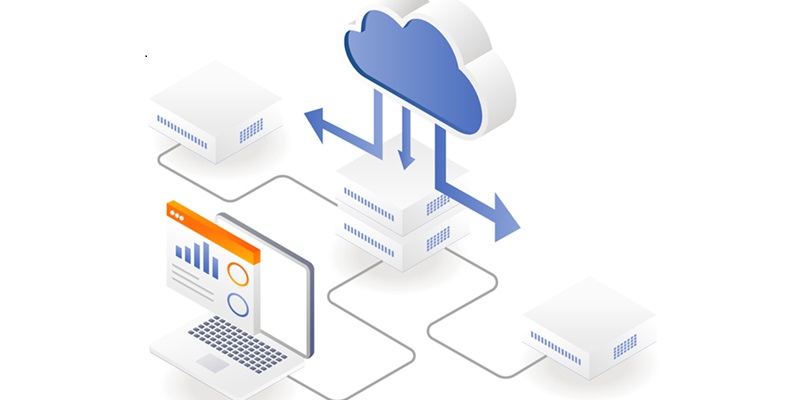
In today’s data-driven world, cloud services play a vital role in enabling organizations to harness the power of data analytics. However, managing data analytics in a multi-cloud environment can present various challenges. To address these challenges and unlock the full potential of multi-cloud data analytics, organizations must prioritize cloud services that adhere to open standards and advocate for industry-wide interoperability initiatives.
The Importance of Open Standards in Cloud Services
Embracing cloud services built on open standards ensures compatibility and reduces the risk of vendor lock-in. Open standards enable seamless integration and collaboration across different cloud platforms, making data transfer and analytics more efficient.
Advocating for Industry-Wide Interoperability Initiatives
Collaborative efforts are crucial for driving interoperability among cloud providers. Organizations should actively support initiatives that promote open APIs and standardization, fostering an ecosystem where data can flow seamlessly between different cloud services.
Difficulties in Transitioning Between Cloud Providers
Organizations may face challenges when attempting to transition from one cloud provider to another due to vendor-specific features or tools. This can restrict the ability to choose more cost-effective or suitable solutions, ultimately resulting in increased switching costs.
Restricting the Ability to Choose Cost-Effective Solutions
Vendor lock-in can limit an organization’s flexibility and hinder its ability to choose the most cost-effective solutions available in the market. By adopting open standards and prioritizing interoperability, organizations can mitigate the risks associated with vendor lock-in and make informed decisions.
Switching Costs Associated with Specialized Features or Tools
Utilizing specialized features or tools from one cloud provider may lead to difficulties when transitioning to another provider. These switching costs can include not only financial implications but also time, effort, and potential disruptions to ongoing data analytics processes.
Embracing a multi-cloud strategy
Favoring Standardized Technologies and Open APIs: A multi-cloud strategy should be adopted, favoring standardized technologies and open APIs. This approach enables organizations to distribute workloads across multiple cloud providers, reducing dependency on a specific vendor’s ecosystem.
Distributing Workloads Across Multiple Cloud Providers
By distributing workloads across multiple cloud providers, organizations can avoid over-reliance on a single vendor and improve resilience. This approach enables the utilization of different platforms and the flexibility to choose the most suitable provider for each workload.
Avoiding Dependency on a Specific Vendor’s Ecosystem
A key benefit of a multi-cloud strategy is reducing dependence on a specific vendor’s ecosystem. This allows organizations to leverage the strengths of different cloud providers and avoid potential limitations or constraints imposed by a single vendor.
Implementing Centralized Cloud Cost Management Tools
To effectively manage costs in a multi-cloud environment, organizations should implement centralized cloud cost management tools. These tools provide a comprehensive view of expenses across different cloud providers, helping identify potential areas for optimization.
Monitoring Expenses Across Multiple Providers
Regular monitoring of cloud expenses is essential for maintaining cost efficiency. By closely tracking and analyzing costs across providers, organizations can identify areas of overspending, optimize resource allocation, and make informed decisions to achieve cost savings.
Reviewing and Optimizing Resource Utilization Regularly
Organizations should regularly review resource utilization to identify underutilized or over-provisioned instances. By optimizing resource allocation, organizations can improve efficiency, reduce costs, and ensure optimal performance in their multi-cloud data analytics environment.
Identifying Underutilized or Over-Provisioned Instances
Monitoring resource utilization can help identify instances where resources are underutilized or over-provisioned. By right-sizing resources and making necessary adjustments, organizations can eliminate wastage and maximize the value of their cloud investments.
Conducting Thorough Performance Testing Across Different Cloud Environments
Before deploying data analytics workloads, it is crucial to conduct thorough performance testing to assess the capabilities of each cloud environment. By understanding the strengths and limitations of different providers, organizations can make informed decisions about workload distribution.
Optimizing Queries for Specific Cloud Platforms
Each cloud platform may have particular optimizations or configurations that can enhance performance. By optimizing queries and data processing operations tailored to specific cloud platforms, organizations can leverage the strengths of each provider and achieve better performance in their analytics processes.
Consideration of Workload Distribution Based on Provider Strengths
Workload distribution across different cloud providers should be determined based on each provider’s strengths and capabilities. By strategically distributing workloads, organizations can ensure optimal performance and maximize the potential of their multi-cloud environment.
Utilizing Performance Monitoring Tools
Performance monitoring tools play a crucial role in tracking and analyzing variations in the multi-cloud data analytics environment. By closely monitoring key metrics and performance indicators, organizations can detect bottlenecks, identify areas for improvement, and make timely adjustments.
Tracking and Analyzing Variations
Variations in performance can occur across different cloud providers or due to changes in workload patterns. By analyzing these variations, organizations gain insights into potential bottlenecks or areas that require optimization, enabling proactive resolution and better performance in their multi-cloud environment.
Making Timely Adjustments as Necessary
Performance monitoring empowers organizations to make timely adjustments to optimize their multi-cloud data analytics environment. By promptly addressing issues or adjusting resource allocations, organizations can ensure consistent performance, enhance productivity, and deliver reliable insights.
Adopting Cloud-Agnostic Orchestration Tools and Frameworks
Cloud-agnostic orchestration tools and frameworks are essential for abstracting the underlying differences among cloud providers. These tools provide a consistent and unified interface, facilitating resource management and streamlining operations across multiple cloud environments.
Abstracting Underlying Differences Among Cloud Providers
Cloud-agnostic orchestration tools eliminate the need to manage and adapt to the unique characteristics of each provider. By abstracting the underlying differences, organizations can simplify resource provisioning, scaling, and monitoring, reducing complexity and ensuring consistency.
Consistent Resource Management Across Providers
Cloud-agnostic orchestration tools enable organizations to manage resources consistently across multiple cloud providers. This simplifies governance, streamlines operations, and enhances agility, allowing organizations to leverage the benefits of different cloud environments efficiently.
Implementing Caching Strategies
Caching strategies can help mitigate latency challenges in a multi-cloud data analytics environment. By caching frequently accessed data closer to the analytics process, organizations can reduce the latency associated with data retrieval and enhance overall system responsiveness.
Utilizing Content Delivery Networks (CDNs)
Content Delivery Networks (CDNs) can be employed to distribute data and content closer to end-users. By leveraging CDNs, organizations can reduce data transit times, improve data accessibility, and ensure a more responsive and cost-effective data analytics environment across multiple cloud providers.
Ensuring a More Responsive and Cost-Effective Multi-Cloud Data Analytics Environment
By addressing latency challenges through caching strategies and CDNs, organizations can improve the overall responsiveness of their multi-cloud data analytics environment. This, in turn, leads to enhanced user experiences, faster insights delivery, and optimized resource utilization.
Continuous monitoring is essential for maintaining optimal performance and cost efficiency in a multi-cloud data analytics environment. By continuously monitoring key metrics, organizations can detect potential issues, identify optimization opportunities, and drive ongoing improvements.