

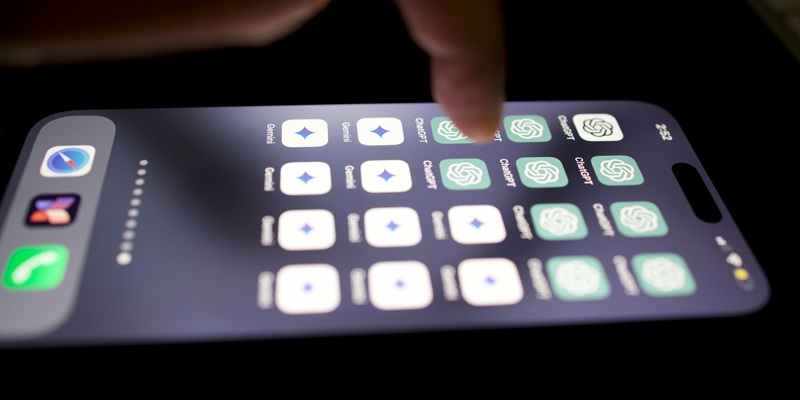
In a world increasingly driven by artificial intelligence, the integration of AI into our daily lives continues to revolutionize the way we interact with technology. One of the most groundbreaking applications of this trend can be seen with ChatGPT, specifically the GPT-4o model, on iPhones. This powerful AI tool is not just another digital assistant; it offers a unique application that significantly enhances our experience with household appliances. Available through the iPhone app, Mac app, or via the web, GPT-4o introduces capabilities that simplify how we use and understand these everyday devices.
Unveiling a New Application: AI for Instruction Manuals
Summarizing and Highlighting Essential Information
One of the most innovative uses for GPT-4o is its ability to process appliance instruction manuals, a task that many people find tedious and often neglect. By uploading these manuals in PDF format to ChatGPT, users can easily request summaries or ask for key points to be highlighted. This feature is particularly beneficial for complex appliances such as dishwashers and washing machines, where the instruction manual can be dense and difficult to navigate. Instead of skimming through pages of text, users can rely on AI to extract the most pertinent information, saving time and minimizing confusion.
For instance, if a user downloads a washing machine manual from the manufacturer’s website and uploads it to ChatGPT, the AI can swiftly summarize the key operating procedures and maintenance tips. This is especially useful for those who might have misplaced their physical manual or want a quick refresher. By leveraging AI to interpret and condense information from these documents, users can ensure they are using their appliances correctly and efficiently, thereby extending the lifespan of their devices and avoiding common pitfalls that arise from misuse.
Enhancing User Confidence and Efficiency
Leveraging ChatGPT for appliance instructions goes beyond mere convenience; it also enhances user confidence and efficiency in operating their household appliances. One of the significant advantages of using GPT-4o is that the information drawn is directly from the manufacturer’s instructions, ensuring accuracy and reliability. This eliminates the guesswork often associated with using appliances without thoroughly understanding their manuals. Users can be confident that the advice provided by the AI is based on the most authoritative source, thereby reducing the likelihood of errors.
For example, suppose a user is unsure about the best settings for a dishwasher to achieve optimal cleaning without damaging delicate items. They can simply ask ChatGPT to highlight the appropriate section from the manual or provide a summary of the best practices. This not only simplifies the user experience but also empowers users with the knowledge needed to make informed decisions. The AI’s ability to deliver straightforward, actionable advice culled from comprehensive manual reading stands out as a significant advancement, offering utility beyond traditional search engines and manual skimming.
The Broader Implications of AI Integration
Elevating Routine Tasks with Advanced Technology
The main theme of integrating GPT-4o into everyday tasks is a testament to how AI can elevate routine activities and improve overall efficiency. By processing documents that users typically neglect, ChatGPT uncovers valuable insights that can significantly enhance user experience. This represents a broader movement towards optimizing everyday tasks through advanced technology, positioning AI as an indispensable tool in modern life. The AI’s thorough reading and ability to provide precise guidance is an advancement that extends its utility beyond conventional search engines and manual reading.
Imagine a scenario where a user wants to maintain their refrigerator at peak efficiency but is overwhelmed by the lengthy manual. By feeding the PDF into ChatGPT, they can quickly get a summarized version or specific instructions on maintenance tasks such as defrosting the freezer or changing filters. This not only saves time but also ensures that the user is following best practices as outlined by the manufacturer, thereby preventing potential issues and extending the appliance’s lifespan.
Addressing Common Pain Points
Another nuanced perspective in the utility of GPT-4o is its potential to address common pain points in appliance use by delivering clear, concise, and actionable advice. This goes beyond merely extracting information; it involves interpreting the information in a way that is most useful to the user. For example, if a user frequently encounters an error code on their oven, they can upload the manual to ChatGPT and ask for an explanation of the error and potential solutions. This instant access to troubleshooting information can make a significant difference in resolving issues quickly and effectively.
Additionally, for individuals who may have difficulty understanding technical language, GPT-4o can translate the complex jargon often found in manuals into more accessible language. This makes the technology inclusive, catering to a broader audience and ensuring that everyone, regardless of their technical expertise, can benefit from the insights provided by ChatGPT. The integration of AI in this manner transforms the way users interact with their appliances, making household management more intuitive and less stressful.
The Future of Household Management with AI
Transforming User Interaction
The integration of ChatGPT into household management exemplifies a future where AI plays a central role in simplifying and enhancing everyday tasks. As users become more accustomed to relying on AI for various aspects of daily life, the potential applications of GPT-4o will likely expand. This technology not only demystifies appliance operations but also introduces a level of precision and efficiency that was previously unattainable. By effectively utilizing instruction manuals, ChatGPT empowers users with enhanced functionality based on authoritative sources, thus streamlining the user experience.
Consider the long-term implications for smart homes, where AI can integrate seamlessly with household appliances to provide real-time support and automated adjustments based on user preferences and behaviors. Imagine a smart home system where GPT-4o communicates with your dishwasher to suggest optimal loading techniques or alerts you when maintenance is needed based on the manual’s guidelines. This kind of proactive management could revolutionize home care, making it more efficient and less time-consuming.
Encouraging Adoption and Innovation
In today’s world, increasingly driven by artificial intelligence, integrating AI into our daily routines is revolutionizing our interaction with technology. A prime example of this trend is evident with ChatGPT, especially the GPT-4o model, now accessible on iPhones. This advanced AI tool transcends the functions of traditional digital assistants, offering unique applications that enhance our interactions with household appliances.
Available through multiple platforms such as the iPhone app, Mac app, or online via the web, the GPT-4o model introduces features that simplify using and comprehending various everyday devices. Imagine your refrigerator alerting you when groceries are running low or your washing machine optimizing cycles based on load type—GPT-4o facilitates these intelligent interactions.
Moreover, the AI’s natural language understanding means users can issue commands or seek information in a conversational manner, making technology more intuitive and user-friendly. The incorporation of GPT-4o exemplifies how AI can transform mundane tasks into seamless and efficient processes, fundamentally altering our engagement with everyday household technology.