

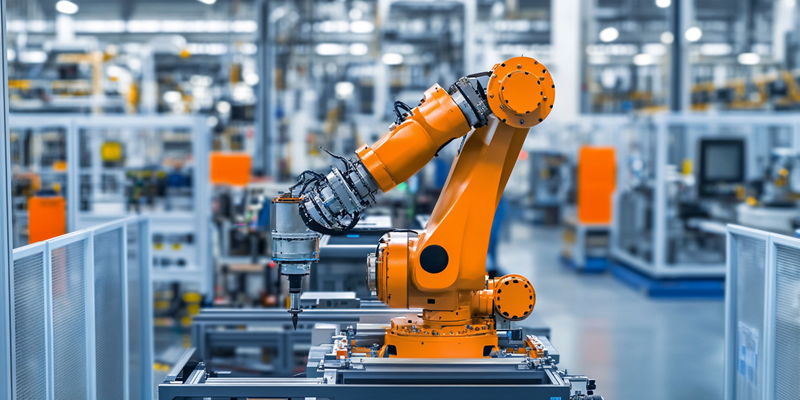
Universal Robots, a pioneer in collaborative robotics, is pushing the boundaries of industrial automation through its innovative UR+ ecosystem. This ecosystem significantly enhances the usability and accessibility of robotics technology across various industries. By integrating AI-powered solutions and focusing on simplifying robotic application deployment, Universal Robots is setting new standards for the industry. The result is a harmonious blend of cutting-edge technology and user-friendly solutions that cater to the evolving needs of businesses—both large and small—seeking to implement automated systems.
Navigating the Initial Complexity of Robotics Deployment
Deploying robotic applications starts with acquiring a robot arm and its corresponding software, but this initial purchase merely scratches the surface of what’s required. The true challenge lies in the subsequent integration of additional technologies, such as end-of-arm tooling. This critical phase allows robots to perform a multitude of tasks, including picking, placing objects, welding, and palletizing. However, the integration process can be fraught with difficulties due to compatibility issues that arise when trying to make various technologies work in unison with the selected robot arm.
These challenges are not trivial. They can slow down deployment timelines, increase costs, and even lead to incomplete or inefficient implementations. In recognition of these issues, manufacturers like Universal Robots have developed comprehensive ecosystems designed to offer a range of compatible products and solutions. These ecosystems not only simplify the deployment process but also ensure that users can achieve their automation goals with minimal hassle.
The UR+ Ecosystem: A Comprehensive Solution
The UR+ ecosystem from Universal Robots now includes over 500 products, offering an extensive array of options for end-users. These products range from basic grippers to full turnkey systems, all designed to integrate seamlessly with Universal Robots’ arms. This diverse selection ensures that users can find solutions tailored specifically to their needs, whether they require simple tools for straightforward tasks or more complex automated systems for sophisticated applications.
A significant advantage of the UR+ ecosystem is its emphasis on compatibility and ease of use. By providing products guaranteed to work together, Universal Robots eliminates much of the guesswork and technical difficulties typically associated with robotic integration. This approach not only saves time but also reduces the potential for errors, leading to more efficient and successful automation implementations. Users can rely on a streamlined process that ensures all parts of the system are optimized to function together, delivering reliable and effective performance.
Turnkey Solutions: Bridging the Gap Between Need and Implementation
An emerging trend within the UR+ ecosystem is the offering of turnkey solutions, which are ready-to-use packages designed to address common automation requirements. These comprehensive systems allow users to deploy and operate robotic applications quickly, bypassing the often tedious process of piecing together individual components. This trend reflects a broader industry movement toward making complex technologies more accessible and user-friendly, thus broadening the scope of automation.
Turnkey solutions in the UR+ ecosystem cater to various applications, including welding and palletizing, providing pre-configured systems that ensure immediate usability. By offering these solutions, Universal Robots allows companies to accelerate their deployment timelines, ensuring that all parts of the system are tailored to work in synergy. This not only quickens the implementation process but also ensures a higher degree of reliability and performance. For businesses, particularly small and medium-sized enterprises, this approach removes significant barriers to entry, making automation a more viable option.
Integrating AI Technologies: The Next Frontier
The integration of artificial intelligence (AI) technologies marks a significant advancement within the UR+ ecosystem. AI-powered systems are increasingly common, enhancing the capabilities and functionality of robotic applications. These technologies enable robots to perform more complex tasks with greater efficiency and precision, thereby extending the boundaries of what can be automated. AI’s role in the ecosystem is profound, leveraging machine learning and data analytics to continuously improve robotic performance.
Drivers of this trend include innovations in physical AI, which improve the adaptability and intelligence of robots. These advancements are revolutionizing not just how robots operate but also opening up new possibilities for automation across a variety of industries. The incorporation of AI ensures that the UR+ ecosystem remains at the cutting edge of technology. As a result, customers gain access to the most advanced, efficient, and effective solutions available, pushing forward the possibilities of automated environments.
Leadership Perspective: Commitment to Innovation
Kim Povlsen, the president of Universal Robots, emphasizes the company’s commitment to continuous innovation and expansion of the UR+ ecosystem. According to Povlsen, the rapid growth of the ecosystem is driven by advancements in both AI and robotics. He underscores Universal Robots’ focus on providing an extensive range of user-friendly technology choices designed to meet the evolving needs of its customers. This strategy is pivotal in enabling broader adoption of robotic technologies across various sectors.
Povlsen highlights the importance of Universal Robots’ collaborative approach, partnering with various developers and solution providers to continually enhance the UR+ product lineup. This collaboration not only expands the ecosystem but also ensures it remains dynamic and responsive to industry trends and demands. By offering an ever-expanding array of products that enhance usability, Universal Robots is setting a benchmark for innovation and adaptability in the realm of industrial automation.
Industry Trends: Simplifying Automation Through Ecosystem Expansion
Universal Robots, a trailblazer in the field of collaborative robotics, is revolutionizing industrial automation with its groundbreaking UR+ ecosystem. This state-of-the-art platform substantially improves the user experience and broadens the accessibility of robotics technology across a wide array of sectors. By incorporating AI-driven solutions and emphasizing the simplification of robotic application deployments, Universal Robots is establishing new technological benchmarks within the industry. This innovative approach results in a seamless integration of advanced technology with user-friendly solutions. Both large corporations and small businesses can now effortlessly implement automated systems, addressing their changing needs and boosting productivity. Universal Robots’ commitment to innovation ensures that robotic technology is not only cutting-edge but also practical and accessible, allowing businesses to adapt and thrive in an increasingly automated world. This paradigm shift in automation underscores the transformative potential of the UR+ ecosystem, setting a new precedent for future industrial advancements.