

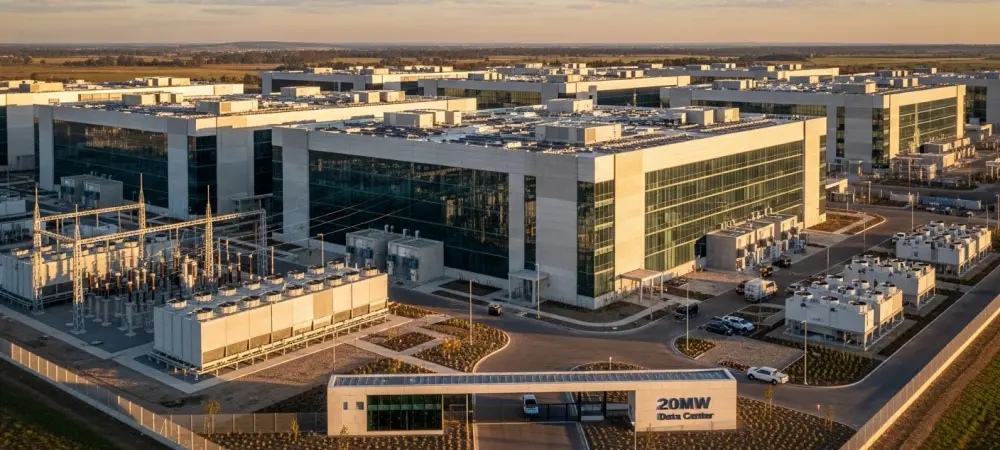
The Italian telecommunications landscape is undergoing a massive shift as major infrastructure projects move beyond the traditional industrial hubs of the north. This evolution is centered on a new partnership between Unidata and Azimut Libera Impressa, which aims to establish a state-of-the-art 20MW data center in Rome. By addressing the growing need for localized cloud services and high-capacity storage, this initiative marks a turning point for Italy’s digital economy.
This article explores the details of the UniCenter joint venture, examining how it fits into the broader European technology ecosystem. Readers will discover the technical specifications of the facility, its focus on sustainability, and why Rome is becoming a critical destination for global investment.
Key Insights: The Future of Italian Infrastructure
What Is the Significance of the UniCenter Project?
Italy has long relied on the Milan-Bergamo corridor for its primary digital infrastructure, but the surge in demand for artificial intelligence and cloud computing necessitates geographic diversity. The establishment of UniCenter in Rome provides a much-needed alternative that reduces latency for central and southern regions. This project bridges the gap between local connectivity needs and international data transit through the Mediterranean. The facility is designed as a carrier-neutral, wholesale-only site, ensuring that it can serve a wide variety of telecommunications operators and large-scale enterprises. By offering high-density solutions with capacities exceeding 30kW per rack, the center caters to modern workloads that smaller, legacy facilities simply cannot handle. This strategic positioning allows Unidata to leverage its Unitirreno subsea cable project effectively.
How Does the Investment Support Sustainable Growth?
Building a data center of this scale requires a careful balance between raw power and environmental responsibility. The initial investment of approximately €57 million focuses on achieving Tier IV quality standards, which represent the highest level of reliability and redundancy in the industry. However, the developers have placed equal importance on green energy, ensuring the facility utilizes renewable sources to power its 2,000 racks.
Azimut holds a 75 percent stake in the venture, providing the necessary capital, while Unidata retains 25 percent and manages the daily technical operations. This structure allows the project to benefit from institutional financial strength while maintaining the specialized expertise of an established telecom leader. Such a collaborative approach is essential for meeting the strict efficiency requirements of modern digital regulation.
Why Is Rome Becoming a Global Data Hub?
Rome is no longer just a secondary market; it is now a strategic gateway for data flowing between Europe, North Africa, and the Middle East. Recent commitments from global giants like Microsoft, Google, and Amazon Web Services have poured billions into the region, validating the city’s potential. UniCenter serves as a critical component of this burgeoning ecosystem, providing the physical foundation for these international cloud and AI expansions.
Moreover, the proximity to various Mediterranean subsea landing points makes Rome an ideal location for wholesale clients who require high-speed international transit. As the digital economy continues to decentralize, the city is well-positioned to capture a significant portion of the traffic that previously bypassed Italy. This shift ensures that the nation remains competitive in an increasingly interconnected global market.
Summary: A Strategic Digital Leap
The collaboration between Unidata and Azimut represented a decisive move to modernize Italy’s central infrastructure. By delivering a 20MW facility that prioritized sustainability and high-density performance, the partners successfully addressed the capacity shortages that once hindered regional growth. The project integrated seamlessly with existing subsea assets, reinforcing the country’s role as a Mediterranean connectivity leader.
Final Thoughts: Navigating a Connected Future
Investors and enterprises should monitor how this new infrastructure influences local economic development and digital service availability. As Rome continues to attract hyperscale players, the focus will likely shift toward further enhancing the interconnections between terrestrial networks and subsea cables. Organizations looking to expand their footprint in Southern Europe must now consider the strategic advantages of central Italian hubs over traditional northern alternatives.