

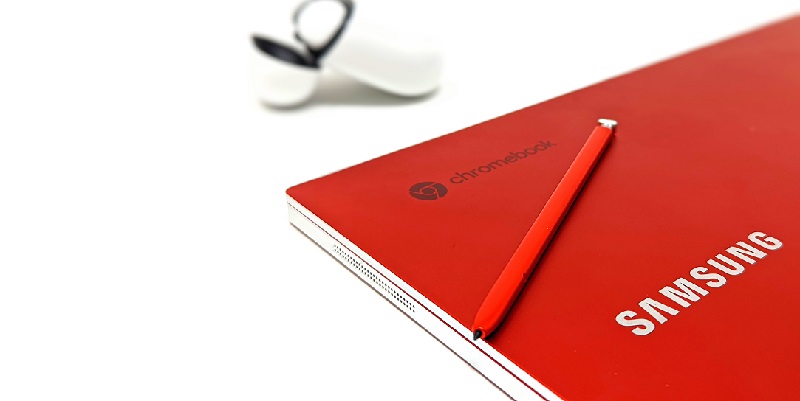
Samsung has recently revealed its newest lineup of innovative devices, including the highly-anticipated Galaxy Z Fold 5 and Galaxy Z Flip 5 folding phones, along with the cutting-edge Galaxy Tab S9 tablets and the feature-rich Galaxy Watch 6. With a slew of remarkable features and improvements, these devices are poised to revolutionize the mobile technology market. Let’s delve into the exciting details.
Galaxy Z Fold 5 – A Seamless Folding Experience
Samsung’s Z Fold 5 boasts a groundbreaking “flex hinge” mechanism that enables the device to fold completely closed without any noticeable gap around the hinge. This remarkable engineering feat is a first for Samsung’s larger foldable smartphones and provides users with a seamless folding experience. The Z Flip 5 receives a refreshing upgrade with a redesigned front screen that has been expanded from 1.9 inches to an impressive 3.4 inches. This larger display allows Samsung to offer users a more immersive experience and positions the device to better compete with Motorola’s Razr Plus. Powered by Qualcomm’s latest Snapdragon Gen 2 processor, the Z Flip 5 delivers unparalleled performance and zippy responsiveness. Moreover, the Z Flip 5 now features a new hinge design that enables it to close completely flat, providing a sleek and compact form factor.
Galaxy Watch 6 – A Wrist Companion Beyond Compare
Samsung’s Galaxy Watch 6 line takes smartwatches to new heights, incorporating larger screens, extended battery life, and the highly requested return of the iconic rotating bezel on the Classic model. These watches are designed to impress. The Galaxy Watch 6 is available in two sizes – 40mm and 44mm, while the Classic model comes in 43mm or 47mm, ensuring a perfect fit for every wrist.
Galaxy Tab S9 – Superior Power and Durability
The Tab S9 line introduces enhanced features to Samsung’s renowned tablet series. Equipped with improved Qualcomm Snapdragon Gen 2 processors, these tablets offer lightning-fast performance for seamless multitasking and smooth multimedia experiences. Furthermore, the Tab S9 tablets are IP68-rated, making them water- and dust-resistant, allowing users to enjoy their tablets worry-free, even in challenging environments.
Galaxy Tab S9 Size Variations – A Perfect Fit for Every Need
Samsung has catered to diverse preferences by launching the Tab S9 in an 11-inch size, offering a compact yet powerful option for those seeking portability. The S9 Plus steps up with a 12.4-inch display, providing a larger canvas for productivity and entertainment purposes. For those who crave an immersive visual experience, the Tab S9 Ultra boasts an enormous 14.6-inch screen, delivering an unparalleled level of immersion for multimedia consumption and content creation.
Pricing Details – Premium Quality Comes at a Cost
While the devices in Samsung’s latest lineup offer exceptional features and cutting-edge technology, they come at a premium price. The Tab S9 starts at $800, the S9 Plus at $1,000, and the S9 Ultra at a considerable $1,200. These prices reflect the premium nature of the devices and the advanced technologies incorporated into their design.
Availability and Purchase Information – Mark Your Calendars
Exciting news for tech enthusiasts and eager customers alike! Samsung has announced that the new devices will be available for purchase starting on August 11th. So, mark your calendars and prepare to experience the future of mobile technology firsthand.
In conclusion, Samsung’s latest devices, including the Galaxy Z Fold 3, Galaxy Z Flip 3, Galaxy Tab S7, and Galaxy Watch 6, offer groundbreaking features, impressive improvements, and cutting-edge technology that push the boundaries of what is possible in the world of mobile devices. Whether you desire a foldable smartphone, a powerful tablet, or a versatile smartwatch, Samsung’s latest lineup has something for everyone. Stay ahead of the curve and embrace the future with these remarkable devices.