

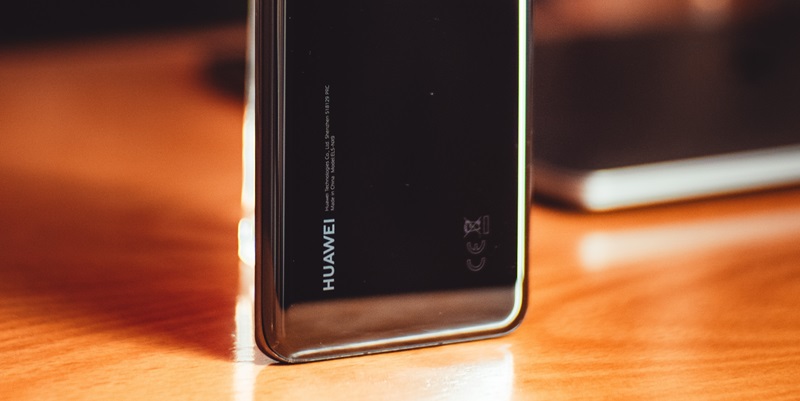
In the world of smartphones, where innovation and design go hand in hand, the Huawei Mate Xs stands out as a true game-changer. With its cutting-edge technology and sleek design, this revolutionary smartphone is set to redefine the boundaries of what a mobile device can do. From its stunning display to its powerful processor and versatile camera features, the Mate Xs is truly a masterpiece of engineering.
At the heart of the Huawei Mate Xs lies its crowning glory – the mesmerizing 8-inch OLED display. This seamless display stretches across the entire surface of the device, immersing you in a truly cinematic experience. Whether you’re watching movies, playing games, or browsing through photos, every detail comes to life with vibrant colors and sharp clarity.
Foldable Design
What sets the Huawei Mate Xs apart from the competition is its innovative foldable design. With just a simple fold, this smartphone effortlessly transforms into a more compact and portable form, allowing you to easily slip it into your pocket or bag. The robust hinge mechanism ensures durability and stability, making it a practical choice for those on the go.
Processor
Powering the Huawei Mate Xs is the highly advanced Kirin 990 5G chipset. This state-of-the-art processor not only delivers lightning-fast speeds but also offers exceptional processing power. Whether you’re multitasking, gaming, or running resource-intensive applications, the Mate Xs handles it all with ease, ensuring a seamless and lag-free experience.
Storage Options
Never worry about running out of space again. The Huawei Mate Xs comes with a range of storage options, allowing you to choose the one that suits your needs. From a generous 512GB to a whopping 1TB, you can store all your apps, games, photos, and videos without a second thought. Say goodbye to storage constraints and embrace limitless possibilities.
Camera Features
The Huawei Mate Xs takes smartphone photography to new heights with its versatile cameras. Capture every moment with stunning clarity, thanks to the advanced camera system that combines multiple lenses and cutting-edge technology. Whether you’re shooting landscapes, portraits, or low-light scenes, the Mate Xs ensures exceptional image quality that will leave you in awe.
Tablet-like Display
One of the standout features of the Mate Xs is its large 8-inch flexible OLED display. With just a simple unfold, the smartphone transforms into a tablet-like screen, providing an expansive canvas for productivity, entertainment, and creativity. Whether you’re reading documents, editing photos, or watching videos, the Mate Xs offers an immersive experience like never before.
The Huawei Mate Xs not only enhances the overall user experience but also opens up new possibilities for multitasking and content consumption. The seamless integration between hardware and software ensures smooth navigation and intuitive interactions. With its innovative split-screen functionality, you can run multiple apps side by side, boosting productivity and efficiency.
Battery Capacity
In a world where our devices are constantly in use, having a reliable battery is crucial. The Huawei Mate Xs is equipped with a massive 4,500 mAh battery capacity, designed to keep up with your demanding lifestyle. Whether you’re working, gaming, or streaming media, you can trust that the Mate Xs will support you throughout the day without constantly needing to be plugged in.
The Huawei Mate Xs is a true symbol of innovation and ingenuity in the mobile phone industry. With its revolutionary foldable design, stunning display, powerful processor, and versatile camera features, it sets a new standard for what a smartphone can be. Whether you’re a tech enthusiast or a digital creative, the Mate Xs is sure to impress with its seamless blend of cutting-edge technology and sleek design. Get ready to experience the future of smartphones with the Huawei Mate Xs.