

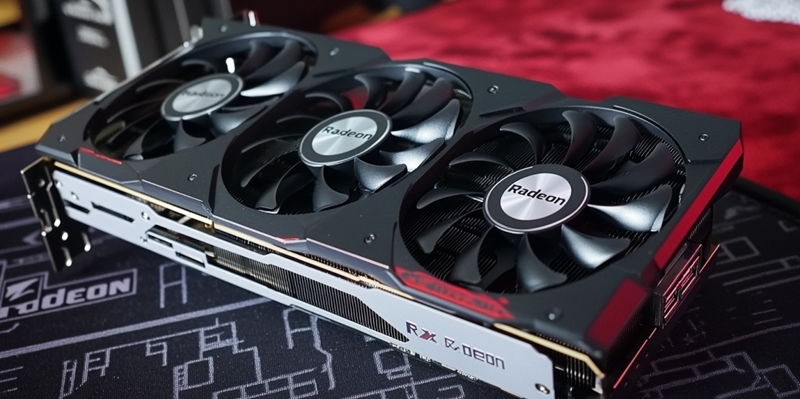
Gamers looking to get the most bang for their buck during this year’s Black Friday craze should look no further than the impressive discounts on AMD Radeon RX 7000 series GPUs. The significant price reductions across various models offer a great opportunity to upgrade PC components without breaking the bank. The range of these deals covers budget, mid-range, and high-end graphics cards, providing a suitable option for every type of gamer. Not only do these price cuts make high-performance gaming hardware affordable, but they also provide a competitive edge over equivalent NVIDIA products, ensuring gamers can enjoy top-tier performance for less.
Budget-Friendly Deals
In the budget category, the Acer Predator BiFrost RX 7600 has dropped to an astonishing $229.99, down from its usual range of $250-$270. This makes it one of the most cost-effective choices for gamers seeking robust performance without splurging on high-end models. The Gigabyte Radeon RX 7600 XT Gaming OC 16G is also noteworthy, now available for $279.97. With 8 GB of VRAM, these GPUs deliver excellent gaming experiences, making them ideal for gamers who engage with modern, memory-intensive games. These deals underscore the affordability of powerful hardware, ensuring budget-conscious gamers can still enjoy a high-quality gaming setup.
The RX 7600’s strong performance at a budget-friendly price significantly lowers the entry barrier for gamers looking to experience the latest titles without sacrificing visual fidelity or frame rates. By offering these GPUs at such competitive prices, AMD is setting a new standard in the budget segment, making high-performance gaming accessible to a broader audience. This approach not only entices new customers but also bolsters AMD’s market share by providing an undeniable value proposition.
Mid-Range Marvels
For those with a bit more to spend, the mid-range category brings remarkable deals like the Acer Nitro Radeon RX 7700 XT priced at $359.99. This GPU features 12 GB of VRAM and is well-suited for 1440p gaming, ensuring gamers can enjoy crisp and smooth gameplay at higher resolutions. By offering substantial processing power and VRAM, the RX 7700 XT stands as a formidable competitor against NVIDIA’s mid-range offerings, providing an optimal balance of performance and price.
The RX 7700 XT’s ability to deliver solid 1440p performance makes it a fantastic choice for gamers seeking a middle ground between affordability and high-quality gaming experiences. The additional VRAM ensures longevity, enabling players to enjoy upcoming game releases without the need to upgrade immediately. These mid-range deals highlight AMD’s commitment to delivering value across different price segments, catering to the diverse needs of the gaming community. By offering considerable discounts, AMD is making it easier for gamers to future-proof their systems without stretching their budgets too thin.
High-End Highlights
For high-end gamers looking to maximize their savings during this year’s Black Friday sales, the substantial discounts on AMD Radeon RX 7000 series GPUs present an excellent opportunity. These price reductions across different models offer a fantastic chance to enhance PC components without spending a fortune, ensuring every type of gamer finds a suitable option.
Not only do these discounted prices make acquiring high-performance gaming hardware more feasible, but they also help gamers stay ahead of NVIDIA’s equivalent products. With these deals, gamers can achieve top-tier performance without a hefty expense, making it the perfect time to upgrade. These discounts not only make high-end gaming more accessible but also provide the competitive edge needed to experience the latest games at optimal settings. Whether you are a casual player or a dedicated gamer, these deals promise to deliver exceptional value, making this Black Friday a prime opportunity for a hardware upgrade.