

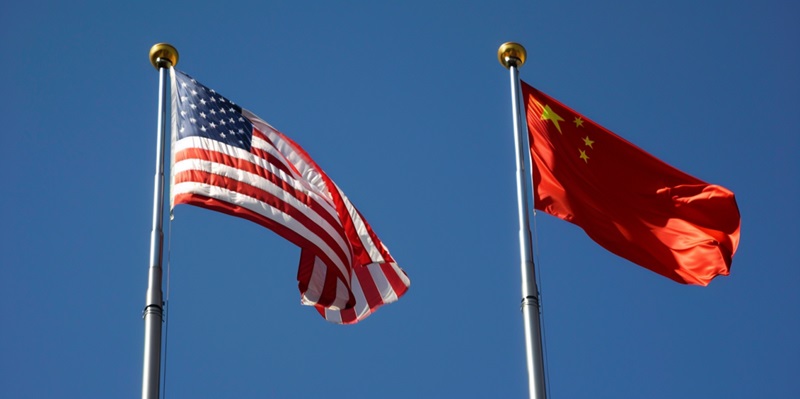
The rapidly evolving landscape of artificial intelligence (AI) has prompted the United States and China to engage in crucial discussions at a high-level meeting in Geneva. This diplomatic convergence reflects the technological fervor and national security implications that proliferate within the realm of AI. As these two global superpowers sit at the precipice of foundational AI advancements, the world watches with bated breath, recognizing the potential for both collaborative breakthroughs and competitive tensions.
The Inter-Governmental AI Dialogue
Establishing Common Ground
The dialogue initiated by U.S. President Joe Biden and Chinese President Xi Jinping aims to identify common ground on AI ethics, development, and usage. Both nations acknowledge the transformational power of AI—its capacity to catalyze economic growth and its prowess in reshaping defense capabilities. However, delineating a framework that encapsulates the aspirations of both powers is a complex dance of diplomacy and strategic foresight. The U.S. approaches the table with a blend of ambition and apprehension, seeking to safeguard its national interests while pursuing a collaborative trail on AI innovations that could set international precedents.
Contending with AI’s Military and Security Implications
The security ramifications of AI have taken center stage in Geneva, where discussions encapsulate the intricate nexus between AI and national defense. America’s focus is clear—while it wishes to stay abreast of defense applications, there is an underlying imperative to insulate its technological edge from China’s growing AI omniscience. The U.S. seeks to establish barriers against the potential misuse of AI by adversaries while also keenly promoting the development of cutting-edge, ethical AI for military advantage. These overtures reflect an overarching strategy that marries safeguarding with advancement.
Global AI Governance Initiatives
Steering International Regulation and Standards
The Geneva meeting is but a microcosm of the broader international endeavor to regulate AI. Simultaneous activities, such as the multi-country summit in Seoul, denote a clear consensus on the need for global AI governance. These gatherings underscore the urgency that nations around the world feel to harness AI’s power responsibly. By establishing shared standards, the world’s leading economies hope to navigate uncharted territories of AI applications collaboratively. This becomes pivotal as AI’s integration with critical infrastructure and economies deepens, demanding uniformity in risk management approaches.
Cybersecurity Dialogues and Agreements
In Geneva, U.S. and China representatives engage in pivotal talks regarding the burgeoning field of artificial intelligence, a sector rife with innovation and national security stakes. As these technological titans navigate the advancing terrain of AI, their dialogue symbolizes a delicate balance between potential cooperation and rivalry. With the world observing, these discussions at the diplomatic level are set against a backdrop of AI’s transformative power. The implications of these meetings are profound, as they not only shape the future of global AI policy and research but also signal how the international community might manage the rapid pace of technological change. Both nations stand on the edge of momentous AI developments, their outcomes poised to influence the global stage for years to come.