

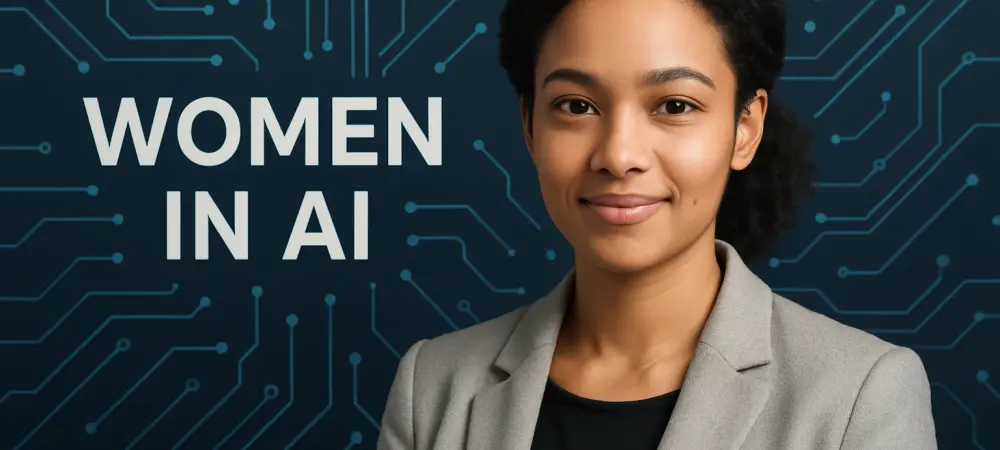
A recent development has spotlighted the growing influence of women leaders in the Artificial Intelligence (AI) industry, a realm traditionally dominated by men. The emergence of the 7th annual VentureBeat Women in AI Awards stands as a testament to this shift, heralding not only recognition but also the rising impact of women in AI. These awards celebrate female pioneers making significant strides across categories like AI Entrepreneurship, Mentorship, Research, and the Ethics of AI. This trend analysis will delve into the essence and significance of women’s leadership in AI, examining current trends, expert opinions, and future implications.
Current State of Women Leadership in AI
Data and Trends in Women Participation
The participation of women in AI has shown an unmistakable upward trajectory in recent years, indicating a push toward greater inclusivity and diversity in the tech industry. According to recent statistics, women’s representation in AI roles within companies continues to enhance, marking a measured yet significant growth. Despite the previous historical underrepresentation, women’s presence is becoming increasingly central to AI innovation, with organizations actively championing their inclusion as a strategic advantage. Industry reports emphasize the increased adoption of initiatives that recognize and support women, reflecting a progressive shift toward equitable workplace cultures.
Real-World Applications of Women Leadership
The tangible effects of women leading in AI are increasingly evident through numerous real-world applications. For example, female leaders have spearheaded complex AI solutions in healthcare, leveraging data-driven insights to improve patient outcomes. They have also directed innovative projects in AI-powered sustainable development, setting new standards in environmental resilience. Notable organizations such as IBM and Microsoft have amplified women’s voices in their AI divisions, resulting in products and services that are both technically advanced and ethically grounded. These leaders’ efforts collectively illustrate how women in AI are instrumental in turning visionary ideas into practical solutions.
Perspectives from Industry Experts
Perspectives from industry experts further underscore the significance of women leadership in AI. Eminent thought leaders recognize the value of diverse perspectives, articulating that women’s insights foster creative problem-solving and drive the ethical use of AI technologies. Distinguished professionals highlight the ongoing challenges women face in the tech sector, emphasizing the necessity of advocating for systemic changes that ensure equality in opportunity and recognition. They underscore that increasing women’s visibility in AI roles is vital for fostering environments where diverse talents thrive, ultimately benefiting both companies and the broader society.
Future Implications of Trend in Women Leadership
Looking ahead, this trend portends transformative implications for the AI industry and beyond. Women in leadership roles are poised to influence AI’s direction, advocating for developments that prioritize ethical practices and societal benefit. Challenges, such as resisting lingering biases or cultivating widespread recognition, remain; however, the potential for positive impact is substantial. Industries could witness sustained innovation driven by diverse teams, while organizations could enjoy enhanced competitive edges stemming from inclusivity. There exists a dual potential for growth and challenges, but the continued evolution of women leadership in AI promises promising outcomes.
Conclusion and Call to Action
In conclusion, the ongoing recognition and elevation of women in AI leadership have underscored the importance of diversity, innovation, and ethical practice across industries. This shift has already begun reshaping perceptions and practices within the AI sector, leading to more comprehensive, responsible developments. Organizations should continue to foster inclusive environments and champion the advancement of women, capitalizing on their unique insights and capabilities. By prioritizing gender diversity, the AI field can harness the collective power of its talent, driving technology forward with wisdom and integrity. This focus on cultivating diverse leadership is central to realizing the full potential of AI in addressing complex global challenges.