

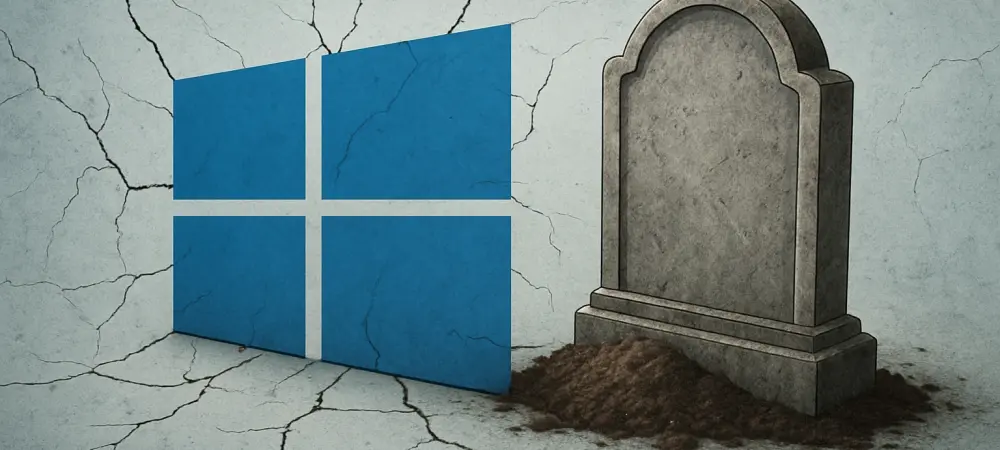
Introduction to a Tech Turning Point
Imagine a world where nearly half of all Windows users—hundreds of millions globally—face a sudden cutoff from critical security updates, rendering their devices vulnerable to cyber threats. This is the stark reality as Microsoft’s support for Windows 10 approaches its end on October 14 of this year. The decision has sparked not only widespread concern among users but also a significant legal battle, with accusations that the tech giant is prioritizing profit over consumer welfare. This trend of planned obsolescence and its ripple effects across technology landscapes is reshaping how users interact with software lifecycles. This analysis delves into the scale of the impact, legal challenges against Microsoft, expert insights, future implications, and critical takeaways for navigating this pivotal shift in the tech industry.
Unpacking the Scale of Windows 10’s End-of-Life
Market Share and User Dependency
Current data reveals that Windows 10 holds a commanding 45% share among Windows operating systems, translating to roughly 700 million active users worldwide. Reports from industry trackers indicate a sluggish migration to Windows 11, with many users either unaware of the looming deadline or unable to transition due to hardware constraints. This vast user base underscores the magnitude of the challenge as the support cutoff looms, spotlighting a significant trend in software dependency.
Hardware Barriers and User Challenges
A staggering 240 million PCs worldwide are ineligible for the Windows 11 upgrade due to stringent hardware requirements, leaving a substantial portion of users stranded. This barrier exacerbates the trend of forced obsolescence, as individuals and small businesses face limited options. The financial and logistical burden of replacing devices or adapting to new systems is a growing concern, highlighting disparities in access to modern technology.
Individual Stories and Economic Strain
Consider the case of Lawrence Klein, a California resident who owns two laptops soon to be obsolete without support. His predicament mirrors that of countless others facing the dilemma of either paying extended support fees—ranging from $30 to $60 annually—or investing in new hardware. This personal impact reflects a broader trend of economic pressure on users, as the cost of compliance with tech advancements becomes increasingly prohibitive for many.
Legal Pushback and Allegations Against Microsoft
Accusations of Profit-Driven Motives
A lawsuit filed by Klein in California accuses Microsoft of leveraging the Windows 10 end-of-life policy to drive sales of new devices and promote generative AI tools like Copilot, integrated into Windows 11. The legal action claims this strategy is less about innovation and more about boosting revenue at the expense of loyal customers. This trend of corporate policies prioritizing profit over accessibility is gaining attention in legal and consumer circles.
Barriers to Competition in AI Markets
Beyond hardware sales, the lawsuit alleges that Microsoft’s actions stifle competition in the generative AI sector by creating barriers to entry. By tying advanced AI capabilities to Windows 11, the company is accused of limiting consumer choice and hindering smaller competitors from gaining market traction. This reflects a concerning trend of market control through software ecosystems, raising questions about fairness in tech innovation.
Security Threats and User Discontent
The legal narrative also emphasizes heightened security risks after October 14, with unsupported devices becoming prime targets for cyberattacks and data breaches. This concern ties into a growing trend of user frustration, as many feel Microsoft disregards their financial constraints and safety. The mounting discontent signals a shift in consumer expectations, demanding greater accountability from tech giants during product transitions.
Expert Insights and Industry Reactions
Legal and Tech Analyst Perspectives
Tech analysts and legal experts view this lawsuit as a potential game-changer in how end-of-life policies are crafted and enforced. Some argue it could set a precedent for extending support timelines, while others caution that corporate strategies often outweigh consumer advocacy in court outcomes. This trend of legal challenges influencing tech policy is becoming more prominent as user bases grow and stakes rise.
Balancing Corporate Goals with Consumer Rights
Industry voices present a spectrum of opinions on Microsoft’s approach, with some defending the need for innovation-driven upgrades, while others criticize the apparent neglect of user welfare. The push for AI adoption, seen as a competitive edge, often clashes with the immediate needs of consumers unable to keep pace. This ongoing tension highlights a critical trend in balancing profit motives with ethical responsibilities in technology sectors.
Uncertainty in Microsoft’s Stance
Notably, Microsoft has yet to publicly respond to the lawsuit, leaving its position ambiguous. This silence fuels speculation about whether the company will adjust its policies or stand firm on the scheduled cutoff. The lack of clarity contributes to a trend of uncertainty in corporate communication, often leaving users and analysts guessing about future directions during critical transitions.
Future Implications of Windows 10’s Support Termination
Possible Resolutions and Policy Shifts
One potential outcome of the legal challenge is injunctive relief, as requested by the plaintiff, to extend free Windows 10 support until the user base shrinks below 10% of Windows users—a process that could span years. Such a ruling could redefine trends in software support, pushing companies to prioritize user readiness over arbitrary deadlines. This possibility underscores the evolving relationship between legal oversight and tech policy.
Compromise Proposals and Feasibility
A suggested middle ground involves offering free extended support for devices incompatible with Windows 11, while mandating upgrades for capable systems. While this approach could mitigate immediate user hardship, its implementation remains uncertain due to logistical and financial complexities for Microsoft. This trend of seeking balanced solutions reflects a growing demand for pragmatic responses to tech transitions impacting millions.
Long-Term Security and Industry Dynamics
Beyond individual users, the end of Windows 10 support poses broader cybersecurity risks, as unsupported systems could become vectors for global threats. This situation may influence future OS support frameworks, prompting competitors to adopt more user-friendly policies to gain trust. The trend of security becoming a central issue in software lifecycles is likely to shape consumer expectations and corporate strategies for years to come.
Reflecting on a Pivotal Tech Transition
Looking back, the Windows 10 end-of-life saga revealed the profound challenges faced by a massive user base of 700 million, grappling with security vulnerabilities and financial burdens. The legal resistance, spearheaded by individuals like Lawrence Klein, spotlighted accusations of profit-driven motives behind Microsoft’s policies. Expert analyses and industry debates further illuminated the delicate balance between innovation and consumer rights. As this chapter closes, the path forward demands proactive steps—users are encouraged to explore extended support options or compatible upgrades before the deadline passes. More broadly, this moment urges stakeholders to advocate for transparent, user-centric policies in future tech transitions, ensuring that progress does not come at the cost of accessibility or trust.