

The digital revolution powered by artificial intelligence is quietly building an insatiable appetite for electricity, challenging the very foundation of our global digital infrastructure and pushing traditional data center models to their breaking point. This explosive growth is creating an unprecedented demand for energy that can no longer be ignored. This analysis explores the emerging trend of sustainable, energy-centric data centers, using a landmark acquisition in Finland as a case study to illustrate how the industry is innovating to meet AI’s power needs responsibly. The following sections will analyze market growth, examine a real-world project, consider industry perspectives, and discuss the future implications of this critical shift.
The Evolution of Data Centers into Energy-Centric Hubs
Nordic Market Expansion and AI-Driven Demand
The data center market in Finland is undergoing a significant transformation, diversifying beyond its traditional concentration in the capital, Helsinki. A wave of new domestic and foreign companies is now actively planning large-scale projects across the country, signaling robust market growth and confidence in Finland’s infrastructure. This expansion reflects a broader Nordic trend where stable grids, cool climates, and renewable energy sources are attracting massive investments in digital infrastructure. This rapid expansion is fueled almost entirely by the “unprecedented, energy-intensive computing demand” from artificial intelligence. Modern AI workloads require data centers with colossal power capacities, far exceeding the norms of just a few years ago. Projects like the planned 300-400MW campus in Pori are becoming the new benchmark, designed from the ground up to support the immense computational needs of next-generation technologies. The recent acquisition by ASP DC of a 37-hectare site in Pori for its CompassForge Real Estate I project powerfully highlights this investor confidence. With construction for a 150MW first phase set to begin, the project serves as a concrete example of capital flowing toward sustainable, high-capacity developments. This move is not just an expansion but a strategic positioning to capture the burgeoning AI market.
The Pori Campus a Case Study in Symbiotic Infrastructure
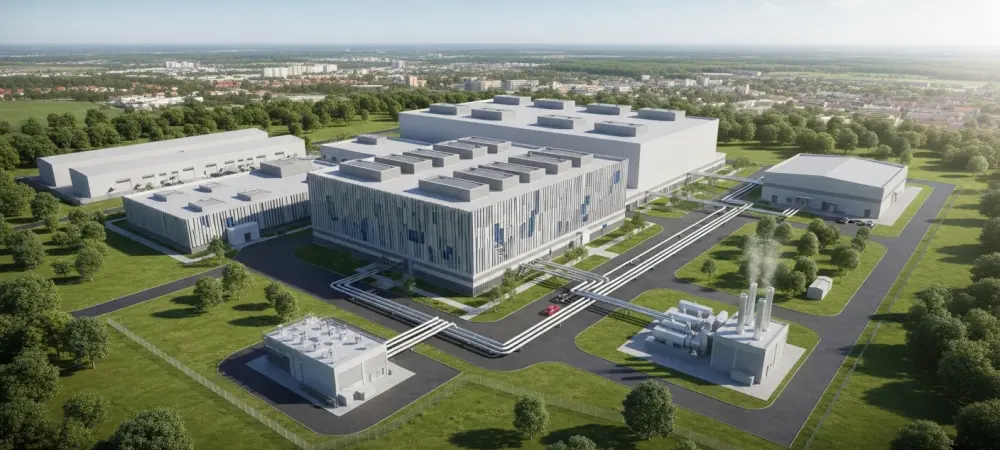
In a clear demonstration of this trend, Norwegian developer ASP DC is acquiring a major data center site in Pori, Finland, from CompassForge Ventures. The ambition is to create a flagship sustainable campus that redefines the relationship between a data center and its environment. This acquisition aligns with ASP DC’s strategic goal to become the leading data center operator in the Nordics, with the Pori site poised to be a technological and scalable showpiece. Developed in collaboration with energy management partner Ecogrid.Energy, the Pori project’s innovative design positions it as an active participant in the regional energy grid, not merely a passive consumer. This energy-centric concept represents a fundamental paradigm shift, moving away from isolated facilities toward integrated infrastructure that supports local utilities. Key features of this forward-thinking plan include an on-site gas power plant and a sophisticated system to capture and repurpose waste heat for the local district heating network. This model of direct integration with community utilities demonstrates a symbiotic relationship, where the data center contributes to energy stability and efficiency, turning a potential energy drain into a community asset.
Expert Insights and Collaborative Innovation
A growing consensus, formally reflected in the Finnish government’s data center roadmap, suggests that future data centers must become more sustainable and symbiotic with their local environments. This alignment between public policy and private enterprise creates a fertile ground for innovation, encouraging developers to pursue designs that offer mutual benefits to the industry and the community.
The Pori project exemplifies this collaborative shift. The partnership between developer ASP DC, innovator CompassForge Ventures, and energy specialist Ecogrid.Energy was instrumental in pioneering an energy-centric design. This model, where expertise from real estate, technology, and energy sectors converges, is becoming essential for delivering the complex, integrated solutions required by the AI era.
Furthermore, ASP DC’s stated commitment to becoming the premier data center operator in the Nordics underscores the strategic importance of this approach. In a competitive market, adopting advanced and sustainable energy management practices is no longer just a matter of corporate responsibility but a critical factor for securing a competitive edge. It signals to the market that efficiency, reliability, and sustainability are intertwined.
Future Outlook Data Centers as Active Energy Partners
The model being pioneered in Pori, where data centers actively support the power grid, is poised to become the new industry standard, particularly for energy-intensive AI workloads. With the first 150MW phase expected to be operational by early 2027, the project will serve as a tangible blueprint for future developments worldwide. This approach addresses the dual challenges of meeting AI’s power demands while reinforcing grid stability. This trend signals a fundamental shift in perception: data centers are transforming from isolated energy consumers into integrated partners within regional energy infrastructure. By generating power, managing loads, and repurposing heat, these facilities can enhance grid stability and overall efficiency, especially in areas with high concentrations of variable renewable energy sources.
The benefits of this integrated model are substantial, including a reduced environmental footprint, new revenue streams from providing energy services, and improved community relations. However, the primary challenge lies in the immense complexity and significant upfront investment required to engineer these sophisticated, symbiotic systems. Overcoming these hurdles will require continued collaboration between developers, energy providers, and policymakers.
Conclusion Powering the Future of AI Responsibly
The analysis revealed that the immense power requirements of artificial intelligence drove a necessary and rapid evolution in data center design, where sustainability and energy integration became central pillars. The strategic acquisition by ASP DC in Pori, Finland, served as a powerful and concrete example of this trend in action, showcasing a tangible shift from passive energy consumption to active grid partnership. It was clear that as AI technology continued to scale, building data centers that were symbiotic with their surrounding energy ecosystems was not just an option but a critical necessity for responsible and sustainable technological growth. The industry reached a pivotal moment where its environmental and social impact could no longer be an afterthought.
Ultimately, the findings pointed toward a new mandate for the data infrastructure industry. It must move beyond simply consuming power and fully embrace its potential to become a stabilizing and efficient force in our collective energy future, thereby turning the challenge of AI’s energy appetite into a profound opportunity for grid-level innovation.