

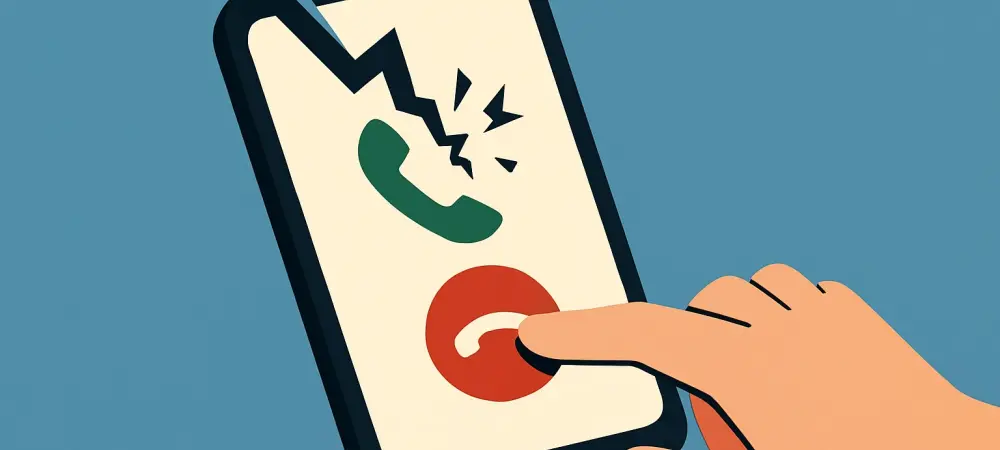
Imagine receiving an authentic security code from a service like Apple, followed moments later by a call from their “support team” urgently warning that your account is compromised. This is not a glitch; it is the opening move in a sophisticated phishing attack designed to manipulate trust and bypass even the most vigilant user’s defenses. Phishing has graduated from poorly spelled emails to highly convincing, multi-channel campaigns that exploit human psychology. This analysis will dissect these modern trends, examine real-world cases, provide expert guidance on defense, and look toward the future of this digital threat.
The Anatomy of a Modern Phishing Campaign
The Alarming Growth of Coordinated Attacks
Cybersecurity data reveals a sharp increase in multi-vector phishing, leading to billions in annual losses. The trend shows a clear shift from mass, generic emails to targeted spear-phishing attacks that use information from past data breaches to enhance credibility. These operations are amplified by the strategic impersonation of trusted tech companies like Apple, Google, and Microsoft, exploiting the authority these brands command.
Case Studies in Deception
A prime example is the “Apple Support” hoax, where attackers trigger a real two-factor authentication (2FA) prompt on a user’s device, then immediately follow up with a spoofed support call. They use the real alert to build credibility and panic the victim into revealing the security code. Similarly, corporate vishing attacks involve criminals impersonating a company’s IT department. They use internal knowledge to build rapport before persuading an employee to grant remote access or reveal credentials under the guise of routine maintenance.
Insights from the Frontlines of Cybersecurity
Tech giants and law enforcement agencies offer a unified, simple defense: legitimate companies will never proactively call to ask for passwords or 2FA codes. The unequivocal guidance from both Apple and the FBI is to “just hang up” on any unsolicited support call. These attacks succeed not by exploiting software but by targeting human psychology. Attackers create a sense of urgency and panic to override a victim’s logical thinking and security training.
The Future of Phishing and Digital Trust
The next generation of threats is already emerging, including AI-powered deepfake voice calls that can convincingly mimic a trusted colleague and the growth of Phishing-as-a-Service (PhaaS) platforms that make sophisticated attacks accessible to more criminals. In response, the evolution of defense is accelerating toward passwordless authentication with technologies like Passkeys, which are resistant to traditional phishing. However, the long-term implication of these escalating attacks is an erosion of trust in digital communication, highlighting the critical need for continuous security education.
Conclusion Adopting a Zero Trust Mindset
The analysis showed that phishing has evolved into a complex, psychologically manipulative threat that blends real security alerts with fraudulent communication to appear legitimate. The most sophisticated attacks were found to bypass technical defenses by targeting human trust directly. Throughout the examination, the most powerful defense was identified not as software but as a simple, unwavering rule: never trust unsolicited contact. It was determined that the best practice is to always hang up and initiate contact independently through official channels to verify any issue. Adopting this “zero-trust” approach, enabling the highest level of account security, and sharing this knowledge are the critical steps toward building resilience against this persistent threat.