

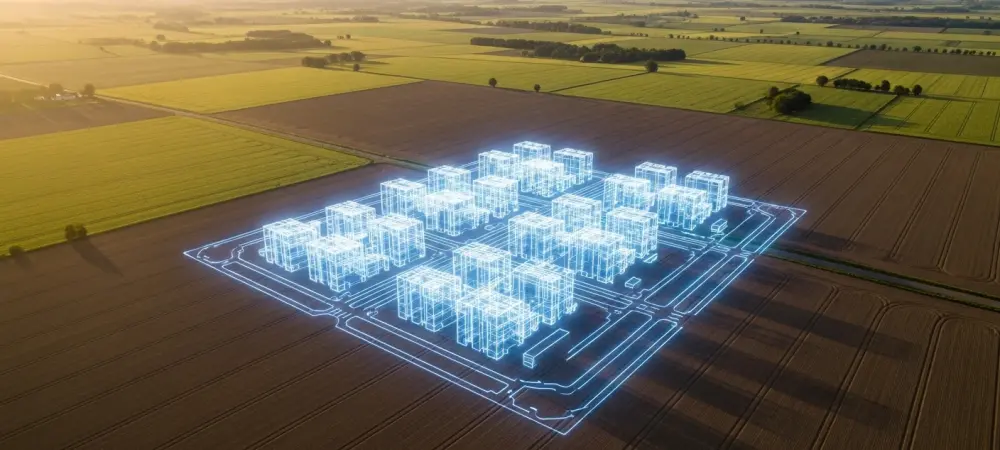
In the quiet, rolling hills of Montgomery County, Missouri, a vision of the future is clashing with a deeply rooted way of life, as plans for one of the world’s largest data center campuses take shape on prime agricultural land. This development is not an isolated event but the leading edge of a significant national trend. The insatiable demand for data, cloud computing, and artificial intelligence is pushing tech giants beyond saturated urban hubs and into America’s heartland. This analysis examines the monumental proposals in Missouri, explores the drivers behind this rural expansion, dissects the resulting community tensions, and considers the profound implications for similar towns across the country.
The Blueprint for Rural Transformation
Gauging the Scale: The Missouri Megaprojects
The sheer magnitude of the proposed developments in Montgomery County is difficult to overstate. One proposal, Amazon Web Services’ “Project Green,” outlines a 1,000-acre campus to be developed in two phases. This plan could eventually host up to 21 data center buildings, supported by its own dedicated wells and a water treatment plant. Though the project is still in its early stages, with a property closing expected this quarter and no permits yet granted, its scale is unprecedented for the region.
Adding to the intensity of this transformation is “Project Spade,” a separate but equally ambitious proposal for an adjacent 910-acre site. This second project aims to construct three very large data center buildings, effectively doubling down on the industrialization of the local landscape. The presence of two distinct, colossal projects targeting a single rural county illustrates a deliberate and powerful shift in where the digital world builds its physical foundations.
New Florence: A Case Study in Expansion
New Florence, Missouri, has become a microcosm of this emerging trend, representing a strategic leap into a non-traditional and less-developed region for data infrastructure. This move away from established tech corridors signals a calculated pivot by data center operators seeking vast tracts of land with access to power and water, resources that are becoming scarcer and more expensive in metropolitan areas.
The simultaneous emergence of two massive campus proposals in one sparsely populated area is the clearest signal yet of a broader, intentional move into new frontiers. It suggests that what is happening in Montgomery County is not an anomaly but a blueprint for future expansion, as the tech industry scours the map for the next viable locations to house the ever-growing cloud.
Voices from the Community: A Town Divided
The proposals have cleaved a deep divide among the local residents and officials in Montgomery County. While some envision economic revitalization and job creation, a significant and organized portion of the community has voiced strong opposition. Their concerns are rooted in the potential for irreversible changes to their environment and quality of life.
These anxieties center on the immense consumption of local resources, particularly water and electricity, in a region where such supplies are not infinite. Furthermore, residents have raised alarms about the environmental impact of constant industrial noise and potential pollution, alongside fears that the development will negatively affect home values and permanently erode the town’s quiet, rural character. A controversy over tax abatements also flared, prompting the county commission to assure the public that AWS would be required to fulfill its full real property tax obligations.
The Future of the Digital Frontier
The situation in Missouri offers a glimpse into the future of this trend, highlighting both the opportunities and the immense challenges that lie ahead. If these projects proceed, they could trigger a large-scale industrial transformation of rural landscapes, bringing new economic activity but also fundamentally altering the social and environmental fabric of these communities.
The primary obstacles to this expansion are not merely technical but deeply human. Overcoming local opposition, navigating complex and often contentious permitting processes, and addressing legitimate concerns over resource management will be critical. The success of this rural push will depend on whether developers can build trust and prove their commitment to environmental sustainability and being good neighbors. This trend could set a powerful precedent, forging a new and at times uneasy dynamic between the global tech economy and the preservation of rural American life.
Conclusion: The Crossroads of Data and Dirt Roads
The analysis reveals that a major trend of data center migration into rural areas is in full swing, exemplified by the colossal proposals in New Florence, which have sparked a significant and passionate local debate. This case study illustrates the profound tension between the digital world’s relentless need for physical space and the desire of small communities to preserve their identity and natural resources.
It is clear that the negotiation between these two powerful forces has become a critical test case for the future of land use in America. How this conflict is resolved in places like Montgomery County will likely shape the relationship between Big Tech and small-town America for the next decade, determining whether coexistence is possible at the crossroads of data streams and dirt roads.