

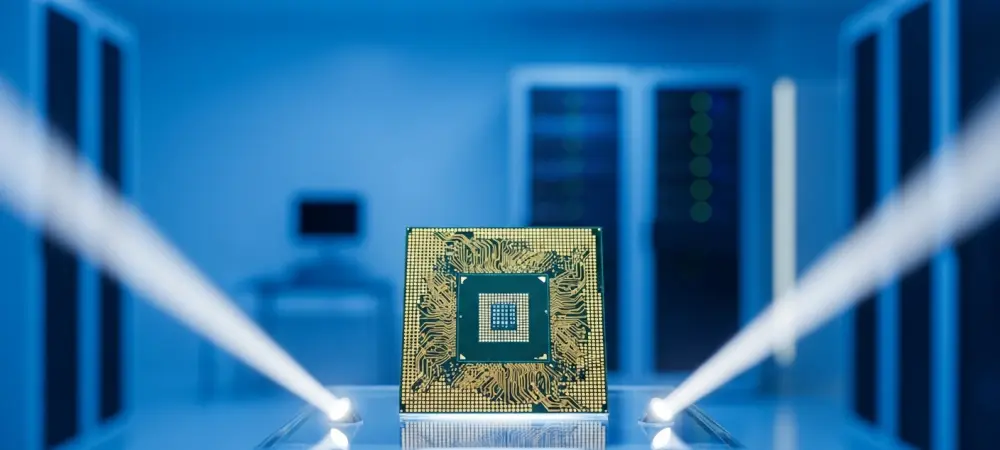
The persistent dominance of high-end graphics solutions in the enthusiast market has long necessitated a radical shift in engineering philosophy to challenge established industry monopolies effectively. As the sector moves beyond the iterative refinements seen in recent hardware cycles, AMD is preparing a “clean sheet” approach with its RDNA 5 architecture. This strategic pivot marks a departure from the conservative mid-range focus that characterized the previous generation, signaling an intent to reclaim the ultra-premium gaming crown. The importance of this high-end sector extends beyond mere sales figures; it serves as a vital symbol of technological leadership that dictates consumer brand loyalty across all price tiers. By developing the ambitious “AT0” flagship, the company is attempting to disrupt the existing hierarchy and provide a viable alternative for the most demanding users.
Market Trends and the Shift Toward Ultra-Premium Hardware
Analyzing the Transition: From RDNA 4 Mid-Range Dominance to RDNA 5 Ambition
Currently, the market reflects a heavy concentration on the performance tier, where solutions rivaling the RTX 5070 Ti and 5080 occupy most of the landscape. This focus has created a noticeable vacuum at the enthusiast level, leaving a gap for those seeking uncompromising 4K high-refresh-rate experiences. Adoption statistics indicate that consumers are increasingly willing to invest in GPUs priced above the $1,000 threshold, provided the performance justifies the cost. Consequently, the projected 2027 release timeline for RDNA 5 represents a critical juncture for regaining market dominance in the premium sector.
Real-World Applications: The Limited Nature Flagship Strategy
The legacy of the Radeon VII provides a historical precedent for how high-performance computing silicon can be repurposed to create a specialized gaming flagship. Rumors surrounding the “AT0” chip suggest a massive 12,288 core count and a 512-bit memory bus, specifications designed to directly challenge the current flagship monopoly. Such a device would likely serve as a “halo” product, elevating the brand’s technical prestige even if the total production volume remains restricted. This strategy prioritizes engineering excellence and brand positioning over mass-market saturation in the immediate term, ensuring the Radeon name remains synonymous with cutting-edge capability.
Expert Perspectives on the RDNA 5 Architectural Overhaul
Industry insiders point toward a “clean sheet” design philosophy that moves away from the incremental improvements of RDNA 4. This complete architectural overhaul is seen as necessary to overcome the performance bottlenecks inherent in older designs and to better compete with specialized hardware acceleration. Professionals in the field are particularly focused on the viability of a 24GB to 32GB VRAM buffer, which is becoming essential in a gaming landscape increasingly reliant on high-resolution assets and complex AI-driven upscaling techniques. While some skepticism persists regarding whether such a massive chip can be efficiently manufactured, many view it as the cornerstone of a major competitive comeback.
Future Implications for the Graphics and Semiconductor Industries
A significant global memory crisis continues to loom over upcoming hardware cycles, potentially dictating the availability and pricing of next-generation components. These supply constraints have already influenced the roadmap for major competitors, leading to delays and strategic pivots toward professional-grade hardware. However, the arrival of a high-spec RDNA 5 architecture could provide much-needed downward pressure on prices through renewed competition. The risk lies in the “HPC-first” design approach, which might lead to professional-grade margins that could alienate traditional gamers if the pricing structure is not carefully managed.
Conclusion: A Turning Point for the Radeon Brand
The transition from a mid-range focus toward the ambitious RDNA 5 architecture represented a fundamental shift in corporate strategy. The “AT0” flagship functioned as a clear statement of intent, aiming to disrupt the status quo in the enthusiast market through raw hardware capability. It was evident that navigating technical hurdles and supply chain volatility remained paramount for achieving a successful launch. Moving forward, the industry must consider how to balance extreme performance with accessibility to ensure that innovation remains sustainable for the broader gaming community. This era marked a turning point where architectural ingenuity was prioritized to redefine the boundaries of consumer graphics technology.