

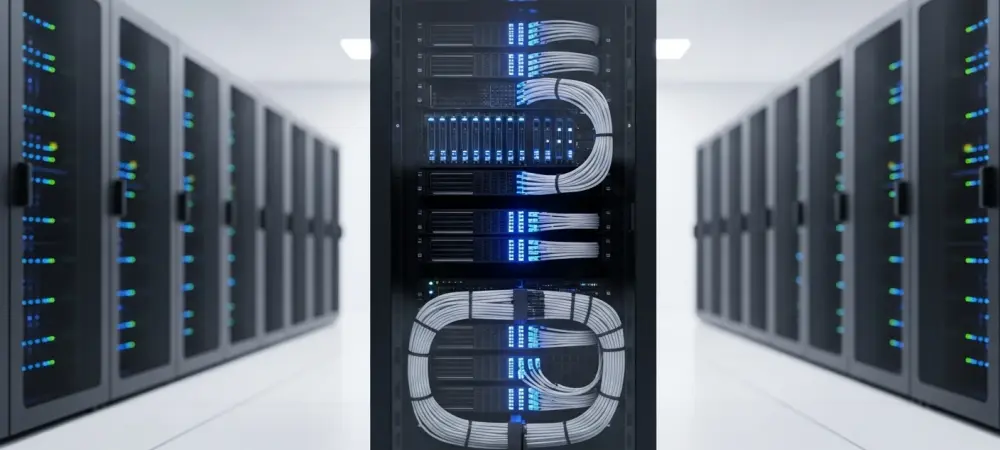
A definitive declaration from NVIDIA’s CES keynote has reset the blueprint for artificial intelligence infrastructure: the era of the individual chip is over, and the era of the rack-scale computer has begun. This monumental shift acknowledges that the exponential growth of AI models now demands a fundamental rethinking of data center architecture. The industry is moving beyond optimizing single components toward engineering fully integrated systems. This analysis explores this trend through the lens of NVIDIA’s Vera Rubin platform, examining its architecture, market impact, and the future it heralds for AI infrastructure.
The Dawn of the Integrated AI Factory
Market Drivers and Architectural Evolution
The explosive growth projected for the AI infrastructure market has exposed critical bottlenecks in traditional data center designs. Piecing together components from various vendors creates communication latencies and power inefficiencies that stall the progress of large-scale AI. These fragmented systems can no longer keep pace with the computational hunger of next-generation models designed for complex reasoning and agentic behaviors. In response, NVIDIA’s strategic pivot with the Vera Rubin platform marks a transition from selling discrete GPUs to providing a complete, co-designed rack as the fundamental unit of computing. This system-level approach is designed to eliminate performance hurdles by ensuring every component works in perfect harmony. With the platform already in production and slated for partner availability in the second half of the year, the market is poised for rapid adoption of this new paradigm.
Vera Rubin a Blueprint for Next-Generation AI
The Vera Rubin platform serves as a concrete example of a rack-scale system, integrating a new family of Rubin GPUs, a custom-designed Vera CPU, and advanced NVLink interconnects. This is not merely a collection of parts in a box; it is a single, cohesive computer where the entire rack functions as one massively powerful processor, designed from the ground up to operate in unison.
This integrated design is engineered to power “AI factories”—data centers optimized for massive-scale inference, long-context reasoning, and the emerging class of agentic AI workloads. By designing the system end-to-end, NVIDIA directly targets one of the most significant challenges in deploying large models: the prohibitive cost of inference. The platform’s architecture aims to dramatically reduce both inference expenses and the total number of GPUs required, making advanced AI more economically viable for enterprises.
Expert Perspectives on NVIDIA’s System-Level Strategy
According to NVIDIA’s leadership, this shift was inevitable. The communication and efficiency barriers inherent in component-based systems could only be overcome by designing the entire rack as a single computer. This philosophy treats the network fabric, processors, and memory as interdependent elements of one architecture, rather than as separate products to be integrated by the customer.
Industry analysts view this end-to-end system approach as a strategic maneuver to solidify NVIDIA’s market dominance. By offering a turnkey, highly optimized solution, the company presents a compelling alternative to both direct competitors and the custom silicon efforts of hyperscalers. However, potential customers like cloud providers and large enterprises face a critical trade-off. While the performance gains of an integrated system are undeniable, they must weigh these benefits against the significant risks of vendor lock-in and reduced architectural flexibility.
Future Trajectory Redefining Data Center Economics and Design
The rack-scale trend promises several tangible benefits for the industry, including accelerated deployment times for enterprises that can now procure a pre-validated AI system. Furthermore, co-designing hardware and software at this scale can lead to significant improvements in energy efficiency and create a standardized, powerful platform that fosters broader AI innovation.
Conversely, this trend introduces significant challenges and long-term implications. Component manufacturers specializing in networking, storage, or CPUs may face immense competitive pressure as system providers like NVIDIA integrate those functions into their own closed platforms. Such consolidation could lead to a less diverse hardware ecosystem, potentially stifling the open, modular innovation that has historically driven the tech industry forward. This raises a critical question for the market: will competitors be forced to develop their own integrated rack-scale solutions, or will they double down on championing open architectures as a strategic alternative?
Conclusion The Rack is the New Computer
The analysis showed a clear and decisive industry pivot toward rack-scale AI computing, a trend powerfully represented by integrated platforms like Vera Rubin. This move was not merely an incremental upgrade but a necessary architectural evolution driven by the relentless demands of next-generation artificial intelligence. It marked the point where the system became more important than any single component within it. This trend shaped the physical and economic landscape of AI, signaling to CIOs and infrastructure architects that a successful strategy was no longer about acquiring the best chips, but about investing in the right system-level architecture.