

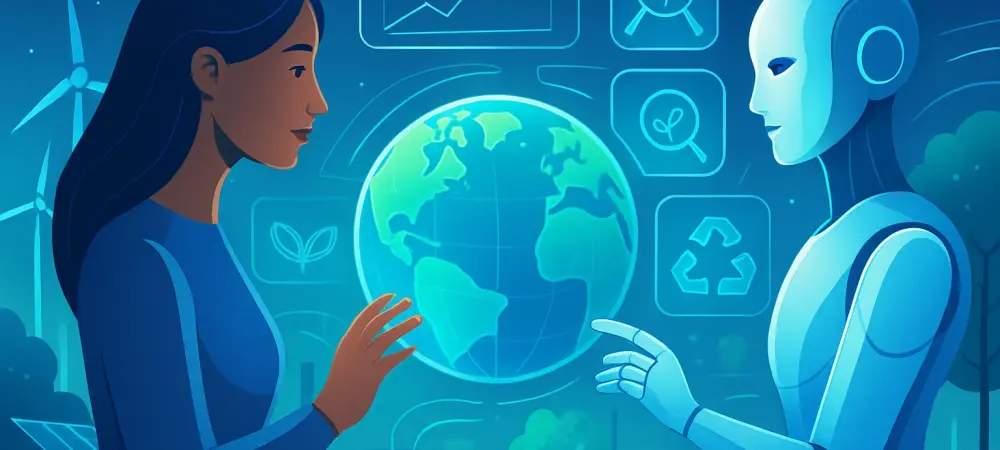
According to recent estimates, AI data centers alone are projected to consume up to 9% of global electricity by 2030, a staggering footprint that exacerbates the already dire state of planetary health, with seven of nine planetary boundaries crossed. This alarming intersection of technological expansion and ecological strain paints a vivid picture of the challenges facing humanity. The urgency to reframe artificial intelligence as a prosocial force—one that prioritizes regeneration over extraction—has never been more critical. This analysis explores the emerging trend of prosocial AI, a paradigm shift aimed at addressing planetary health crises through innovative applications, expert insights, and forward-looking strategies. The discussion will navigate its rise, real-world impact, thought leader perspectives, future potential, and a compelling vision for collective action.
The Rise of Prosocial AI in Addressing Planetary Crises
Growth and Adoption Trends
The integration of AI into environmental solutions is witnessing significant momentum, driven by both necessity and innovation. Reports from the United Nations indicate a sharp rise in AI-driven sustainability initiatives, with investments in green tech solutions increasing by over 30% annually since 2025. Meanwhile, the energy consumption of AI infrastructure remains a pressing concern, as data centers supporting machine learning models account for substantial carbon emissions, prompting tech giants to pivot toward renewable energy sources for powering these systems.
This growth is not merely financial but also reflects a broader shift in focus. Industry analyses highlight that AI tools designed for ecological and social good are gaining traction, with applications ranging from climate modeling to urban planning. The push for sustainable AI is evident in policy frameworks emerging across nations, encouraging developers to minimize environmental costs while maximizing societal benefits, signaling a transformative trend in how technology is perceived and deployed.
A key driver of this adoption is the recognition of AI’s potential to scale solutions for planetary challenges. Collaborative platforms involving governments, corporations, and research institutions are increasingly leveraging AI to address issues like deforestation and pollution. This trend underscores a collective acknowledgment that technology must evolve beyond profit motives to serve as a steward of global ecosystems.
Real-World Implementations
Prosocial AI is already making tangible impacts through diverse applications tailored to environmental and human needs. One standout example is the use of AI to optimize renewable energy grids, where algorithms predict demand fluctuations and balance supply with minimal waste. Projects in Europe have demonstrated how such systems can reduce energy loss by up to 15%, directly contributing to lower carbon footprints.
Another compelling application lies in predicting ecosystem collapse using vast datasets. AI models analyze patterns in biodiversity loss and climate variables to provide early warnings, enabling conservationists to intervene proactively. Organizations like the World Wildlife Fund have partnered with tech firms to deploy these tools in critical habitats, safeguarding species on the brink of extinction with unprecedented precision.
Additionally, AI is enhancing waste reduction through resource optimization in industries such as manufacturing and agriculture. By identifying inefficiencies in supply chains, these systems help minimize overproduction and disposal, fostering a circular economy. Case studies from Asia show AI-driven platforms cutting industrial waste by significant margins, while personalized health coaching apps integrate environmental data to guide individuals toward sustainable lifestyle choices, illustrating the dual focus on personal and planetary well-being.
Expert Perspectives on Prosocial AI’s Potential
The promise of prosocial AI is echoed by thought leaders across multiple disciplines, who stress the importance of embedding regenerative values into technological systems. AI ethics scholars argue that shifting from a profit-driven model to one centered on ecological and social good requires a fundamental redesign of algorithms to prioritize long-term benefits over short-term gains. This perspective highlights the need for transparency in how AI decisions impact both people and the planet.
Environmental scientists emphasize the transformative potential of AI in monitoring and restoring ecosystems, yet caution against over-reliance on technology without addressing systemic issues like overconsumption. Their insights suggest that while AI can amplify conservation efforts, it must be paired with behavioral and policy changes to ensure lasting impact. This balanced view underscores the complexity of integrating technology into deeply rooted environmental challenges.
Behavioral psychologists add a critical dimension by noting how prosocial AI can empower individuals through tailored narratives that inspire action rather than despair. They point to the risk of psychological distancing when faced with overwhelming data, advocating for AI systems that foster agency by translating complex crises into relatable, actionable steps. Together, these expert opinions paint a picture of cautious optimism, recognizing both the hurdles of reorienting AI paradigms and its capacity to drive collective well-being if guided by intentional design.
Future Horizons: Prosocial AI and Planetary Health
Looking ahead, the evolution of prosocial AI holds immense potential to reshape planetary health through advanced tools and governance models. Innovations on the horizon include global ecosystem monitoring systems powered by AI, capable of providing real-time insights into environmental shifts across continents. Such tools could enable unprecedented coordination in addressing crises like deforestation or ocean acidification, offering a lifeline to struggling ecosystems.
The benefits of these advancements are vast, including enhanced individual agency through personalized AI narratives that connect daily choices to global impacts. However, challenges loom large, such as ethical dilemmas in AI design—ensuring systems do not inadvertently prioritize certain regions or populations over others—and resistance to systemic change from industries entrenched in extractive practices. Balancing innovation with fairness remains a pivotal concern for developers and policymakers alike.
Broader implications span across sectors, from education, where AI could teach hybrid intelligence combining human empathy with algorithmic literacy, to policy, where national strategies might prioritize planetary dignity over economic gain. Global cooperation will be essential, with frameworks emerging to treat AI and planetary health as shared inheritances. While the positive outcomes of regeneration are promising, the risk of continued extraction persists if ethical considerations are sidelined, making intentional stewardship a non-negotiable aspect of future development.
Shaping a Regenerative Future with Prosocial AI
Reflecting on the journey of prosocial AI, it becomes evident that its role in navigating the critical convergence of technology and ecology is indispensable. The discussions around its rise, practical applications, and expert-backed potential reveal a powerful shift toward regenerative paradigms. Looking back, the groundwork laid through innovative projects and collaborative efforts offers a beacon of hope amidst planetary crises.
The next steps demand a unified push to embed care and consciousness into AI architectures. Stakeholders across all levels—from individuals honing algorithmic literacy to policymakers crafting ethical guidelines—need to champion systems that serve life rather than erode it. A vital focus is on fostering global partnerships to ensure technology uplifts every corner of the world equitably. Ultimately, the vision for prosocial AI crystallizes as a catalyst for a sustainable hybrid future. By supporting initiatives that prioritize planetary stewardship, society can chart a path where human and machine intelligences harmonize to nurture rather than exploit. This enduring commitment to regeneration stands as the cornerstone for ensuring that future generations inherit a thriving, balanced world.