

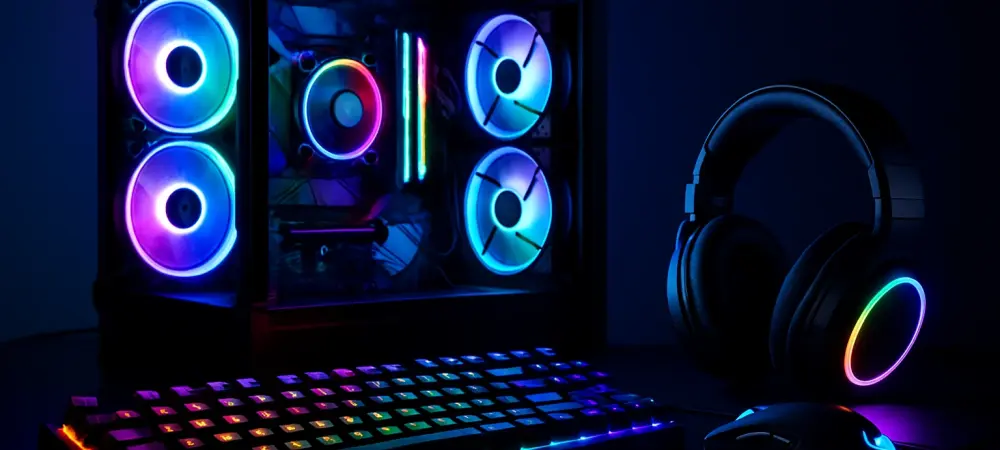
In a digital era where gaming has become a cornerstone of entertainment, the PC gaming hardware market is experiencing an unprecedented surge, with sales soaring by an astonishing 35% to reach a staggering $44.5 billion in revenue this year. This explosive growth underscores a transformative shift in how gamers interact with technology, driven by rapid advancements and evolving consumer preferences. The significance of this boom extends beyond mere numbers, reflecting a broader trend of deeper investment in high-performance systems amid a dynamic digital landscape. This analysis delves into the key drivers fueling this growth, examines shifting market dynamics, offers expert perspectives, explores future implications, and provides a conclusive perspective on this vibrant sector.
Explosive Growth in PC Gaming Hardware Sales
Market Data and Current Milestones
The PC gaming hardware industry is at a historic peak, with sales hitting $44.5 billion this year, driven by a remarkable 35% growth rate. Projections indicate that annual sales will remain above $40 billion through 2028, signaling sustained strength in this sector. This robust trajectory highlights the market’s resilience and its capacity to adapt to technological and consumer shifts.
Beyond the revenue figures, the scale of consumer engagement is equally striking. Over 100 million gamers are expected to either upgrade their existing systems or invest in entirely new setups in the coming years. This widespread commitment to hardware renewal reflects the growing importance of cutting-edge technology in delivering immersive gaming experiences.
Key Factors Fueling Hardware Demand
One of the primary catalysts for this surge is the stringent hardware requirements introduced by Windows 11, compelling many gamers to undertake comprehensive system upgrades. Unlike minor updates of the past, this transition often necessitates replacing core components such as CPUs, motherboards, and RAM, pushing users toward full platform overhauls to meet compatibility standards.
Additionally, the demand for next-level gaming experiences is a significant driver, with technologies like Unreal Engine 5 setting new benchmarks for performance. Gamers are increasingly seeking advanced GPUs equipped with features like upscaling and frame generation to handle resource-intensive titles, further accelerating hardware turnover.
Specific trends also illustrate this shift in consumer behavior, such as the move away from 8 GB GPUs toward more powerful options and the rising popularity of high-performance CPUs like AMD’s 3D V-Cache chips. These preferences indicate a clear pivot toward systems capable of supporting the latest gaming innovations, cementing the trend of substantial hardware investment.
Shifting Dynamics of the PC Gaming Community
Challenges in the Entry-Level Segment
A notable shift within the market is the projected 13% decline in the entry-level segment over the next five years, as affordability remains a significant barrier. Approximately 10 million gamers may transition to alternative platforms such as consoles, handhelds, or mobile devices, seeking more cost-effective ways to enjoy gaming.
This shrinkage poses challenges for broadening the PC gaming base, as rising costs deter new entrants and push some existing users away. The data underscores a critical pain point in balancing accessibility with the escalating demands of modern gaming technology.
Transition to Mid-Range and High-End Systems
Despite the decline at the entry level, a substantial number of gamers are choosing to stay within the PC ecosystem by upgrading to mid-range or high-end hardware. This migration, often occurring every 2-4 years, reflects a willingness to invest in superior performance and longevity over initial cost savings.
For hardware manufacturers, this trend translates into higher profit margins and sustained revenue growth, as premium products dominate sales. The shift not only reinforces market vitality but also encourages innovation tailored to the needs of discerning gamers who prioritize quality and capability.
The real-world impact is evident in the thriving ecosystem of component suppliers and system builders, who benefit from consistent demand for advanced setups. This upward movement within the market signals a maturing community focused on long-term engagement with PC gaming.
Expert Insights on the Hardware Migration
Unique Challenges of the Current Cycle
Ted Pollak, a senior analyst of game tech at Jon Peddie Research, offers valuable insight into the distinctive nature of the current hardware migration driven by Windows 11. Unlike previous operating system updates, this cycle presents unique hurdles due to the extensive compatibility requirements that often render older systems obsolete. Pollak emphasizes that simple component swaps are rarely sufficient to meet the new standards, pushing many users toward acquiring entirely new systems. This forced transition marks a departure from past trends, where incremental upgrades could often bridge the gap.
Strategic Responses from Gamers
A fascinating trend noted by experts is the approach taken by DIY gamers, many of whom are opting to build new Windows 11-compatible PCs while maintaining their existing Windows 10 setups. This dual-system strategy reflects a thoughtful investment in future-proofing their gaming experience without abandoning current hardware.
Such behavior highlights a broader pattern of strategic planning within the community, as gamers weigh the costs and benefits of full upgrades against partial solutions. This calculated response underscores the depth of commitment to the PC platform, even in the face of significant financial outlays.
Future Outlook for PC Gaming Hardware
Sustained Growth and Innovation
Looking ahead, the PC gaming hardware market appears poised for continued expansion, fueled by relentless technological advancements and recurring upgrade cycles. The drive for ever-improving graphics, processing power, and immersive experiences will likely maintain strong demand for cutting-edge components through at least 2028.
Emerging technologies and software developments are expected to further push the boundaries of what gaming hardware must achieve, ensuring that innovation remains at the forefront. This ongoing evolution promises exciting possibilities for both manufacturers and consumers eager to explore the next frontier of gaming.
Balancing Challenges and Opportunities
However, challenges such as the shrinking entry-level segment and persistent cost barriers could temper growth if not addressed. Finding ways to lower the entry threshold while maintaining profitability will be crucial for sustaining a diverse user base in the long term.
On the flip side, the increasing adoption of higher-tier hardware presents significant opportunities for market expansion. Manufacturers have a chance to focus on premium offerings that cater to dedicated gamers, potentially offsetting losses in lower segments with enhanced margins.
The broader implications for the gaming industry include a heightened focus on balancing affordability with performance. How companies navigate this equilibrium will shape consumer choices and influence the direction of hardware design, ultimately defining the accessibility and appeal of PC gaming in the years ahead.
Conclusion: A Thriving and Evolving Market
Reflecting on the remarkable journey of the PC gaming hardware market, the historic $44.5 billion in sales stands as a testament to the powerful interplay of Windows 11 requirements and cutting-edge gaming technologies. This boom captures a pivotal moment of transformation, driven by gamers’ readiness to embrace advanced systems for unparalleled experiences. The migration to higher-tier hardware, despite challenges at the entry level, paints a picture of a resilient and dynamic sector.
Looking back, the dual forces of necessity and aspiration shaped a landscape where investment in technology mirrored broader societal shifts in digital engagement. For stakeholders, the path forward involves prioritizing innovation that democratizes access while catering to premium demands. Exploring modular designs or scalable systems could offer a bridge for budget-conscious gamers, ensuring inclusivity in this evolving space. As the industry moves into uncharted territory, staying attuned to consumer needs promises to unlock the full potential of this vibrant market.