

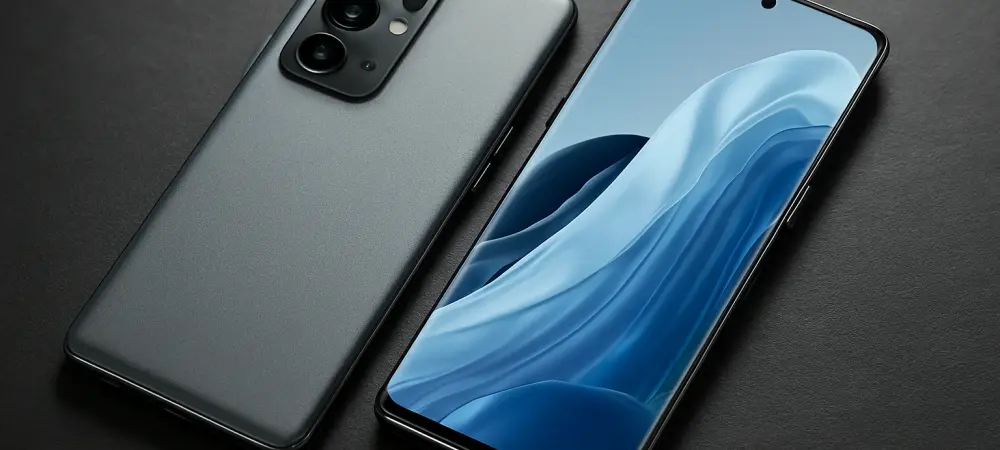
Imagine a world where a smartphone not only keeps up with a hectic day but redefines what’s possible in mobile technology with every charge and every snapshot, transforming how we interact with our devices. In today’s fast-paced, tech-driven landscape, flagship devices are no longer just tools; they are statements of innovation and design. Oppo, a leading Chinese smartphone manufacturer, has consistently pushed the boundaries of what a premium device can offer. This analysis dives into the evolving trends in flagship smartphones, spotlighting Oppo’s upcoming Find X9 Ultra, its groundbreaking upgrades in battery and camera technology, and how these advancements mirror broader shifts in the industry toward enhanced performance and user experience.
Unveiling the Oppo Find X9 UltrKey Specifications and Upgrades
Battery Breakthroughs and Performance Powerhouse
One of the most striking rumored features of the Find X9 Ultra is its massive 7,000mAh dual-cell battery, composed of two 3,425mAh cells. This marks a significant leap from the 6,100mAh battery found in its predecessor, the Find X8 Ultra, setting a new benchmark for endurance in flagship devices. Such capacity promises extended usage without the constant need for recharging, catering to power-hungry users who rely on their devices for gaming, streaming, and productivity.
Oppo’s approach to integrating this larger battery without compromising aesthetics is equally impressive. By stacking the cells, the company aims to maintain a slim profile, ensuring the device remains sleek and ergonomic. Additionally, support for 100W wired and 50W wireless charging ensures that even with a bigger battery, recharge times remain swift, aligning with consumer demand for convenience and efficiency.
Complementing this power is the anticipated Qualcomm Snapdragon 8 Elite 2 chipset, codenamed SM8850, which is expected to deliver top-tier performance for seamless multitasking and gaming. Paired with a rumored flat display design, the Find X9 Ultra appears poised to balance raw power with refined aesthetics, reflecting a trend in the industry toward devices that excel in both form and function.
Camera Prowess and Design Consistency
Photography enthusiasts have much to anticipate with the Find X9 Ultra’s rumored quad rear camera setup. This system reportedly includes two 200-megapixel sensors and two 50-megapixel dual-periscope lenses, offering adjustable focal lengths and a primary 1/1.3-inch sensor with 3x optical zoom. Such specifications suggest a leap forward in imaging versatility, catering to users seeking professional-grade photography from their smartphones.
When compared to the Find X8 Ultra’s Hasselblad-tuned quad-camera array—which features a 50-megapixel primary sensor, ultra-wide, 3x telephoto, periscope lenses, and a 32-megapixel front camera—the upcoming model’s upgrades are evident. The significant boost in megapixels and advanced zoom capabilities highlight Oppo’s focus on pushing mobile photography to new heights, a trend gaining traction across the premium segment.
Design-wise, the Find X9 Ultra is expected to build on the foundation set by its predecessor, which boasts a 6.82-inch AMOLED LTPO display with 2K resolution, a 120Hz refresh rate, and 1,600 nits of brightness. While specific display details for the new model remain under wraps, maintaining such high standards would align with consumer expectations for immersive visuals and smooth interactions in flagship devices.
Industry Insights: Oppo’s Drive for Premium Market Leadership
Insights from tipster Digital Chat Station and various leaked reports underline Oppo’s strategic emphasis on larger batteries and cutting-edge camera systems. This focus positions the Find X9 Ultra as a direct competitor in the high-end smartphone arena, where brands vie to offer the most advanced hardware. Oppo’s direction reflects a clear understanding of market demands, particularly among tech-savvy consumers who prioritize longevity and photographic excellence in their devices.
This strategy dovetails with the premium smartphone segment’s broader evolution, where the push for superior hardware often defines brand success. Oppo’s commitment to integrating substantial battery capacity and sophisticated imaging technology mirrors a growing consumer preference for devices that double as all-in-one solutions for work, entertainment, and creativity. Such alignment with market needs could strengthen Oppo’s standing against rivals in this competitive space.
However, challenges persist in achieving this balance. Experts note that incorporating larger batteries while preserving sleek designs requires innovative engineering, often increasing production complexity. Additionally, the flagship market’s intense competition means Oppo must continuously innovate to differentiate itself, a pressure that could influence pricing strategies and feature prioritization in upcoming releases.
Future Outlook: Smartphone Trends and Oppo’s Positioning
The potential impact of the Find X9 Ultra’s innovations, such as extended battery life and superior imaging, could reshape consumer expectations for flagship devices. If these features deliver as anticipated, they may set a new standard for what users demand in terms of endurance and camera performance, pushing other manufacturers to follow suit. Oppo’s advancements might catalyze a wave of similar upgrades across the industry, particularly in the premium tier.
Looking at wider industry trends, the move toward larger batteries and intricate camera systems in high-end smartphones continues to gain momentum. Oppo appears well-positioned to lead in these areas, leveraging its history of innovation to capture a larger share of the premium market. However, the company’s ability to maintain this trajectory will depend on how well it navigates competitive pressures and consumer feedback over the coming years.
Uncertainties also loom, particularly around pricing and global availability. For instance, the Find X8 Ultra skipped release in markets like India, and there’s no clarity yet on whether the Find X9 Ultra will follow a similar pattern. Production costs and supply chain dynamics could further complicate Oppo’s plans, potentially impacting how widely these cutting-edge features reach global audiences.
Oppo’s Vision for Flagship Excellence
Reflecting on Oppo’s journey, the anticipated Find X9 Ultra stands as a testament to the brand’s relentless pursuit of innovation, with its 7,000mAh battery, advanced quad-camera setup, and powerful Snapdragon 8 Elite 2 chipset marking significant strides forward. The commitment to balancing power with design underscores Oppo’s ambition to carve a prominent space in the premium smartphone arena. Moving ahead, stakeholders and consumers alike should closely monitor the official launch for deeper insights into pricing and availability, while considering how these advancements might inspire the next generation of mobile technology and redefine user experiences in the ever-evolving digital landscape.